Did Google Really Send Alerts Moments Before Venezuela Earthquakes Hit? Here’s How It Worked
Did Google Really Send Alerts Moments Before Venezuela Earthquakes Hit? Here’s How It Worked Published By, Last Updated: June 25, 2026, 15:45 IST Android phones
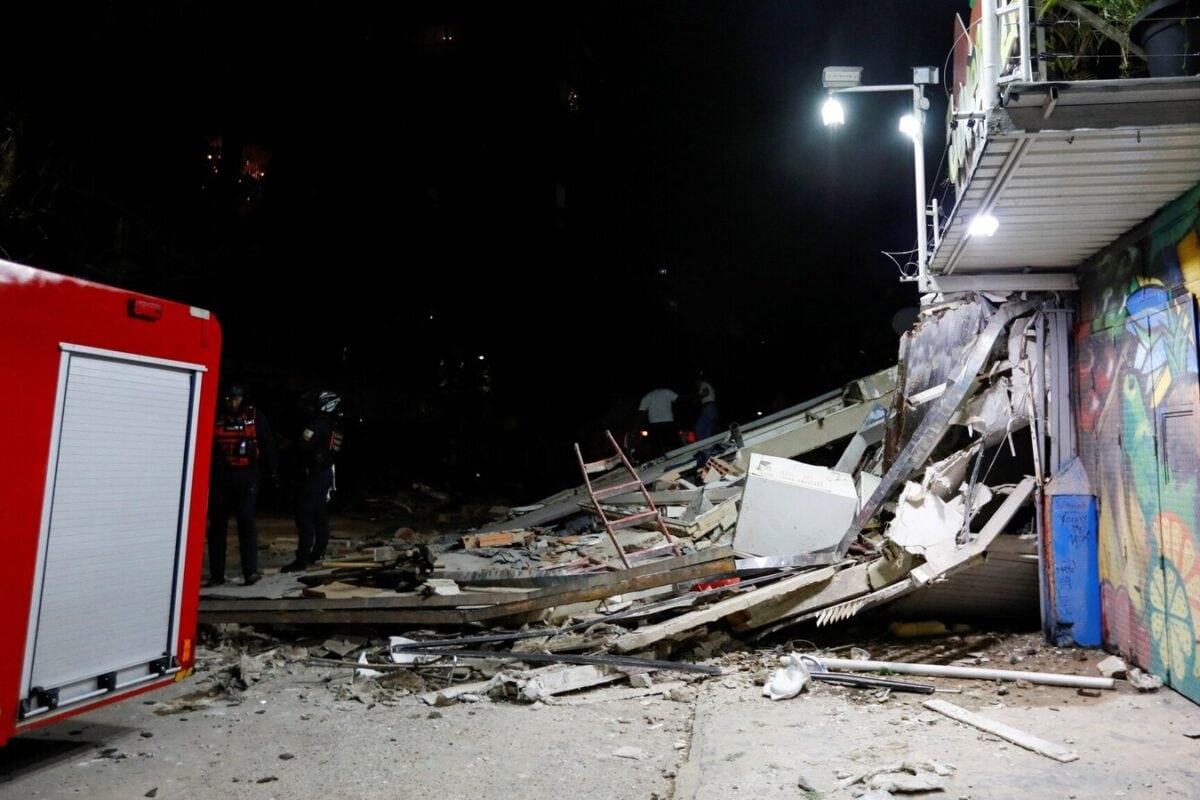
Did Google Really Send Alerts Moments Before Venezuela Earthquakes Hit? Here’s How It Worked Published By, Last Updated: June 25, 2026, 15:45 IST Android phones in Venezuela sent Google Android Earthquake Alerts seconds before quakes, detecting early seismic waves, not predicting quakes. Rescuers work at the site of damaged buildings in the aftermath of an earthquake, in Caracas, Venezuela. REUTERS/Fausto Torrealba As powerful earthquakes struck Venezuela, screenshots shared online showed Android phones warning users about incoming tremors seconds before the shaking was felt. The alerts sparked a familiar question: did Google really predict the earthquakes? The answer is no, Google did not predict the quakes days or hours in advance. But its Android Earthquake Alerts System can detect the earliest seismic waves and send warnings to people who may feel stronger shaking moments later. Reports and social-media posts indicated that some Android users in Venezuela received alerts shortly before the tremors reached their locations.
The alerts reportedly displayed an estimated magnitude and the distance of the quake from the user, giving people a brief window to seek safety. Also Read: Two Quakes In One Minute: What Caused Venezuela’s Deadly Earthquakes How Google’s Earthquake Alerts Work Google’s Android Earthquake Alerts System uses the accelerometers built into Android smartphones. These sensors, usually used to detect screen rotation and movement, can also identify the subtle vibrations caused by an earthquake. When many phones in the same area detect similar ground movement at roughly the same time, the system analyses the signals to determine whether an earthquake may be underway. It then estimates the location and likely intensity of the tremor before sending alerts to users in areas expected to experience shaking. The system works because the first seismic waves from an earthquake travel faster than the more destructive waves that follow. That difference can provide a few seconds of warning — and, in some cases, longer for people located farther from the epicentre.
Alerts Are Not Predictions Google’s system does not forecast earthquakes before they happen. Instead, it detects an earthquake after it has begun and sends an alert faster than the shaking can travel to people farther away. Google says Android devices may send earthquake alerts seconds before tremors hit. However, the company also notes that not every user will receive an alert, as the feature depends on local coverage, location settings, internet or data connectivity and the estimated intensity of shaking in a particular area. Earthquake alerts are generally enabled by default on supported Android devices, though users can manage the feature through their phone’s safety and emergency settings. Why A Few Seconds Matter Even a short warning can allow people to move away from windows, take cover under sturdy furniture, avoid elevators or stop vehicles and machinery. Google says its system had become active in 98 countries by the end of 2023 and had detected more than 18,000 earthquakes by 2025.
 The BriefWire