If Not A Passport, What Proves Indian Citizenship? 10 FAQs Answered After MEA's Clarification
If Not A Passport, What Proves Indian Citizenship? 10 FAQs Answered After MEA's Clarification Published By, Last Updated: June 25, 2026, 12:27 IST The Centre
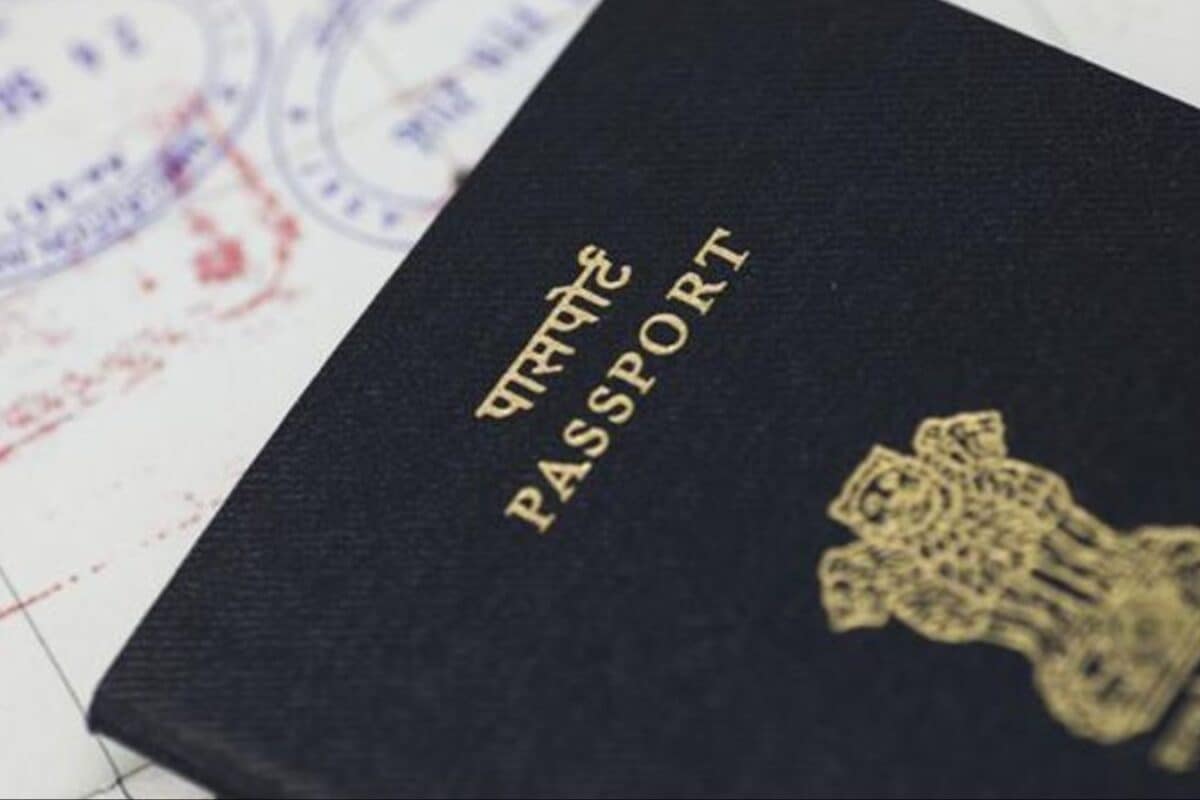
If Not A Passport, What Proves Indian Citizenship? 10 FAQs Answered After MEA's Clarification Published By, Last Updated: June 25, 2026, 12:27 IST The Centre says citizenship is determined under the Citizenship Act, not by a single document. Here's what records can help establish Indian citizenship. A photo of a passport (PTI) The Centre has clarified that an Indian passport is not, by itself, conclusive proof of citizenship, triggering a political debate after the Ministry of External Affairs (MEA) reiterated the legal position during a recent media briefing. The clarification prompted questions over what documents establish Indian citizenship and whether any single document can serve as definitive proof. The government has maintained that citizenship is governed by the Citizenship Act, 1955, while passports are issued under the Passports Act, 1967. It also pointed to Section 20 of the Passports Act, which allows the Centre, in certain public interest cases, to issue a passport or travel document to a non-citizen. The clarification also referred to court rulings that have held that possession of a passport alone does not establish citizenship. Here are some frequently asked questions explaining how Indian citizenship is determined. Q. How can Indian citizenship be acquired? Under the Citizenship Act, 1955, Indian citizenship can be acquired in five ways Citizenship by birth Citizenship by descent Citizenship by registration Citizenship by naturalisation Citizenship by incorporation of territory Q.
Is there a single document that proves Indian citizenship? No. India does not issue one universal document that conclusively proves citizenship for every citizen. Citizenship is determined based on the manner in which it was acquired and the supporting records available under the Citizenship Act. Q. What is direct proof of Indian citizenship? For individuals who acquire Indian citizenship through registration or naturalisation, the citizenship certificate issued by the Government of India serves as direct proof of citizenship. Q. Does every Indian citizen receive a citizenship certificate? No. Citizenship certificates are generally issued only to those who become Indian citizens through registration or naturalisation. Most Indians are citizens by birth or descent and therefore may never possess such a certificate. Q. How is citizenship established for citizens by birth or descent? For most Indians, citizenship is established through a combination of documents relating to their date and place of birth, parentage and nationality. Since there is no single document applicable to everyone, authorities may rely on multiple records. Q. Which documents can help establish Indian citizenship? Depending on individual circumstances, documents that may help establish citizenship include Birth certificate Citizenship certificates of parents Records establishing a parent’s Indian citizenship Indian passports of parents Other official records relating to birth, parentage and nationality Other contemporaneous government records may also support a claim, where applicable Q.
 The BriefWire