What Exactly Do You Need To Establish Citizenship? 5 Documents That Can Help
What Exactly Do You Need To Establish Citizenship? 5 Documents That Can Help Published By, Last Updated: June 25, 2026, 13:09 IST For individuals who
What Exactly Do You Need To Establish Citizenship? 5 Documents That Can Help Published By, Last Updated: June 25, 2026, 13:09 IST For individuals who acquired Indian citizenship through registration or naturalisation, a citizenship certificate issued by the government serves as direct proof of citizenship. Rapid Read Citizenship certificates are generally issued to people who acquire Indian citizenship through registration or naturalisation. A clarification by the Ministry of External Affairs (MEA) that a passport is “primarily a travel document" and not proof of citizenship has brought renewed attention to a longstanding question: what documents can actually establish Indian citizenship? The remarks were made during an event marking the 14th Passport Seva Divas, where a senior MEA official said that while a passport attests the nationality of Indians abroad, it should not be treated as a citizenship document. The clarification comes amid wider discussions around citizenship documentation and electoral roll verification. Documents That Can Help Establish Citizenship India does not issue a single, universally held document that serves as definitive proof of citizenship for all citizens.
Citizenship is established based on how it was acquired and the supporting records available under the Citizenship Act. Depending on the case, the following documents may help establish citizenship Birth certificates Citizenship certificates of parents Records showing a parent’s Indian citizenship Indian passports of parents Other records relating to birth, parentage and nationality For individuals who acquired Indian citizenship through registration or naturalisation, a citizenship certificate issued by the government serves as direct proof of citizenship. How Can Indian Citizenship Be Acquired? According to a PIB question-and-answer document on the Register of Citizens (NRC), Indian citizenship can be acquired in five ways under the Citizenship Act, 1955 Citizenship by Birth Citizenship by Descent Citizenship by Registration Citizenship by Naturalisation Citizenship by Incorporation of Territory What Did Govt Clarify About Passports? The government issued a clarification on Thursday, citing Section 20 of the Passports Act, 1967, which allows the Central Government to issue a passport or travel document to a person who is not an Indian citizen if it considers doing so necessary in the public interest.
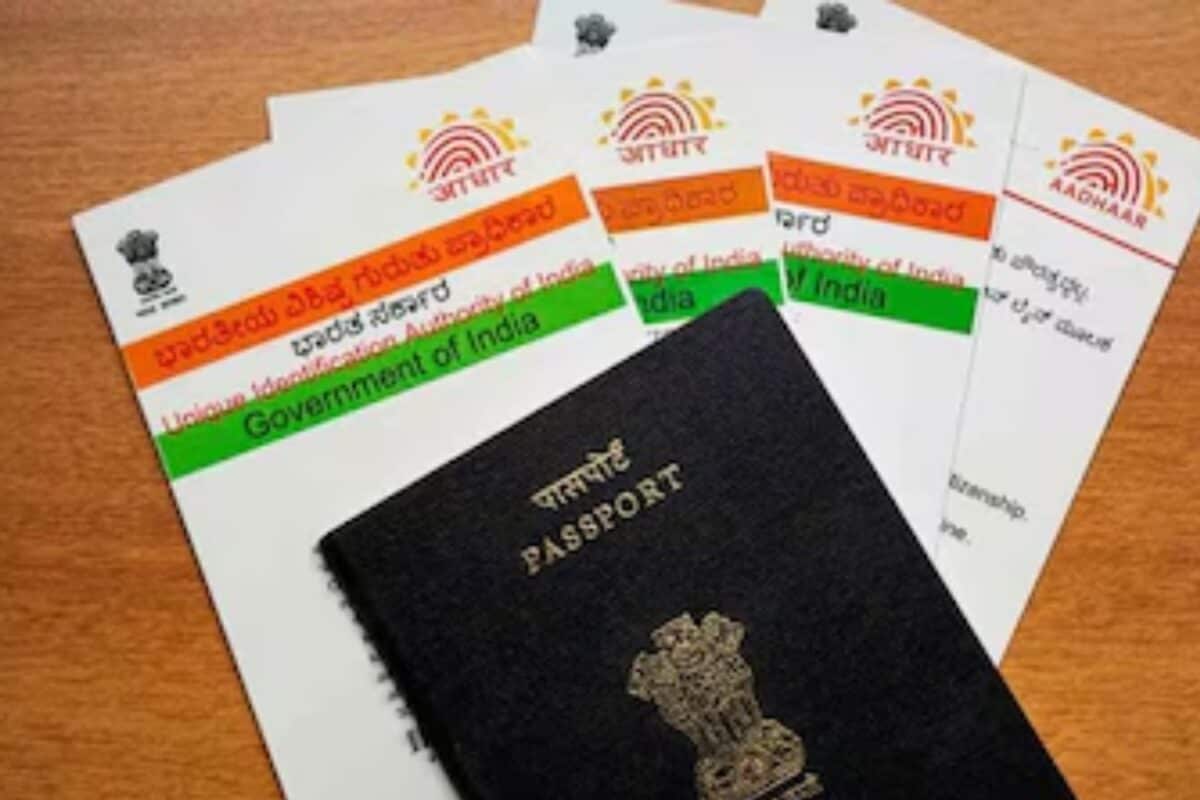
“Notwithstanding anything contained in the foregoing provisions relating to issue of a passport or travel document, the Central Government may issue, or cause to be issued, a passport or travel document to a person who is not a citizen of India if that Government believes that it is necessary so to do in the public interest," Section 20 states. The MEA said a passport is primarily a travel document that attests the holder’s nationality abroad. Citizenship, however, is determined under the Citizenship Act, while passports are issued under the Passports Act. Can Passports Be Used in Citizenship-Related Applications? Yes. The Ministry of Home Affairs’ citizenship guidelines refer to Indian passports and citizenship certificates as proof of Indian citizenship in applications involving spouses, children or parents of Indian citizens. What Did SC Say About Aadhaar? Aadhaar cards, voter IDs, and driving licences are primarily documents used for identity verification, residence or electoral registration. They are not considered conclusive proof of citizenship on their own. Last September, the Supreme Court declined requests from political parties seeking a direction to the Election Commission to treat Aadhaar as a standalone document for establishing citizenship during the special intensive revision of electoral rolls in Bihar.
 The BriefWire