IndiGo, SpiceJet shares rally up to 4% as crude oil prices fall below pre-war levels after 46% crash
Shares of aviation companies, including InterGlobe Aviation, the parent of IndiGo, and SpiceJet, rose up to 4% on Thursday after crude oil prices slipped below
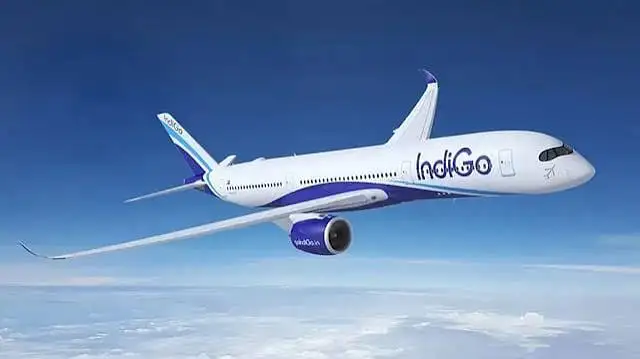
Shares of aviation companies, including InterGlobe Aviation, the parent of IndiGo, and SpiceJet, rose up to 4% on Thursday after crude oil prices slipped below levels seen before the Iran war began on February 28. With the latest decline, oil prices have tumbled 42% from the $126-a-barrel peak touched on April 30, when the closure of the Strait of Hormuz stoked fears of a major supply disruption.IndiGo shares surged 3.5% to their day’s high of Rs 5,386, while low-cost carrier SpiceJet rose 4% to Rs 12.78 in morning trade. Crude oil price on June 25Brent crude has slipped below $73 a barrel for the first time since February 28, 2026. It had hit a high of $126 per barrel on April 30 and is down 42% from those levels. Brent crude futures for August delivery fell 1.40 cents, or 2%, to $72.40 a barrel, while U.S. West Texas Intermediate crude declined 1.2 cents, or 1.6%, to $69 a barrel.
Brent had dropped more than $3 on Wednesday as worries over supply disruptions faded, while WTI settled nearly $3 lower. Also read: Oil Price Today (June 25): Crude oil erases Iran war gains as Hormuz traffic boosts supply. What are experts saying?U.S. Energy Secretary Chris Wright said on Wednesday that oil flows through the Strait of Hormuz had almost returned to levels seen before the Iran war began. Speaking at a forum, he said at least 20 million barrels had passed through the strait in the previous 24 hours. However, he noted that a full return to normal operations could take a few weeks as demining work in the area continues.With an interim peace deal now in place and the Strait of Hormuz expected to reopen, investors will be watching for signs of normalisation in global travel and aviation.
A reduction in geopolitical risks could help ease fuel costs, restore flight schedules and support travel demand, while the pace of recovery will depend on how quickly shipping routes return to normal.Rising tensions in the region weighed on travel and tourism stocks, as flight disruptions, rerouting and cancellations pushed up operating costs for airlines, particularly fuel and crew expenses. The uncertainty also hurt travel sentiment, leading to weaker demand and a rise in booking cancellations.The impact of the conflict was evident in airline operations. At the start of the war, IndiGo, India's largest carrier by market share, suspended all flights to and from the Middle East. Earlier this month, the airline also cancelled services to and from Manchester.In addition, IndiGo announced the suspension of flights to Langkawi, Krabi, Ho Chi Minh City, Hong Kong and Shanghai from July 1, 2026, while services to Siem Reap will be paused from July 3.
 The BriefWire