The ICE raids are over, but some Minnesotans say they still live in fear
Aliah, a 20-year-old student in Minnesota, expected her new American life to be all about studying and work after fleeing Afghanistan in 2021 and being
Aliah, a 20-year-old student in Minnesota, expected her new American life to be all about studying and work after fleeing Afghanistan in 2021 and being granted asylum in the US. But earlier this year, when federal immigration enforcement agents flooded the Minneapolis area during Operation Metro Surge, she faced a much different reality. Months after the operation's official end, its effects still linger.
"We're still a little scared," Aliah, who has a green card, told the BBC. Like several people in this report, she is not sharing her real or full name over safety concerns, but her identity has been verified. Her family is praying the immigration operation in Minnesota doesn't ramp up again. "We don't have anywhere to go if we go back to my country." Operation Metro Surge began last December as part of President Donald Trump's crackdown on undocumented immigrants, especially those that commit crimes.
He linked the operation to a sprawling federal fraud investigation which found problems in the state's childcare industry, which the administration said involved mostly defendants from the state's large Somali community. But public outcry grew after federal agents shot and killed two US citizens who were protesting against the operation - Renee Good and Alex Pretti, both 37 - in separate incidents in January.
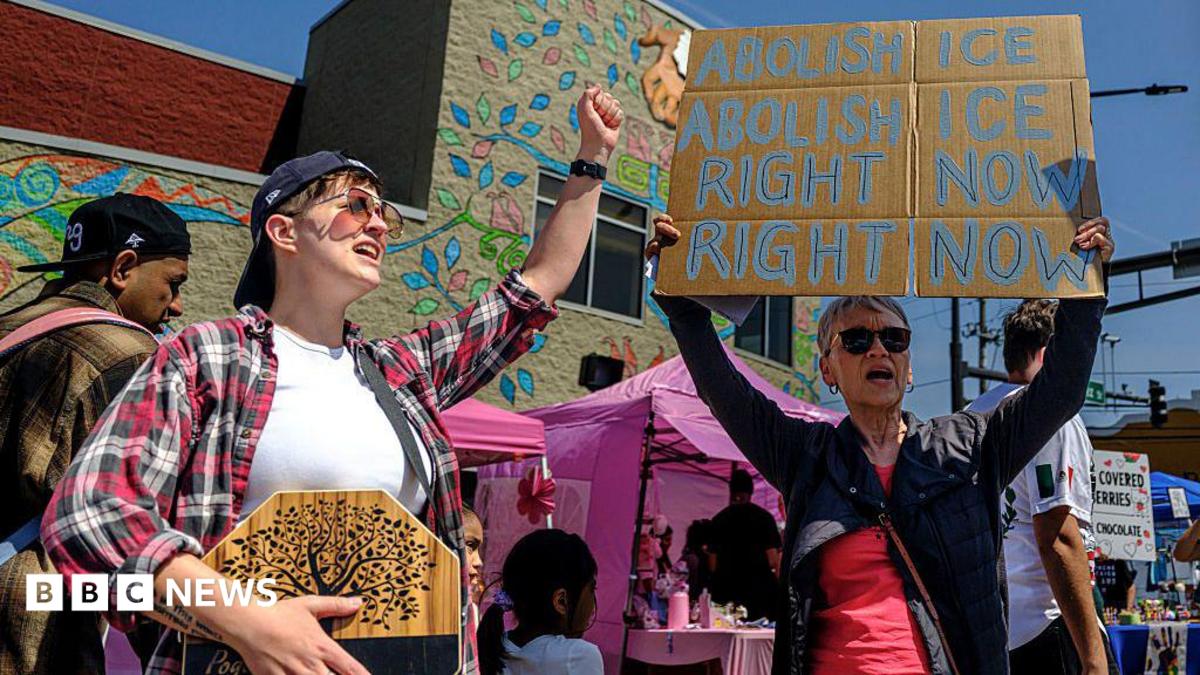
By the end of February, amid a growing backlash, including from some Republicans, the administration announced it was pulling hundreds of agents out of the city.
 The BriefWire