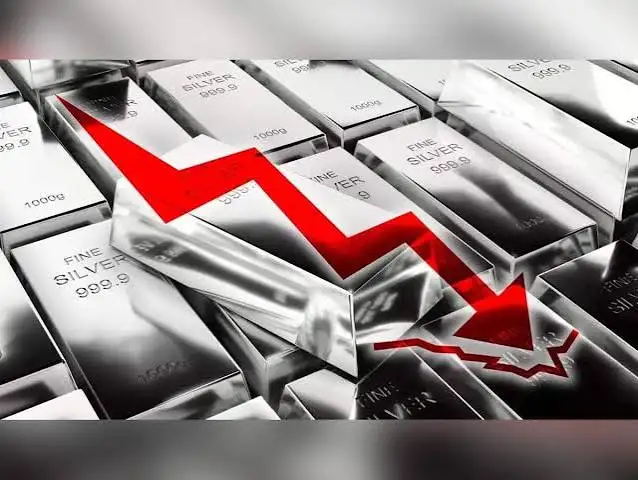
Explained: Why silver prices have crashed 14% this week to hit a 7-month low
It's been a brutal week for silver as the white metal has plunged as much as 14%, extending losses for a third straight session on
It's been a brutal week for silver as the white metal has plunged as much as 14%, extending losses for a third straight session on Thursday, just a day after tumbling to a seven-month low.Spot silver was down more than 2% at $56.35 on Thursday. A day earlier, it had slumped 9.1% to $56.41, its lowest level since November 2025, before recovering to close at $57.71.Silver is now trading at less than half of its all-time high of $121 an ounce touched in January. The sharp decline comes as precious metals have come under pressure during the Iran-Israel conflict and amid growing expectations that the US Federal Reserve could raise interest rates later this year.What's behind the sharp selloff in silver prices?Fed rate hike worries – The biggest trigger behind silver's slide has been growing expectations of higher US interest rates.
Traders have ramped up bets on Federal Reserve rate hikes this year after the US central bank adopted a hawkish tone at its latest policy meeting, while concerns over inflationary pressures linked to the Iran-Israel conflict have continued to linger.Investors are also awaiting US Personal Consumption Expenditures (PCE) data, the Fed's preferred inflation gauge, due on Thursday, for further clues on the monetary policy outlook.Risk premium gone – Silver prices have remained under pressure as tensions between the United States and Iran eased following a 60-day agreement aimed at addressing key issues, including Tehran's nuclear programme. The deal helped ease fears of a broader Middle East conflict, reducing the safe-haven demand that had supported precious metals in recent weeks.While geopolitical uncertainty would typically support silver, analysts say the metal is currently being driven more by macroeconomic factors, particularly rising bond yields and expectations surrounding US monetary policy.Rising bond yields – An increase in yields has added to the pressure on silver prices.
Unlike bonds, silver does not generate any interest or income. As yields on government securities rise, investors can earn better returns from fixed-income assets, making non-yielding assets such as silver relatively less attractive.Higher yields also tend to strengthen the US dollar, which can further weigh on precious metals by making them more expensive for buyers using other currencies. As a result, investors often shift funds from gold and silver into interest-bearing assets, leading to weaker demand and lower prices for precious metals, especially during periods of sustained increases in yields.Historic rally cools – The sharp correction follows a historic rally in precious metals over the past several months. Gold and silver hit record highs in late January, with gold climbing to about $2,200 an ounce and silver touching about $121.The rally was driven by a combination of factors, including interest rate cuts, President Donald Trump's tariffs, international tensions and rising demand for metals from technology-related industries.
 The BriefWire