How CoinEx Became Iran's Crypto Gateway For Illicit Cash Amid US Sanctions
How CoinEx Became Iran's Crypto Gateway For Illicit Cash Amid US Sanctions Published By, Last Updated: June 25, 2026, 08:59 IST Blockchain data cited by
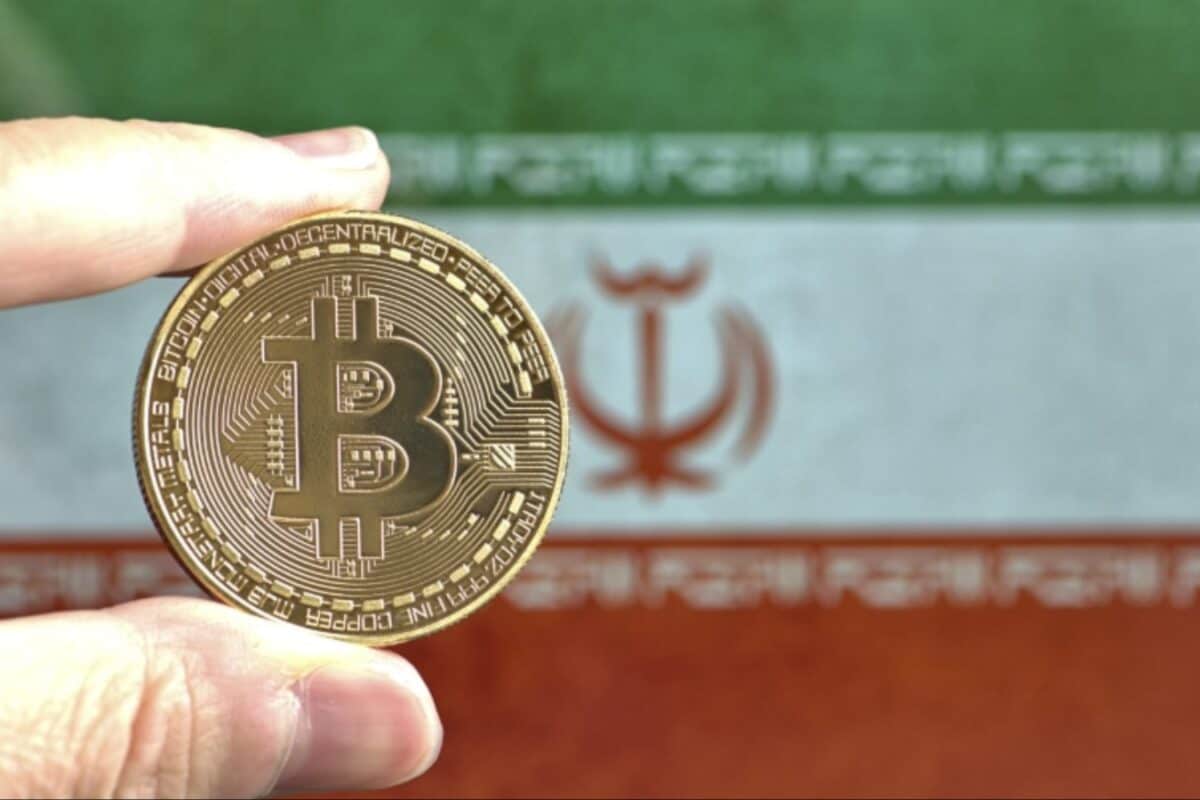
How CoinEx Became Iran's Crypto Gateway For Illicit Cash Amid US Sanctions Published By, Last Updated: June 25, 2026, 08:59 IST Blockchain data cited by a report suggests billions of dollars linked to Iranian crypto activity flowed through CoinEx, prompting the exchange to tighten access for Iranian users. A Bitcoin coin in front of the Iranian flag (Photo: AP) A cryptocurrency exchange that has quietly expanded over the past eight years has emerged as a critical channel linking Iran’s crypto ecosystem to global digital asset markets, according to a Wall Street Journal report. The report said blockchain investigators recently uncovered a chain of transactions connected to two digital wallets controlled by the Central Bank of Iran. By tracing the movement of funds, they found the assets were linked to the $1.5 billion stolen by North Korean hackers from crypto exchange Bybit. After reaching Iranian-controlled wallets, the cryptocurrency reportedly moved through a web of transactions, with one of the destinations being CoinEx, an exchange that investigators say has become an important gateway for Iran’s cryptocurrency operations. According to blockchain intelligence firm TRM Labs, cited by the report, wallets with identifiable links to Iran have transferred more than $3.84 billion through CoinEx since 2019. The report said wallets hosted by CoinEx received cryptocurrency that ultimately reached Iran’s Central Bank following the Bybit hack. The exchange also conducted transactions with accounts that US officials have attributed to Iran’s Islamic Revolutionary Guard Corps (IRGC), according to TRM’s analysis.
CoinEx was founded in Hong Kong in 2017 by former Tencent engineer Haipo Yang and is now headquartered in Seychelles. In text messages to The Wall Street Journal, Yang acknowledged that the platform had been “widely used by Iranians" but maintained that CoinEx “doesn’t have a relationship with the Iranian government." Yang said the exchange operates a transaction-monitoring system, screens users for high-risk activity, and has recently begun blocking new registrations from Iranian IP addresses. A CoinEx spokesperson also told the newspaper the company would conduct an internal review of transactions connected to the Bybit hack. SANCTIONS POSE A CHALLENGE The report mentioned that CoinEx’s role underscores the challenges faced by the United States in enforcing sanctions against Iran. While Tehran has publicly embraced cryptocurrency, the digital asset ecosystem offers platforms operating largely outside Washington’s jurisdiction, enabling users to move funds globally. CoinEx itself agreed to exit the US market after being fined by New York’s attorney general in 2023. The US is currently negotiating a peace agreement with Iran that could include significant sanctions relief, despite previously threatening additional sanctions against foreign financial institutions assisting Iranian activities. US authorities have also targeted other cryptocurrency exchanges. In 2023, Binance was penalised in part for allowing Iranian customers to use its platform. According to blockchain data cited by the Journal, Binance had long been the largest foreign counterparty to Iran’s leading domestic crypto exchange, Nobitex. However, after Binance strengthened its sanctions compliance beginning in 2022, CoinEx replaced it as Nobitex’s largest foreign counterparty by 2024.
 The BriefWire