Obama, Trump To Biden: How Iran Got To Nuclear Threshold On The Watch Of 3 US Presidents
Obama, Trump To Biden: How Iran Got To Nuclear Threshold On The Watch Of 3 US Presidents Written By, Last Updated: May 20, 2026, 12:18
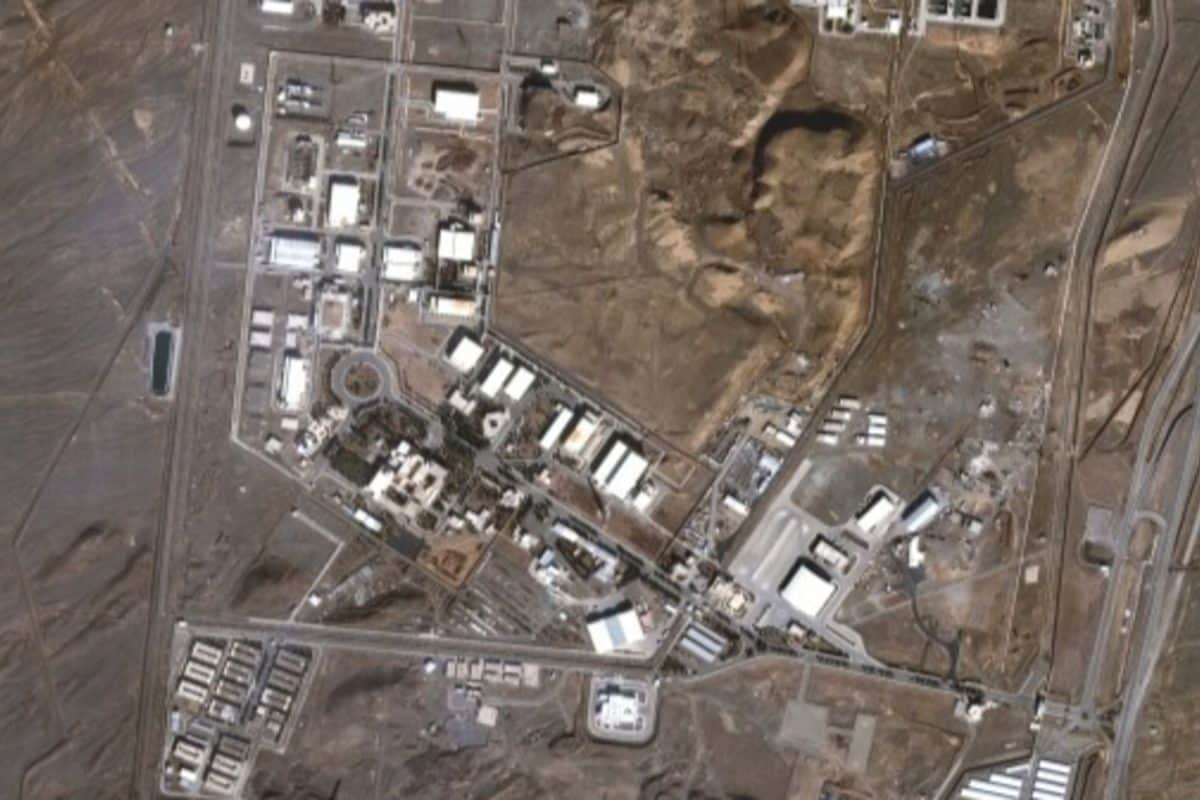
Obama, Trump To Biden: How Iran Got To Nuclear Threshold On The Watch Of 3 US Presidents Written By, Last Updated: May 20, 2026, 12:18 IST How much uranium does Iran have? How did Tehran build nuclear capacity through Obama, Trump, Biden administrations in the US? What is the status amid US-Iran war, News18 explains Rapid Read Iran's Natanz nuclear facility. (AP File) Iran reached the nuclear threshold status — accumulating enough near-weapons-grade uranium to rapidly produce nuclear weapons — through a combination of Iranian defiance and shifting American diplomatic strategies across the Obama, Trump, and Biden administrations. Despite a devastating US-Israeli military strike on Iran’s primary underground enrichment complexes, Tehran has retained a resilient nuclear framework, maintaining an inventory of nearly 1,000 pounds. News18 explains. HOW MUCH URANIUM DOES IRAN HAVE? Iran possesses a total enriched uranium stockpile of approximately 10,000 kilograms (11 tons). This stockpile includes various levels of purity, most notably 440.9 kilograms of highly enriched uranium at 60% purity, which is a short technical step away from the 90% weapons-grade threshold. The International Atomic Energy Agency (IAEA) tracking and military intelligence reports outline Iran’s stockpile across specific enrichment thresholds 60% Highly Enriched Uranium (HEU): 440.9 kg. This tier causes the greatest international concern. If further processed to a 90% weapons-grade level, it is theoretically sufficient to produce 9 to 12 nuclear warheads. 20% Enriched Uranium: Approximately 1,000 kg. This material is often utilized for research reactors but acts as a rapid stepping stone toward high enrichment. 3.6% to 5% Low-Enriched Uranium (LEU): Up to 8,500 kg. This level is typically designated for peaceful civilian energy generation. Natural Reserves: Beyond processed stockpiles, Iran holds an estimated 7,500 tonnes of raw uranium reserves in the ground and extracts roughly 40 tons of raw ore annually from domestic mines like Sagand, according to Al Jazeera and other reports.
WHAT IS THE STATUS OF THE STOCKPILE AMID THE WAR? Following military actions, the exact physical condition and location of these stockpiles remain highly complex. Nearly half of the 60%-enriched material is believed to be contained in underground tunnel complexes at the Isfahan nuclear facility, with the remainder distributed between Natanz and Fordow. These key enrichment facilities suffered heavy damage during US-Israeli airstrikes. While the material is heavily secured in robust steel canisters as uranium hexafluoride gas, it is currently buried under varying degrees of rubble. Iran has floated offers to “down-blend" or dilute its 60% highly enriched material back to a lower 20% tier as a goodwill gesture during ceasefire and nuclear negotiations. HOW DID EACH ADMINISTRATION CONTRIBUTE TO THE THRESHOLD? 1. The Obama Administration (2009–2017): Before 2015, international sanctions and covert operations failed to halt Iran’s expanding nuclear footprint. Recognising that dismantling Iran’s infrastructure entirely was politically unfeasible, the Obama White House altered U.S. policy by formally conceding to a limited, monitored domestic civil enrichment program. This concession yielded the Joint Comprehensive Plan of Action (JCPOA). Under the deal, Iran capped its uranium enrichment at 3.67% and surrendered 98% of its stockpile. Critics, however, fiercely opposed the deal’s “sunset clauses," which allowed critical restrictions to expire after 10 to 15 years, meaning it delayed rather than permanently eliminated Iran’s path to a bomb, according to an assessment of the Wall Street Journal (WSJ) and other reports. 2. The Trump Administration (2017–2021; 2025–Present): In May 2018, President Trump withdrew the US from the JCPOA, labeling it “one-sided". The administration reimposed crushing economic sanctions designed to force Tehran to negotiate a more restrictive, permanent deal.
The strategy backfired logistically. Free from treaty limitations, Iran systematically violated the agreement. By late 2019, Tehran reactivated its deep underground facility at Fordow and began deploying advanced, high-speed centrifuges. Trump’s subsequent return to office saw the regional crisis peak with U.S.-led blockades and military actions. However, the Pentagon noted that while physical facilities can be struck, Iran’s gained technical knowledge cannot be bombed away. 3. The Biden Administration (2021–2025): Upon entering office, the Biden administration sought to restore the 2015 accord, but negotiations immediately stalled over sequencing. Biden demanded that Iran return to strict compliance before Washington lifted sanctions, while Iran demanded immediate economic relief first. During this multi-year diplomatic impasse, Iran crossed critical red lines. In April 2021, Tehran began enriching uranium to 60% purity—a hair’s breadth away from the 90% weapons-grade mark. Concurrently, Iran deactivated several IAEA monitoring cameras, severely blinding international intelligence to its domestic centrifuge manufacturing output. WHAT IS TRUMP’S CURRENT STANCE? Decades of shifting policies have ultimately transformed Iran into a fast-moving nuclear sprinter. U.S. intelligence officials confirm that Iran possesses the foundational engineering expertise to construct a nuclear weapon in less than six months if it chooses to do so. While recent Wall Street Journal reports indicate that Trump has softened his stance—shifting from demanding a total enrichment ban to reviewing a 20-year enrichment suspension—the fundamental challenge remains unresolved. Tehran continues to reject the dismantling of its facilities, utilising its geopolitical leverage to negotiate from a position of absolute nuclear threshold strength. KEY FAQs What does “nuclear threshold" mean? A “nuclear threshold state" is a country that may not officially possess a nuclear bomb but has enough enriched uranium, technology, and scientific capability to build one relatively quickly if it chooses.
Iran is widely considered to be at that stage today. How did this happen under Obama, Trump, and Biden? Under Barack Obama, the 2015 Iran nuclear deal (JCPOA) limited Iran’s enrichment and increased inspections, but critics argued the deal’s “sunset clauses" only delayed the problem. Under Donald Trump, the U.S. withdrew from the deal in 2018 and imposed “maximum pressure" sanctions. Iran then restarted and accelerated uranium enrichment. Under Joe Biden, efforts to revive the deal stalled, while Iran expanded enrichment to near weapons-grade levels and built larger uranium stockpiles. Did the U.S. originally help Iran’s nuclear program? Yes. In the 1950s–1970s, the U.S. supported Iran’s civilian nuclear development under President through the “Atoms for Peace" program. The Shah’s government received reactors, training, and nuclear technology before the 1979 Islamic Revolution changed U.S.-Iran relations. With agency inputs News18 Newsletter Handpicked stories, in your inbox A newsletter with the best of our journalism submit First Published: May 20, 2026, 12:14 IST News explainers Obama, Trump To Biden: How Iran Got To Nuclear Threshold On The Watch Of 3 US Presidents Disclaimer: Comments reflect users’ views, not News18’s. Please keep discussions respectful and constructive. Abusive, defamatory, or illegal comments will be removed. News18 may disable any comment at its discretion. By posting, you agree to our Terms of Use and Privacy Policy Loading comments...
 The BriefWire