Why your dandruff keeps coming back, and what your scalp may be trying to tell you
Let me guess, you have tried everything. Switched shampoos, tried home remedies, oiled your hair, washed it more often, washed it less often and yet
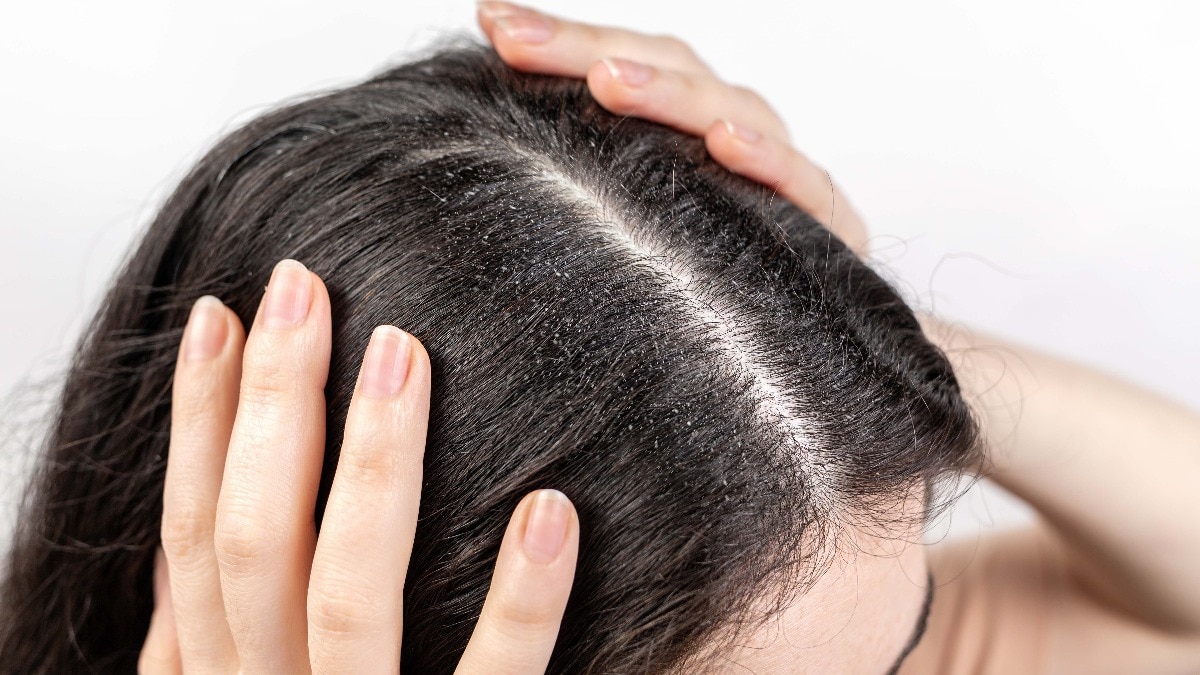
Let me guess, you have tried everything. Switched shampoos, tried home remedies, oiled your hair, washed it more often, washed it less often and yet, your dandruff looks worse than ever. For many people, dandruff isn’t that big of a deal, a few white flakes on the shoulders, an occasional itchy scalp, and nothing more. But dermatologists say the recurring nature of dandruff is often a sign that we misunderstand what is actually happening on our scalp. Read Full Story The problem isn't necessarily poor hygiene. Nor is it always dryness. Dandruff is a scalp condition that can be driven by a complex interaction between oil production, microorganisms and the scalp's natural barrier. And at the centre of this problem is a tiny organism most people have never heard of: Malassezia. Malassezia: The microbe living on your scalp Before you panic, Malassezia isn't an infection you caught from somewhere. It is a naturally occurring yeast that lives on almost everyone's scalp. Under normal circumstances, it coexists peacefully with the skin and causes no problems. Dandruff is one of the most common scalp concerns, yet it is often misunderstood. At the centre of this process is a harmless yeast-like microorganism called Malassezia globosa that naturally exists on everyone's scalp. Problems begin when the scalp environment changes. Heat, humidity, excess oil production, sweat, pollution, stress and even product build-up can create conditions that allow Malassezia to multiply rapidly. As the yeast feeds on sebum, the natural oil produced by the scalp, it breaks down these oils into by-products that can irritate the scalp. Heat, sweat, humidity together can lead to an itchy scalp (Pexels image: For representational purposes only) This irritation triggers inflammation and speeds up the turnover of skin cells. Instead of shedding invisibly, these cells accumulate and become visible as flakes.
Itchy scalp is often the first warning sign of the scalp’s natural balance being disrupted. In other words, dandruff isn't simply about dry skin. It is often a reflection of microbial imbalance and scalp irritation. Why dandruff keeps coming back One of the biggest reasons dandruff becomes a recurring problem is that many people focus on removing flakes rather than addressing what's causing them. A shampoo may temporarily wash away visible flakes, making the scalp look cleaner for a few days. But if the underlying imbalance remains unchanged, the flakes often return. Not all anti-dandruff ingredients work the same way for all scalps. While some may help in removing visible flakes, others aim to reduce oiliness or simply cleanse the scalp. These ingredients tend to provide only temporary relief as they do not always control the underlying fungal activity effectively. This explains why dandruff often behaves like a chronic condition rather than a one-time problem. It tends to flare up, settle down and then return, especially when scalp conditions become favourable for Malassezia growth. Oily dandruff vs dry dandruff Most people assume dandruff is one condition with one appearance. But that's not entirely true. Broadly speaking, dandruff tends to appear and constantly reoccur in two common forms: oily dandruff and dry dandruff. 1. Oily dandruff Oily dandruff is often associated with excess sebum production. The flakes tend to be yellowish or off-white and may appear sticky or clumped together. Rather than falling onto clothing, they often stick to the scalp or get trapped under fingernails when scratching. People with oily dandruff frequently notice that their scalp feels greasy within a day or two of washing. Itching is common and mild redness may also occur. Excess oil secreted in scalp creates an ideal environment for Malassezia to thrive. Humid weather, sweating, helmet use, heavy styling products and infrequent scalp cleansing can further worsen the condition.
 The BriefWire