European heat wave is not normal summer weather
Hot summers aren't unusual in some European countries, but deadly record-breaking heat that's causing power outages, forcing school closures and sending people scrambling for relief
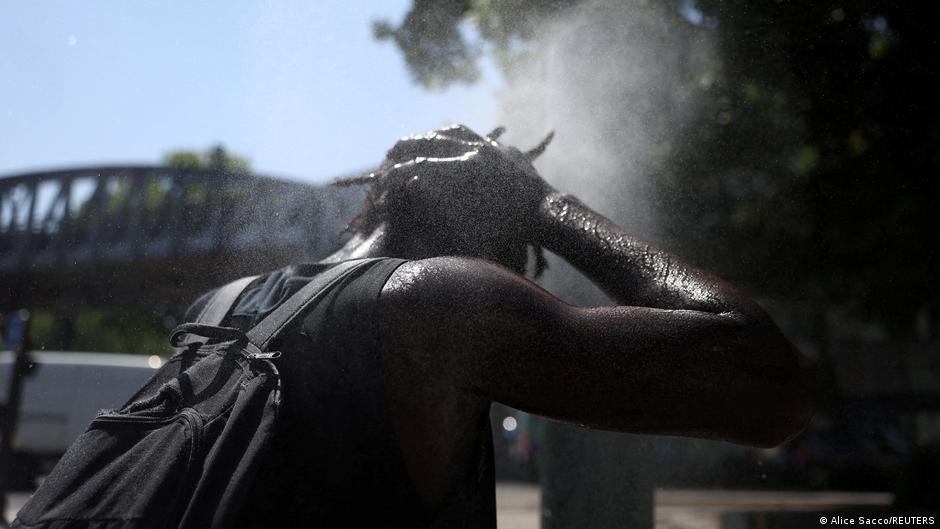
Hot summers aren't unusual in some European countries, but deadly record-breaking heat that's causing power outages, forcing school closures and sending people scrambling for relief, is "exceptional," a new attribution study has found. Without climate change, parts of Europe would still likely be experiencing a heat wave due to a "typical" weather pattern over the continent. But an analysis by ClimaMeter, a scientific platform for analyzing extreme weather, says global temperature rise linked to the burning of oil, coal and gas, has made it 2 to 4 degrees Celsius (3.6 to 7.2 Fahrenheit) hotter, turning it into an "extraordinary" event. The current heat wave follows a May that saw unprecedented temperatures for spring in Europe. "This is a clear fingerprint of human-induced climate change," said Marco Chericoni of the Euro-Mediterranean Center on Climate Change in Italy. "It is making European heat waves more intense and more dangerous." Temperatures have either cracked or are set to breach 40 degrees Celsius in many parts of Europe Image: Alain Pitton/NurPhoto/picture alliance Extreme heat is often underestimated but is the deadliest form of extreme weather. It kills around half a million people yearly. Experts say the figure is likely much higher because hotter conditions can aggravate pre-existing health issues, like heart disease, but are not recorded as a cause of death. And as temperatures hit 40 degrees Celsius (104 Fahrenheit) in countries like France and Spain, the International Federation of Red Cross and Red Crescent Societies (IFRC) is warning of "serious health risks" in the coming days.
High temperatures are particularly dangerous for the elderly, children, pregnant women, those who are homeless or have a chronic illness. "This highlights the human cost of human-induced climate change, and the urgent need to develop fair strategies for responding to life-threatening heat events whilst reducing our emissions," said Emma Holmberg, who researches the impact of extreme temperatures on health at the University of Bern, Switzerland. The link between extreme heat and greenhouse gas emissions Climate change, which gets worse as humans burn more fossil fuels, is making heat waves around the world both more probable and intense. A 2025 study in the scientific journal Nature, found 180 carbon majors, including fossil fuel and cement producers, "substantially contributed" to 213 historical heat waves reported between 2000 and 2023 Some 41 regions worldwide, covering almost a third of the Earth's land surface, have also now experienced heat waves previously considered "statistically implausible" since 1959, according to one 2023 study. Such heat waves are defined as happening less than once in 10,000 years. At 2C of warming above pre-industrial levels, which describes the climate before large-scale fossil fuel use, historical maximum temperatures of 51C would happen 50 times more often than at 1C warming. Current climate policies have the world on track for a temperature rise of around 2.8 degrees Celsius. How to protect Delhi's informal workers from extreme heat To view this video please enable JavaScript, and consider upgrading to a web browser that supports HTML5 video Those heat waves and associated drought will increase water scarcity and make it harder to produce food.
 The BriefWire