Blood ties and opportunity: Why more World Cup players than ever are not representing their birth nations
For 25 minutes on 13 June, Morocco made World Cup history during their 1-1 draw with Brazil - not one of their players on the
For 25 minutes on 13 June, Morocco made World Cup history during their 1-1 draw with Brazil - not one of their players on the pitch had been born in Morocco. The 2026 Fifa Men's World Cup has by far the highest proportion ever of players representing countries they were not born in - almost a quarter of all the participating players.
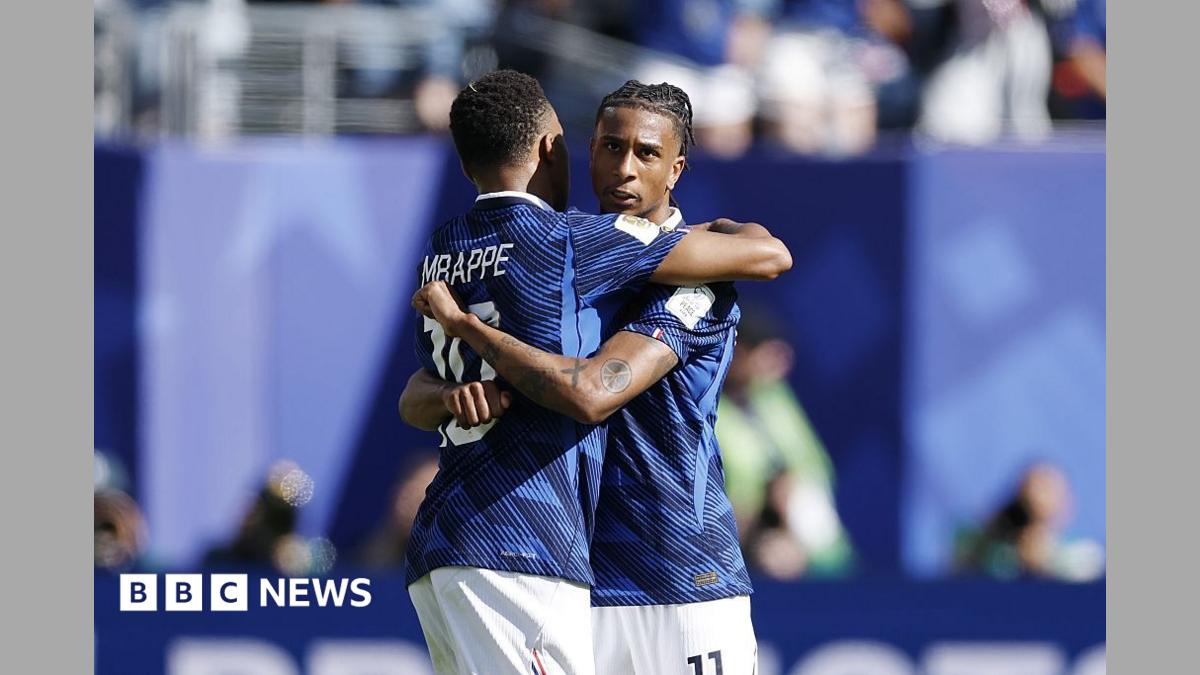
Already the tournament has seen a player score against his birth nation, when France-born Ibrahim Mbaye netted for Senegal in their 3-1 defeat to Les Bleus on 16 June. This follows the awkward moment in 2022, when Switzerland attacker Breel Embolo, born in Cameroon, became the first player in the tournament's more than 90-year history to score against his own birth nation.
Instead of leaping in triumph and delight, he briefly lifted his hands in an almost apologetic gesture. "I knew that if I scored I wouldn't
celebrate the goal, out of respect. That didn't mean to say I wasn't happy about it, though," Embolo told reporters at the time.
 The BriefWire