Blunder To Defence: After Tehran’s Rebuke, Pakistan PM Sharif Backtracks On ‘US-Iran Ballistic Missile Talks’
Blunder To Defence: After Tehran’s Rebuke, Pakistan PM Sharif Backtracks On ‘US-Iran Ballistic Missile Talks’ Reported By, Last Updated: June 24, 2026, 15:06 IST The
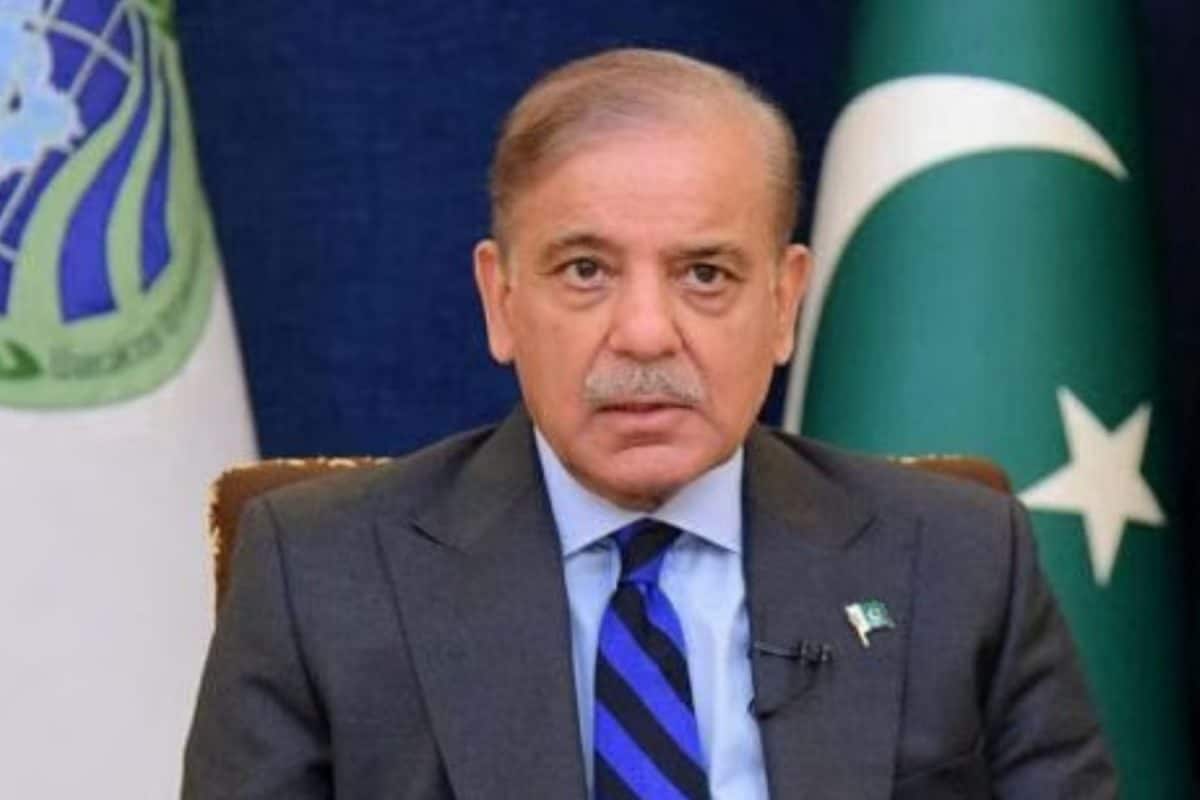
Blunder To Defence: After Tehran’s Rebuke, Pakistan PM Sharif Backtracks On ‘US-Iran Ballistic Missile Talks’ Reported By, Last Updated: June 24, 2026, 15:06 IST The shift has drawn attention as it appears to contrast not only with Sharif's earlier parliamentary remarks but also with the position articulated by US President Donald Trump Rapid Read Pakistani Prime Minister Shehbaz Sharif. (File Image) Pakistan Prime Minister Shehbaz Sharif appeared to walk back his earlier comments on Iran’s ballistic missile programme after facing a public rebuttal from Iranian officials, raising questions over Islamabad’s messaging on the sensitive issue. Earlier, CNN-News18 had reported how members of Iran’s negotiating team publicly challenged Sharif’s remarks regarding alleged discussions between Tehran and Washington on Iran’s ballistic missile programme. The criticism came even as Iranian President Masoud Pezeshkian was on an official visit to Islamabad.
The blunder During a speech in Pakistan’s Parliament, Sharif had suggested that the United States and Iran were engaged in discussions concerning Tehran’s missile programme. The statement triggered a swift response from Iranian negotiators, who described the claim as inaccurate and asserted that no such issue was part of the current negotiations. Iranian officials publicly rejected the Pakistani Prime Minister’s remarks, with members of Tehran’s negotiating team stating that the comments reflected a lack of information about the ongoing diplomatic process. Iranian representatives further stressed that the country’s ballistic missile programme remains a sovereign defence matter and is not on the negotiating table. The defence However, in a subsequent joint press conference, Sharif appeared to adopt a different position. Defending Iran’s missile capabilities, he questioned why Tehran’s ballistic missile arsenal was being singled out for criticism and argued that turning the issue into a controversy could complicate efforts aimed at reducing regional tensions.
The shift has drawn attention as it appears to contrast not only with Sharif’s earlier parliamentary remarks but also with the position articulated by US President Donald Trump, who has repeatedly raised concerns about Iran’s missile programme. Diplomatic stir The episode has highlighted the diplomatic sensitivities surrounding the Iran-US dialogue and placed Islamabad in an uncomfortable position between its close ties with Tehran and its broader relationship with Washington. Sharif’s subsequent comments defending Iran’s missile capabilities are now being viewed by observers as an attempt to correct the record and ease tensions following Tehran’s unusually direct public response. The incident underscores the challenges facing regional leaders navigating the complex diplomatic landscape surrounding Iran, particularly at a time when discussions over sanctions, security, and regional stability remain highly sensitive.
 The BriefWire