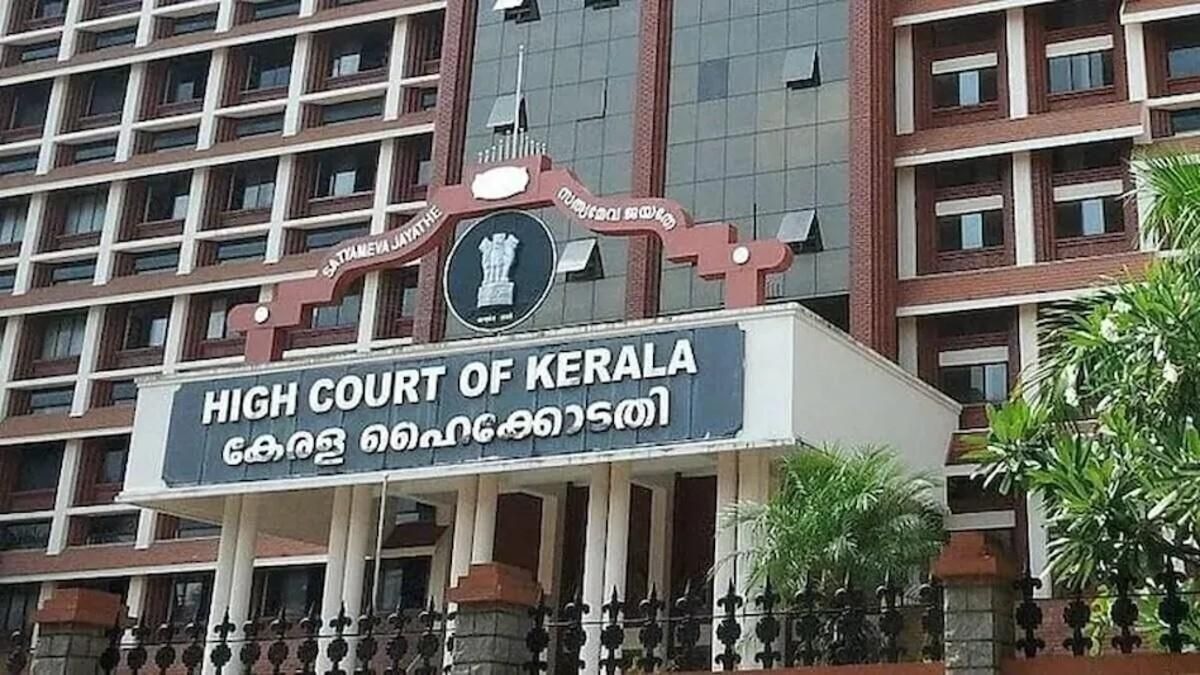
Can't invoke deities, Bharat Mata in oath: Kerala High Court
The Kerala High Court on Wednesday held that elected representatives in local bodies must take their oath strictly in the form laid down by law
The Kerala High Court on Wednesday held that elected representatives in local bodies must take their oath strictly in the form laid down by law, and declared invalid the oaths taken by several BJP councillors in the Thiruvananthapuram Corporation after they used names other than "God" or expressions beyond a solemn affirmation. In a judgment delivered by Justice PV Kunhikrishnan, the court said the Kerala Municipality Act and the Kerala Panchayat Raj Act require elected members to take an oath either "in the name of God" or by making a solemn affirmation. Read Full Story The court said the wording cannot be expanded to include the names of particular deities, "Mother India", political martyrs, organisations or individuals. The case came up after 20 councillors of the Thiruvananthapuram Corporation took oath in the names of various Hindu deities, "Bharathamba" (Mother India), "Bharatha Matha", Gurudeva and martyrs of their political movement.
In a separate petition, a member of the Vadakkencherry grama panchayat in Palakkad district had taken oath "by God's blessing in the name of Oommen Chandy". The court said that taking an oath is a solemn promise to the electorate that an elected representative will uphold the Constitution, follow the rule of law and serve the public honestly, and for that reason it must be administered exactly in the manner prescribed by law. Justice Kunhikrishnan said that while every citizen is free to worship any deity or follow any religion, the statutory form of oath does not permit additions or substitutions. "When the statute prescribes a particular manner in which an oath is to be taken the expansion of 'God' is not permissible," the judgment said.
At the same time, the court said the democratic mandate of the elected representatives should not be disturbed, and held that their elections would remain valid despite the defective oath-taking. It directed the authorities to arrange for the affected councillors and the panchayat member to take a fresh oath in accordance with the law within four weeks. The court also said no penalties should be imposed on them, noting that they had acted under a bona fide belief that the form of oath they used was legally valid. In the case of the Thiruvananthapuram Corporation councillors, the court held that the actions taken by them so far would remain protected under Section 531 of the Kerala Municipality Act. However, the court said the Panchayat Raj Act does not contain a similar protective provision for the Vadakkencherry grama panchayat member.
 The BriefWire