India-US AMCA fighter jet engine deal in limbo amid nearly 300% increase in cost
India’s negotiations with US defence major General Electric (GE) over the F414 fighter jet engine have run into turbulence after the cost of the proposed
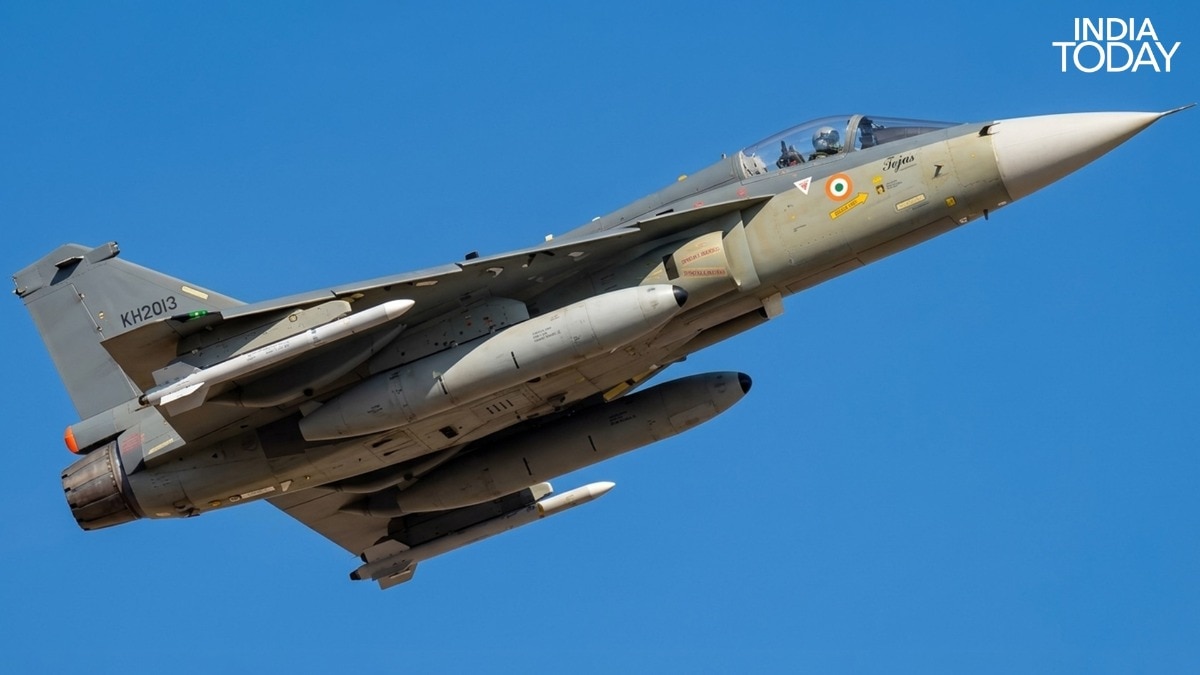
India’s negotiations with US defence major General Electric (GE) over the F414 fighter jet engine have run into turbulence after the cost of the proposed facilities for India’s Advanced Medium Combat Aircraft (AMCA) programme reportedly surged sharply, raising concerns over affordability and timelines for the country’s flagship fifth-generation fighter project. Sources told India Today that the price of the US-made GE F414 engine has climbed from an estimated Rs 70–80 crore per unit to more than Rs 200 crore during ongoing commercial discussions. Read Full Story The steep escalation has emerged as a key hurdle in finalising the agreement, even as technical talks around local manufacturing and technology transfer have reportedly progressed. The F414 engine was selected to power the Light Combat Aircraft (LCA) Tejas Mk-2 and was also designated as the interim engine for the AMCA Mk-1.
Under the current roadmap, the engine is expected to equip the first two to four squadrons of the stealth fighter before a more powerful indigenous engine is developed for later variants. The development marks a setback to what was once projected as a landmark India-US defence collaboration. During Prime Minister Narendra Modi’s state visit to the US in 2023, GE Aerospace and Hindustan Aeronautics Limited (HAL) signed an agreement to jointly manufacture F414 engines in India. The pact later received approval from the US Congress, enabling implementation of technology transfer, local production and licencing arrangements. At the time, the agreement was described as a major breakthrough because GE committed to transferring around 80 per cent of the technology required for production of the engines in India. HAL had said the partnership would create a foundation for future indigenous fighter engine development while supporting the Tejas Mk-2 programme through local manufacturing of 99 engines.
However, commercial discussions have reportedly become more complex than anticipated. Apart from engine pricing, negotiations are understood to involve production arrangements, support packages, localisation commitments and technology transfer terms. Sources said GE has proposed establishing a dedicated F414 assembly and manufacturing line in India but has sought an investment exceeding USD 800 million, or nearly Rs 6,000 crore, to set up the facility. The proposed line would potentially support future requirements across the AMCA, Tejas Mk-2 and Twin Engine Deck-Based Fighter (TEDBF) programmes. The immediate requirement is significant. The AMCA prototype phase involves building five aircraft and, as a twin-engine platform, will require around 15 engines, including additional units for testing and evaluation. The flight-testing campaign itself is expected to span nearly seven years and include about 1,800 sorties to validate stealth characteristics, avionics, sensors and weapons integration.
 The BriefWire