Karnataka BJP weighs future of JDS alliance after cross-voting shock in MLC polls
The cross-voting during last week's Karnataka Legislative Council elections has evolved beyond an internal discipline matter, with the BJP now reassessing both its alliance with
The cross-voting during last week's Karnataka Legislative Council elections has evolved beyond an internal discipline matter, with the BJP now reassessing both its alliance with the JD(S) and its long-term political strategy in the southern state. A fact-finding team, led by BJP veteran CT Ravi, is expected to submit a report on the cross-voting episode soon. Once that is done and the report is reviewed, disciplinary action against those found responsible is likely. Read Full Story However, sources told India Today that punishment alone will not suffice. The BJP leadership is taking a tough stance on the episode and in no mood to tolerate sabotage from within. The controversy has also sparked discussions within the party over the future of the NDA alliance in Karnataka and whether they should increasingly focus on expanding its independent political base. The Congress won five of seven seats, taking its strength in the Legislative Council increased from 34 to 39 members. The BJP, meanwhile, managed to win only two seats, which made its tally decline to 29.
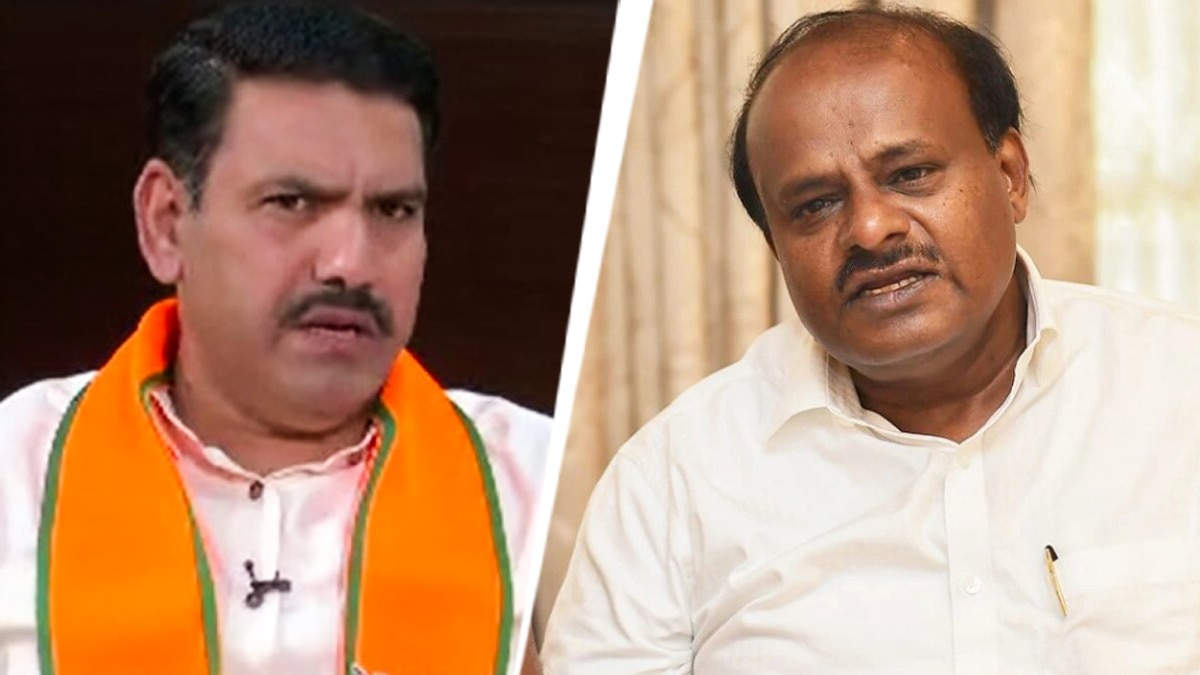
The JD(S) failed to secure its lone seat and is now left with only six members. In the 224-member Karnataka Assembly, the Congress had adequate numbers to secure four Legislative Council seats. However, cross-voting within the NDA camp led the party to win a fifth seat as well. HIGH-LEVEL REVIEW MEET IN DELHI The key review meet was recently held in Delhi, and attended by BJP state president BY Vijayendra, Leader of the Opposition R Ashoka, Karnataka BJP in-charge Radha Mohan Das Agarwal and senior party leadership. According to sources, the state leadership informed the central leadership that as many as 11 NDA legislators failed to vote as expected during the MLC polls. Additionally, four BJP votes were reportedly wasted, one was declared invalid and cross-voting by at least three BJP MLAs has been confirmed. Preliminary assessments also suggest that six to seven JD(S) legislators may not have followed the party line. For the BJP leadership, this was not a mere numerical setback but a significant challenge to the organisational discipline. JD(S) CANDIDATE'S DEFEAT RAISES ALLIANCE DYNAMIC QUESTIONS The defeat of JD(S) candidate Govindaraju has turned out to be a focal point in the post-election analysis.
Despite the party having 18 MLAs in the Assembly, the candidate secured merely 14 first-preference votes. The BJP had directed four of its legislators to support the JD(S) nominee, but the alliance candidate still failed to win. The outcome has raised questions within the NDA camp regarding the effectiveness of vote transfer between alliance partners, especially in tightly managed electoral contests. Furthermore, sources indicated that discussions are now revolving in Delhi about the JD(S)'s current political relevance. Some BJP leaders expressed reservations about the decision to field a third JD(S) candidate, arguing that the alliance lacked the numbers required to secure victory. The defeat has intensified scrutiny of that decision. CHANGING POLITICAL EQUATIONS Within sections of the BJP, there is a growing view that the JD(S) no longer commands the same political influence it once enjoyed, particularly among Vokkaliga voters. Party leaders are closely watching shifts within the Vokkaliga community, traditionally seen as a key support base of the JD(S). Sources told India Today that BJP leaders believe the rise of Chief Minister DK Shivakumar has bolstered Congress's appeal among the voters of the community, including in parts of the Old Mysuru region that were once regarded as JD(S) bastions.
 The BriefWire