Trump Administration Proposes Sharp US Citizenship Fee Hike: How Indians Could Be Affected
Trump Administration Proposes Sharp US Citizenship Fee Hike: How Indians Could Be Affected Published By, Last Updated: June 24, 2026, 08:15 IST Tens of thousands
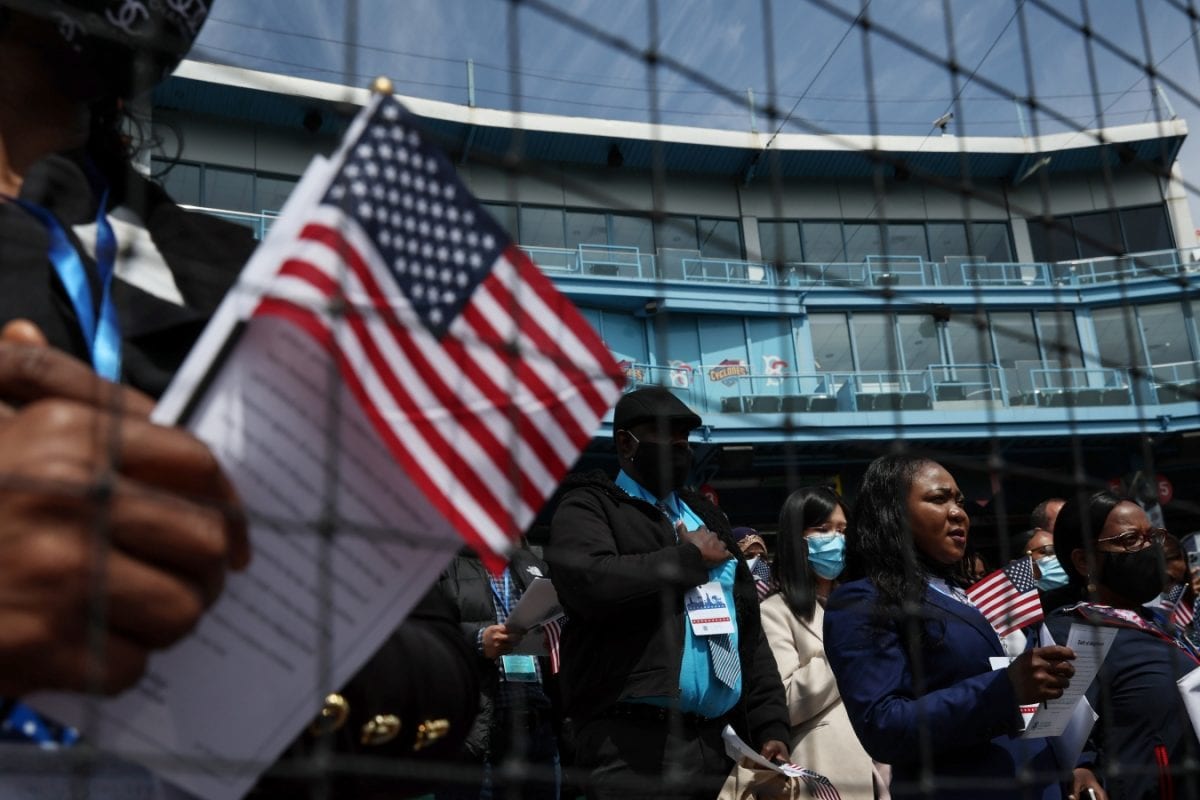
Trump Administration Proposes Sharp US Citizenship Fee Hike: How Indians Could Be Affected Published By, Last Updated: June 24, 2026, 08:15 IST Tens of thousands of Indians seek US citizenship each year, putting them among the groups most exposed to the proposed changes. Rapid Read Under a proposed rule released by the Department of Homeland Security, the cost of applying for naturalisation would rise by hundreds of dollars. (Image: REUTERS) The Trump administration has proposed a steep increase in US citizenship application fees that could make naturalisation considerably more expensive for Green Card holders, including tens of thousands of Indians who become American citizens each year. Under the proposal published by the US Department of Homeland Security (DHS) in the Federal Register on June 23, the cost of filing the main citizenship application would rise by about 75 to 80 per cent. The administration also plans to remove the reduced-fee option and income-based fee waivers currently available to applicants who cannot afford the full charge. The changes have not yet taken effect. They will first go through a public consultation process, and the DHS could revise the proposal before issuing a final rule. Until then, applicants can continue filing at the existing rates. If implemented in its present form, however, the proposal would place a heavier financial burden on permanent residents seeking citizenship, particularly families in which several members are eligible to apply at the same time. How Much Could A US Citizenship Application Cost? The proposed changes primarily affect Form N-400, officially known as the Application for Naturalization. This is the form most eligible Green Card holders must submit when seeking US citizenship. The fee for a paper N-400 application would increase from $760 to $1,330 — a rise of $570, or 75 per cent. Applicants filing online currently pay $710. Under the proposal, that charge would increase to $1,280, also a $570 rise and an increase of roughly 80 per cent. Online filing would therefore remain $50 cheaper than submitting a paper application, but both options would become substantially more expensive.
For an individual applicant, the proposed rule would add $570 to the cost of applying. The burden would be larger for households where multiple Green Card holders are seeking citizenship together. A family with three eligible applicants, for example, would have to pay an additional $1,710 solely because of the proposed increase. The proposal would also raise the cost of Form N-336, which is used to request a hearing after a naturalisation application has been denied. For paper submissions, the N-336 fee would rise from $830 to $1,475. The cost of filing the form online would increase from $780 to $1,425. In both cases, applicants would pay $645 more than they do under the present fee structure. Reduced Fees And Waivers Could Be Removed The proposal goes beyond raising the standard filing charges. It would also eliminate the reduced N-400 fee available to certain lower-income applicants and remove income-based fee waivers for naturalisation applications. At present, people with limited financial resources may qualify either for a lower fee or for a complete waiver, depending on their circumstances. Removing these options would mean that most applicants would have to pay the full proposed amount regardless of their income. The exemption would continue only for eligible current and former members of the US military who qualify for fee-free naturalisation under specific provisions of American immigration law. What The Proposal Means For Indians Indians are among the largest immigrant communities in the United States and consistently rank among the leading groups obtaining American citizenship. Estimates from the Migration Policy Institute, based on the 2024 American Community Survey, indicate that around 3.2 million Indian immigrants live in the US. Nearly half of them have already become naturalised American citizens. According to DHS data, 65,960 Indians were naturalised in the 2022 fiscal year, accounting for 6.8 per cent of all new US citizens that year. The number declined to about 59,050 in FY2023 and 49,700 in FY2024. Even after that fall, India remained the second-largest country of birth among people who obtained US citizenship in FY2024, behind Mexico.
 The BriefWire