Riot drill in UP backfires as tear gas smoke affects public, sparks outrage
A riot control mock drill conducted at the Reserve Police Lines in Uttar Pradesh’s Bijnor, aimed at preparing security forces for the upcoming Muharram festival
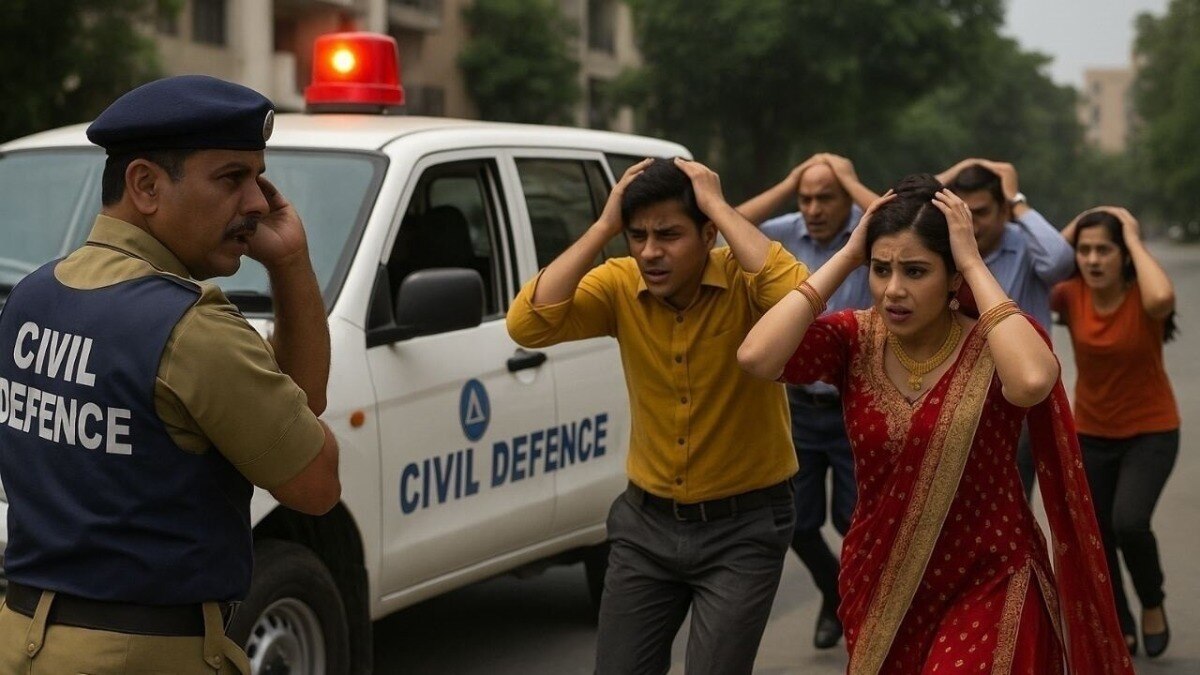
A riot control mock drill conducted at the Reserve Police Lines in Uttar Pradesh’s Bijnor, aimed at preparing security forces for the upcoming Muharram festival, has sparked criticism after tear gas smoke reportedly drifted into nearby markets and residential areas, causing discomfort to civilians. The exercise, carried out under the supervision of senior police officials, was intended to simulate crowd control and emergency response scenarios. However, according to eyewitnesses, the use of tear gas during the drill led to unintended exposure of nearby shopkeepers, pedestrians, and children. Read Full Story Several locals reported sudden eye irritation, coughing, and breathing discomfort after the smoke spread beyond the police premises.
Some pedestrians were seen rubbing their eyes, while shopkeepers alleged that business activity was disrupted due to panic and visibility issues. Residents claimed they were not informed in advance about the use of tear gas in the drill. They questioned why the exercise, meant for public safety preparation, ended up causing inconvenience to ordinary citizens in surrounding areas. QUESTIONS RAISED OVER PUBLIC SAFETY DURING EXERCISE The incident has triggered debate over whether proper precautions were followed during the drill. Locals argued that adequate warnings should have been issued, and safety buffers maintained to prevent exposure to civilians.
Concerns were also raised about the vulnerability of elderly people, children, and individuals with respiratory conditions such as asthma, who could have been severely affected by tear gas exposure. BALANCING SECURITY PREPAREDNESS AND PUBLIC SAFETY While authorities maintain that the drill was necessary for operational readiness, the incident has highlighted concerns over execution and public communication. Residents have called for stricter safeguards to ensure that future training exercises do not unintentionally impact civilian life. The episode has reignited discussions on the need to balance security preparedness with public safety and transparency in policing practices. WHAT IS TEAR GAS AND ITS IMPACT Tear gas is a chemical riot-control agent commonly used by law enforcement agencies.
It typically includes compounds such as CS gas (2-Chlorobenzalmalononitrile), CN gas (Chloroacetophenone), and CR gas (Dibenzoxazepine), which are known to cause temporary incapacitation through irritation. Medical experts note that exposure can lead to severe eye irritation, excessive tearing, coughing, throat discomfort, skin irritation, and breathing difficulties. In sensitive individuals, especially children and asthma patients, the effects can be more severe. Ends
 The BriefWire