Who are Nihangs? Sikh saint-warriors associated with weapons, horses, and controversies
Armed with spears, swords, and kirpans, around six Nihang Sikhs stormed a gurdwara in Uttarakhand's Rudraprayag district, vandalised parts of the premises, barricaded themselves on
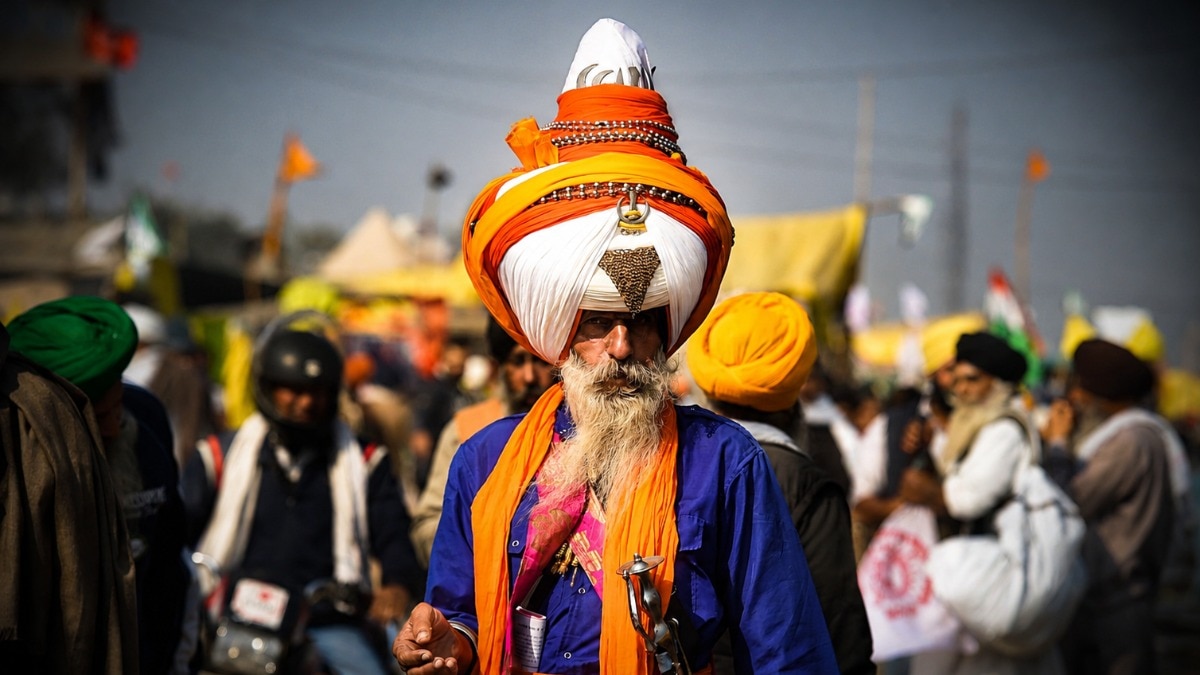
Armed with spears, swords, and kirpans, around six Nihang Sikhs stormed a gurdwara in Uttarakhand's Rudraprayag district, vandalised parts of the premises, barricaded themselves on the top floor, and locked access for three days. The group demanded the release of four Nihangs who had been arrested after a dispute over parking in nearby Karnaprayag that allegedly escalated into violence, injuring several locals. Read Full Story The Nagrasu Gurdwara standoff, which began on Saturday (June 21), was finally resolved on Tuesday. The incident drew national attention to one of Sikhism's most distinctive communities — the Nihang Sikhs. For more than three centuries, Nihangs have occupied a unique position within Sikhism as a warrior order founded during a period when the Sikh community faced repeated persecution and wars were thrust on it. Revered by many as the guardians of Khalsa martial traditions and viewed with fear by others because of their militant image, the Nihangs have long stood at the intersection of faith, military power, and political authority. The Nihangs stand out because of their blue dress, their dumalla turbans and weapons. The weapons of the Nihangs are not simply ceremonial objects like for other baptised Sikhs who carry a kirpan as part of the five Kakars. Traditional Sikh texts describe the Nihangs as warrior-saints whose duty was to defend the faith, protect the vulnerable, and remain prepared for battle at all times. To understand why Nihangs continue to carry arms — and why they continue to command both reverence and controversy — it is necessary to look back at the history and traditions that shaped them. However, the weapons of the Nihangs signify their vow to defend the weak, protect religious freedom, and uphold justice. They aren't meant to attack the unarmed. The association of the Nihangs with cannabis has also come for criticism. While consumption of cannabis was done for military campaigns and to alleviate pain, Sikh scholars criticise the practice as incompatible with Rehat Maryada, which prohibits intoxicants. On June 20, a group of Nihangs stormed the Rudraprayag gurdwara, vandalised parts of the premises, brandished traditional weapons and barricaded themselves on the roof, locked access, raised slogans, and demanded the release of the four arrested Nihangs. (Image: File) WHO ARE THE NIHANGS, THE WARRIOR-SAINTS OF SIKHISM? Among the many sects and traditions that emerged within Sikhism, none are as visually striking or historically influential as the Nihangs. Traditional Sikh texts trace the origins of the Nihangs to Guru Gobind Singh, the tenth Sikh Guru, who established the Khalsa in 1699. The Bhai Daya Singh Rehatnama, attributed to Bhai Daya Singh, one of Guru Gobind Singh's original Panj Pyare (five beloved disciples), describes a Nihang as "a Khalsa Sikh who wears blue attire, keeps a tall dumalla (layered warrior turban), carries weapons, and adheres to a distinct code of conduct". There is a section of Nihangs who do not follow any restrictions on the colour of their dress. Though both the sections follow the martial traditions. They are commonly referred to as Akalis or Akali Nihangs and are regarded by many Sikhs as custodians of the Khalsa's military traditions. The Rehatnama presents the Nihang not merely as a soldier but as a warrior devoted to Akal Purakh, the Timeless One, and prepared at all times to defend the faith. A historical 1880 text written in Braj Bhasha by Baba Sumer Singh, Sri Gur Pad Prem Prakash, attributes the origins of the Nihang identity to an episode involving Sahibzada Fateh Singh, the youngest son of Guru Gobind Singh. According to Baba Sumer Singh, the young Sahibzada was dressed in a blue dumalla and armed with weapons.
 The BriefWire