Kunal Shah: The Indian entrepreneur taking charge of WhatsApp
Until recently, Kunal Shah was a familiar name mainly within India's startup and investor circles. The founder of fintech company Cred had steadily built a
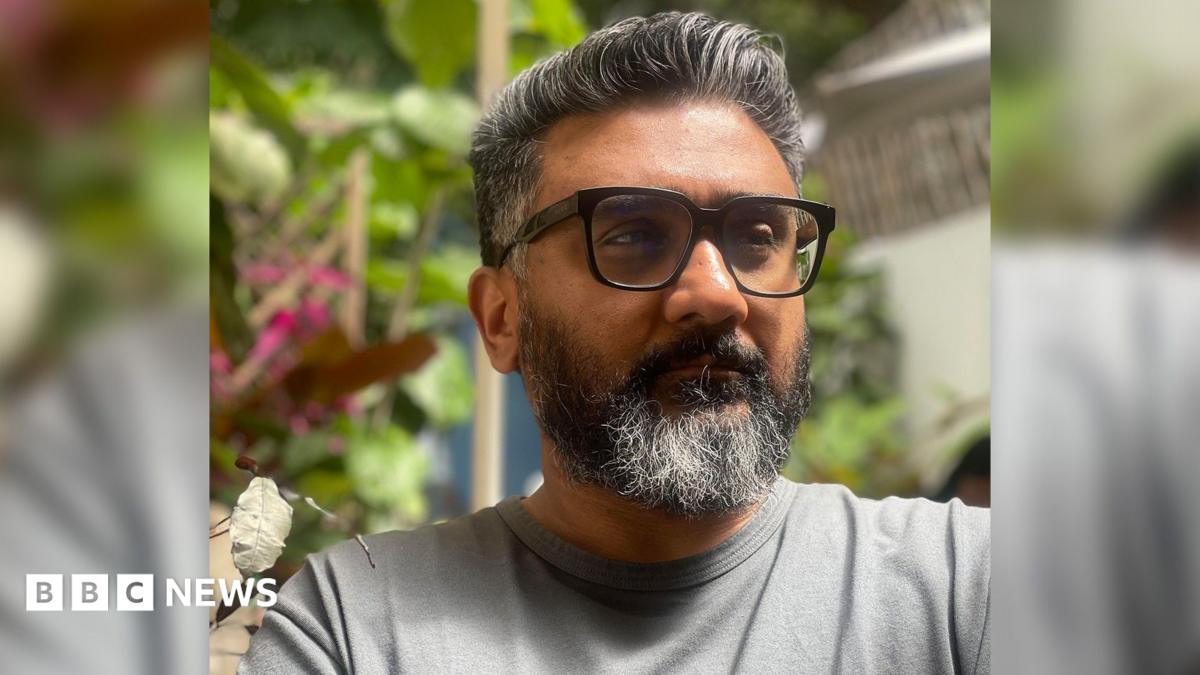
Until recently, Kunal Shah was a familiar name mainly within India's startup and investor circles. The founder of fintech company Cred had steadily built a following beyond the businesses he created. His podcast appearances often ventured into topics such as trust, incentives, wealth creation and human behaviour. His social media posts ranged from artificial intelligence to philosophy. Now, with Meta appointing him to lead WhatsApp, he has been propelled into the global spotlight. The appointment follows Meta's $900m (£679m) investment in Cred and comes at a time when WhatsApp is seeking to expand beyond messaging into payments, business services and AI-powered products. While Indian-origin executives have led some of the world's biggest technology companies, it is less common for a founder who built his career within India's startup ecosystem to be handed control of a global consumer platform of that scale. WhatsApp has more than three billion users worldwide. Long before Meta came calling, Shah had become a recognisable figure in India's startup ecosystem. His first major breakthrough came with FreeCharge, a mobile recharge platform he co-founded in 2010 as India's internet economy was beginning to take shape. The company grew rapidly and was acquired, external by e-commerce firm Snapdeal in 2015 in what was then one of the largest startup acquisitions in the country. But Shah's reputation would eventually expand beyond the companies he built. After leaving FreeCharge, he spent several years investing in young technology firms and advising founders. He also worked as an adviser with startup accelerator Y Combinator and Sequoia Capital - roles through which he became closely involved with a generation of founders, especially in the technology sector, as India's startup ecosystem expanded rapidly.
Raised in Mumbai, Shah studied philosophy in college and did not follow the path taken by many of India's best-known technology founders through elite engineering or management institutions. In a post on X, Indian entrepreneur and investor Sanjeev Bikhchandani, external once recalled Shah telling him that he chose philosophy largely because the subject's morning class schedule allowed him to continue working full-time after his family's business ran into financial trouble. In interviews and podcast appearances over the years, Shah has also spoken about taking up odd jobs while studying. Those early experiences, according to him, were followed by the launch of FreeCharge, the company that first brought him national attention. Founded in 2018, Cred came up with a simple business model centred on rewarding people for paying their credit card bills on time. In public appearances, Shah has often linked the company's origins to questions of trust and incentives. The company later expanded into lending, insurance, commerce and wealth management products. Meta's latest investment values Cred at about $4.5bn, external, above its previous funding-round valuation but below the peak valuation it achieved in 2022, according to a Reuters report. Cred also became a recognisable fintech brand, especially with its campaigns that often relied on humour, nostalgia and unexpected celebrity appearances. But its rise also brought scrutiny. For years, the company was admired for its brand and growth but frequently questioned over its path to profitability. Critics questioned whether investor enthusiasm and lofty valuations were justified by the company's financial performance, while supporters argued that many successful technology businesses had also endured long periods of losses while building scale.
 The BriefWire