Bangladesh Links Future India Ties To Ganges Water Treaty: What Is The 1996 Accord?
Bangladesh Links Future India Ties To Ganges Water Treaty: What Is The 1996 Accord? Published By, Last Updated: May 18, 2026, 16:13 IST As the
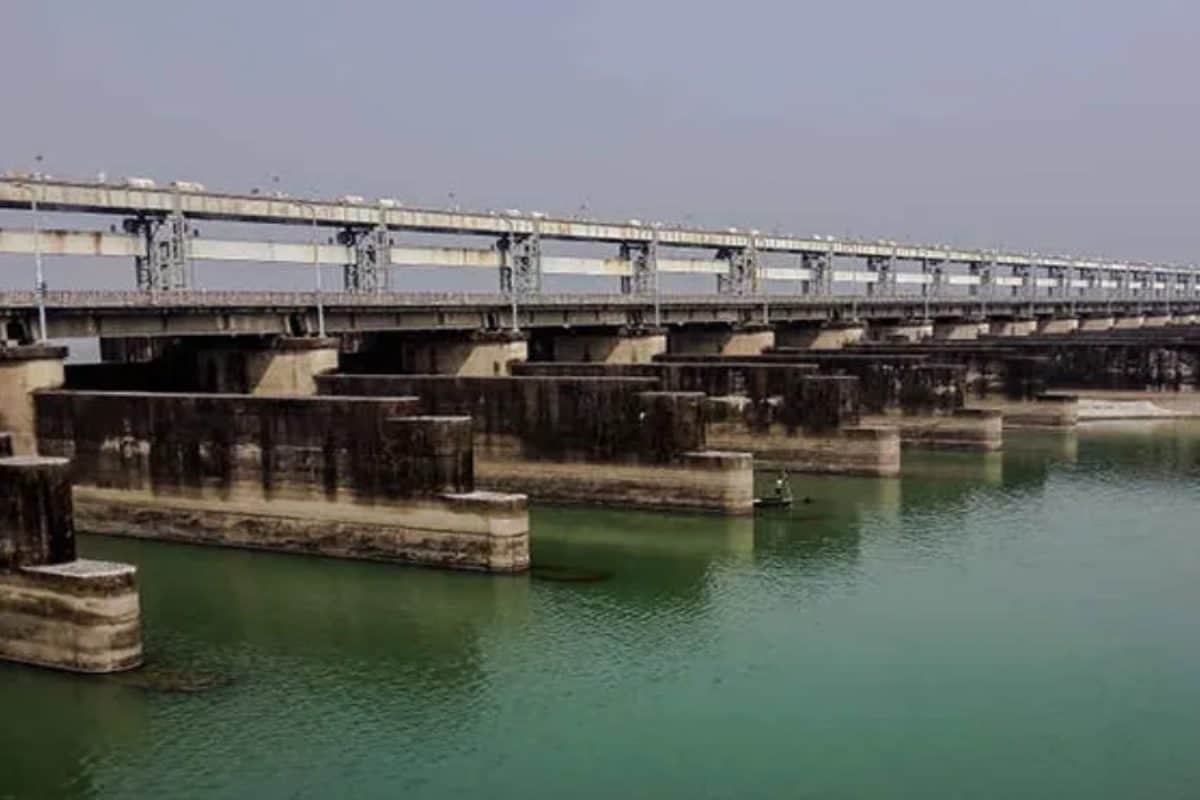
Bangladesh Links Future India Ties To Ganges Water Treaty: What Is The 1996 Accord? Published By, Last Updated: May 18, 2026, 16:13 IST As the 1996 Ganges Water Sharing Treaty nears expiry, Bangladesh has called for early negotiations on a new pact, saying future ties with India will depend on the agreement. Rapid Read The Farakka Barrage, located in West Bengal near the Bangladesh border, has been at the centre of India-Bangladesh water disputes for decades. Bangladesh’s ruling Bangladesh Nationalist Party (BNP) has linked the future trajectory of Dhaka’s ties with New Delhi to the renewal of the Ganges Water Sharing Treaty. The existing Indo-Bangladesh Ganges Water Sharing Treaty, signed in 1996 for a duration of 30 years, is set to expire in December this year. BNP leaders have now publicly pressed India to begin discussions on a fresh agreement, arguing that any future understanding must reflect Bangladesh’s “expectations and needs". Addressing an event in Dhaka, BNP secretary general Mirza Fakhrul Islam Alamgir said Bangladesh wanted to send a “clear message" to India that a new treaty should be finalised through discussions aligned with the interests of the Bangladeshi people. “We want to send a clear message to the Indian government that a new treaty must be finalised through discussions in line with the expectations of the people of Bangladesh," Alamgir said. “The opportunity to establish good relations with India will depend on the signing of the Ganges Water Sharing Treaty or the Farakka Agreement," he said. The remarks come at a time when Dhaka is also moving ahead with a major Padma river barrage project that Bangladesh says is aimed at addressing concerns linked to India’s Farakka Barrage. So what exactly is the Ganges Water Sharing Treaty, and why is it so important for Bangladesh? What Is The Ganges Water Sharing Treaty? The Ganges Water Sharing Treaty is a bilateral agreement between India and Bangladesh governing the sharing of Ganga river waters during the dry season at the Farakka Barrage in West Bengal.
The accord was signed on December 12, 1996, during the tenure of former Bangladesh Prime Minister Sheikh Hasina, after years of negotiations and a series of temporary water-sharing arrangements between the two countries. The treaty primarily focuses on water distribution during the lean season between January 1 and May 31, when river flow drops significantly and both countries depend heavily on the water for agriculture, ecology, transport and daily use. Under the treaty, water sharing at Farakka is based on the volume of flow available during the dry season. If the flow is 70,000 cusecs or less, India and Bangladesh receive 50 per cent each. If the flow is between 70,000 and 75,000 cusecs, Bangladesh gets 35,000 cusecs and India receives the remaining flow. If the flow exceeds 75,000 cusecs, India receives 40,000 cusecs and Bangladesh gets the balance. The treaty does not contain a fixed minimum guarantee clause if water levels fall sharply. Instead, Article II states that if flow at Farakka drops below 50,000 cusecs during any 10-day period, India and Bangladesh will hold immediate consultations to make emergency adjustments based on ‘equity, fair play and no harm to either party’. The agreement also provides that between March 11 and May 10 — the most critical dry-season period — India and Bangladesh will each receive a guaranteed 35,000 cusecs in alternating three 10-day cycles. What Is The Farakka Barrage? The Farakka Barrage, located in West Bengal near the Bangladesh border, has been at the centre of India-Bangladesh water disputes for decades. Constructed by India in the 1970s, the barrage diverts water from the Ganga into the Hooghly river to help clear silt and improve navigability at Kolkata Port. Bangladesh has repeatedly argued that the diversion reduces downstream flow during dry months, affecting agriculture, fisheries, groundwater and river health. Why Is The Ganges So Important For Bangladesh? The Ganges river enters Bangladesh through Chapai Nawabganj district, where it becomes known as the Padma.
It is one of the country’s most important river systems and remains central to agriculture, fisheries, ecology and drinking water supply. Bangladesh, which is criss-crossed by hundreds of rivers, depends heavily on water-sharing arrangements with upstream India. The two countries share 54 transboundary rivers. According to Alamgir, nearly one-third of Bangladesh’s population of around 170 million depends directly or indirectly on the river system for livelihoods and ecological sustainability. Water availability during the dry season has long been a politically sensitive issue in Bangladesh. Successive governments, environmental groups and water experts in the country have argued that reduced downstream flow linked to the Farakka Barrage has worsened salinity intrusion, damaged river ecosystems and affected agriculture in several regions. India, however, has consistently maintained that the Farakka Barrage was constructed primarily to maintain navigability at Kolkata Port. Water diverted into the Hooghly river helps flush out sediment and improve navigation channels. Why Has The Treaty Returned To The Spotlight Now? The issue has resurfaced because the current treaty is nearing expiry, and political voices in Bangladesh are beginning to shape the debate around what comes next. BNP leaders have demanded that discussions on a new agreement begin well before the current pact lapses. Alamgir also argued that the existing treaty should continue until a replacement arrangement is finalised. He further suggested that future water-sharing agreements between the two countries should not be limited to fixed time periods. The comments came days after Bangladesh approved a mega barrage project on the Padma river, which Dhaka says is intended to offset the “negative impact" of the Farakka Barrage. The project is expected to be completed by 2033. Bangladesh Water Resources Minister Shahiduddin Chowdhury Anee said the proposed project was tied to Bangladesh’s national interests and did not require consultations with India. “Discussions are necessary regarding the Ganges, and those are ongoing," Anee said after the meeting. How Does The Teesta Issue Fit Into This?
The BNP has also connected the broader river-water debate to the unresolved Teesta water-sharing agreement between India and Bangladesh. The Teesta pact has remained stalled for years, largely because of opposition from West Bengal governments over concerns related to water availability within the state. Earlier this month, BNP Information Secretary Azizul Baree Helal criticised former West Bengal Chief Minister Mamata Banerjee over the deadlock surrounding the Teesta agreement. Talking to ANI, Helal accused Banerjee’s government of blocking progress on the proposed pact. He also welcomed the BJP’s recent victory in West Bengal and expressed hope that a political shift in the state could help revive negotiations on the Teesta issue. Helal further argued that closer coordination between Dhaka and Kolkata could positively influence wider India-Bangladesh ties, especially since West Bengal shares Bangladesh’s longest land border among Indian states. What Has India Said? India has maintained that there are already established bilateral mechanisms in place to address all water-related concerns with Bangladesh. Earlier this month, Ministry of External Affairs spokesperson Randhir Jaiswal said India and Bangladesh share 54 rivers and continue to engage through structured institutional platforms. “These bilateral mechanisms continue to meet at regular intervals," Jaiswal said during a media briefing. The remarks came amid renewed debate over water-sharing arrangements in the region, including discussions around the Ganges treaty and other pending agreements such as Teesta. News18 Newsletter Handpicked stories, in your inbox A newsletter with the best of our journalism submit First Published: May 18, 2026, 16:13 IST News india Bangladesh Links Future India Ties To Ganges Water Treaty: What Is The 1996 Accord? Disclaimer: Comments reflect users’ views, not News18’s. Please keep discussions respectful and constructive. Abusive, defamatory, or illegal comments will be removed. News18 may disable any comment at its discretion. By posting, you agree to our Terms of Use and Privacy Policy Loading comments...
 The BriefWire