What Did First Round Of US-Iran Talks In Switzerland Achieve? Key Agreements And Sticking Points
What Did First Round Of US-Iran Talks In Switzerland Achieve? Key Agreements And Sticking Points Published By, Last Updated: June 23, 2026, 23:54 IST One
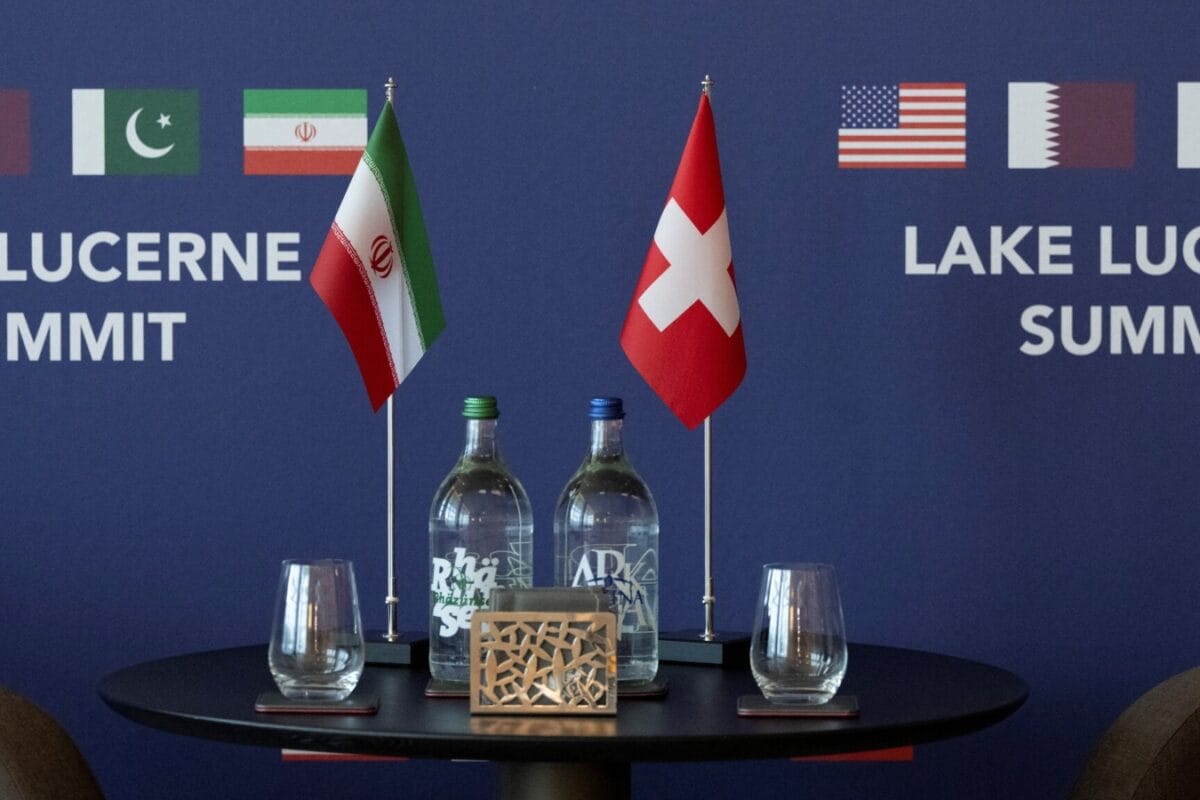
What Did First Round Of US-Iran Talks In Switzerland Achieve? Key Agreements And Sticking Points Published By, Last Updated: June 23, 2026, 23:54 IST One of the clearest outcomes of the talks was the US decision to waive sanctions on Iranian oil exports for 60 days. Iranian Flag and Swiss Flag at the Buergenstock resort in Obbuergen, near Lucerne, Switzerland. (AFP photo) The first round of US-Iran talks in Switzerland produced a mix of limited agreements and major unresolved issues, including a short-term sanctions waiver, a new maritime communication channel, and sharp disagreements over nuclear inspections, frozen assets, and the scope of sanctions relief. The discussions followed the signing of a Memorandum of Understanding (MoU) between Washington and Tehran last week, which triggered direct negotiations aimed at the war in West Asia. US President Donald Trump said he would “do what I have to do" if Iran failed to comply with its commitments under the emerging framework. Sanctions waiver and oil trade relief One of the clearest outcomes of the talks was the US decision to waive sanctions on Iranian oil exports for 60 days.
The move is expected to temporarily ease restrictions on Iranian crude shipments, which have been heavily constrained under long-standing US sanctions. An estimated 67 million barrels of Iranian oil are currently stored on ships and tankers in the Gulf. Chinese state-owned and independent refineries are the biggest buyers of this oil, Al Jazeera reported. The waiver is seen as a limited confidence-building step rather than a permanent rollback of restrictions, with further negotiations expected on the future of Iran’s energy exports and broader sanctions regime. Hormuz ‘communication line’ agreed Both sides also agreed to establish “a communication line" regarding the Strait of Hormuz to reduce the risk of miscommunication and maritime incidents. The channel is aimed at ensuring safe passage for commercial vessels through one of the world’s most critical energy corridors, which was closed by Tehran after the war broke out in February 28 following US-Israeli strikes on Iran. Frozen assets dispute remains unresolved A key area of disagreement emerged over Iran’s frozen overseas assets. Iranian officials had claimed that up to $12bn in blocked funds would be released as part of the talks.
However, US officials did not confirm this figure, instead indicating that any unfrozen assets would be tightly controlled and directed toward limited purchases of US agricultural products. US President Trump said any released funds would be placed in escrow and used for humanitarian imports, while Iranian officials insisted the country would retain full discretion over how such assets are used. “One of the things that we are doing also, and it came up last night, is money that’s being unfrozen is going to be used to buy food, and the food’s going to be bought exclusively through the United States from our farmers," Trump had said. Nuclear inspections: conflicting claims A major sticking point remains Iran’s nuclear programme and the return of international inspectors. US officials suggested that Iran had agreed to allow International Atomic Energy Agency (IAEA) inspectors back into the country as part of early understandings. Iran, however, rejected this claim, saying no such agreement or timetable exists. Uranium enrichment Further differences persist over Iran’s uranium stockpile and enrichment levels. While past agreements limited enrichment to low levels suitable for civilian energy use, Iran is now believed to possess significant quantities of highly enriched material.
 The BriefWire