India makes drought plan for 315 districts
New Delhi: India has drawn up contingency plans for more than 300 districts which are vulnerable to a weak monsoon as it steps up preparations
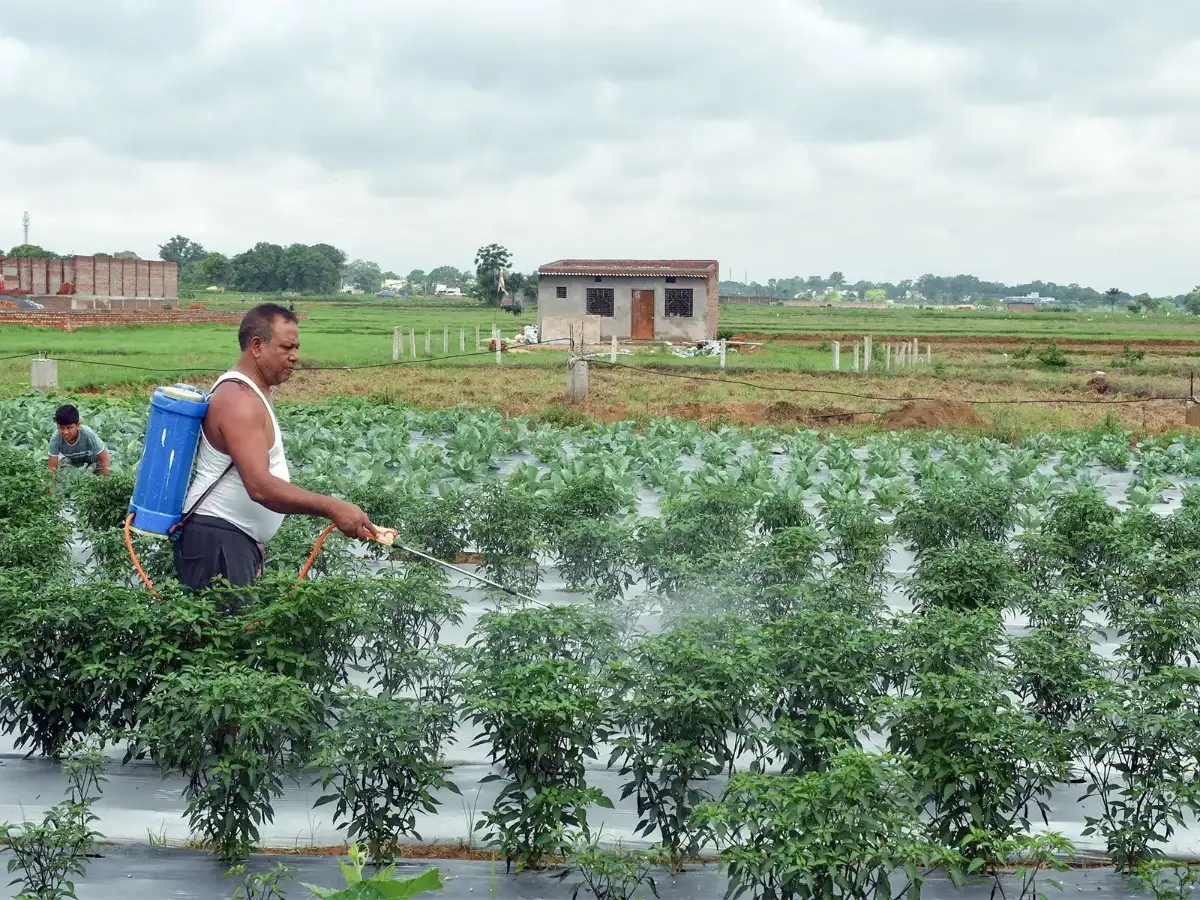
New Delhi: India has drawn up contingency plans for more than 300 districts which are vulnerable to a weak monsoon as it steps up preparations for the summer-sown season to minimise the impact on crops, its farm minister Shivraj Singh Chouhan said on Tuesday.The monsoon has so far brought rains about 43% below average, and the weather office has forecast weak rains through the week ending July 2, Chouhan told reporters after chairing a meeting with state farm ministers, officials and scientists.Also Read: India monsoon revives after two-week stall, heads into central beltThe India Meteorological Department defines average, or normal, rainfall as between 96% and 104% of a 50-year average of 87 cm (35 inches) for the June-September monsoon season. The state-run weather office last month forecast an El Nino-weakened monsoon in 2026 that would mean the lowest rainfall in 11 years.The monsoon delivers about 70% of the annual rains in the world's most populous nation of 1.4 billion people and is critical for replenishing water sources in India, where nearly half of farmland lacks irrigation and about half the population relies on farming for its livelihood.Although poor monsoon rains may hit farm incomes, India has ample stocks of staples such as rice and wheat.Millions of farmers begin planting crops such as rice, corn, cotton, soybeans and sugarcane during the rainy months of June and July, and a delayed or patchy monsoon can cut crop yields, dragging down rural incomes.Also Read: Weak start to monsoon seen clouding Kharif season outlook: ReportThe government has classified 111 of the 315 districts as high priority because less than a quarter of their farmland is irrigated, while another 76 have been designated medium priority, the minister said.States have been advised to encourage farmers in rain-fed areas to shift to short-duration and less water-intensive crops such as pulses, millets and oilseeds.The government has also asked states to repair ponds, check dams and other water-harvesting structures and prioritise water conservation works, he said.
 The BriefWire