‘Lebanon Issue Is Separate’: US Pushes To Delink Beirut From Iran Negotiations
‘Lebanon Issue Is Separate’: US Pushes To Delink Beirut From Iran Negotiations Published By, Last Updated: June 23, 2026, 23:12 IST The remarks come as
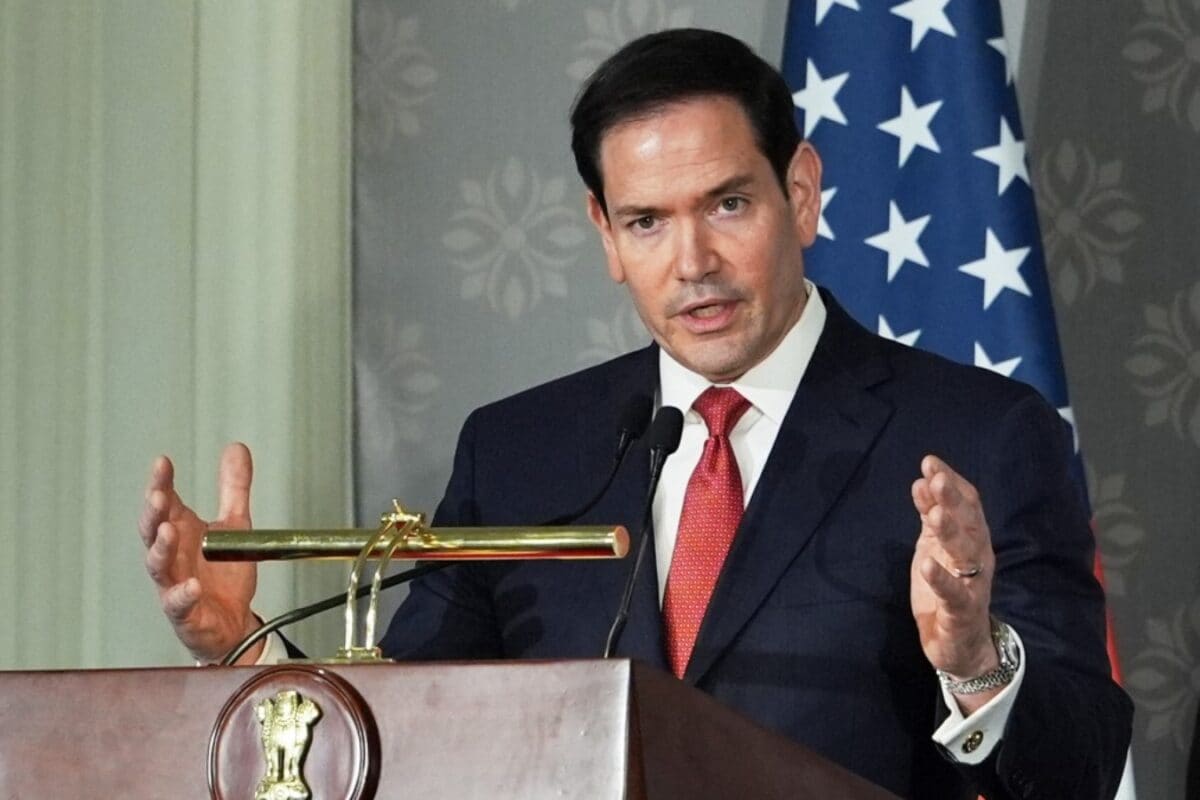
‘Lebanon Issue Is Separate’: US Pushes To Delink Beirut From Iran Negotiations Published By, Last Updated: June 23, 2026, 23:12 IST The remarks come as US continues negotiations with Iran over nuclear and regional security issues, while future of Hezbollah remains a key point of contention in Lebanon. US Secretary of State Marco Rubio said that they will "negotiate and deal with the Lebanese government" separately. (Source: AFP) United States Secretary of State Marco Rubio on Monday underscored that Lebanon would not be treated as part of Washington’s ongoing negotiations with Iran, stressing that it would engage directly with Beirut’s elected government on issues concerning the country’s future. “The Lebanon issue is separate from Iran because Lebanon is a sovereign country with its own government," Rubio said, making it clear that Washington does not view Lebanon as a bargaining chip in its broader discussions with Tehran. He added, “We are going to negotiate and deal with the Lebanese government," reaffirming the US position that any decisions concerning Lebanon would be made through its state institutions. Marco Rubio:The Lebanon issue is separate from Iran because Lebanon is a sovereign country with its own government.
We are going to negotiate and deal with the Lebanese government. The future of Lebanon belongs to the Lebanese people through their sovereign, elected… pic.twitter.com/AQZGFuchoT — Clash Report (@clashreport) June 23, 2026 Rubio further stressed that “the future of Lebanon belongs to the Lebanese people through their sovereign, elected government," signalling continued US support for Lebanon’s sovereignty and its elected leadership. Also Read: ‘Must End Reliance On US’: Netanyahu Says Israel’s Campaign Against Iran ‘Not Over Yet’ The remarks come as Washington continues negotiations with Tehran over nuclear and broader regional security issues, while the future of Iran-backed Hezbollah remains a key point of contention in Lebanon. Israel has also maintained that it intends to retain a security zone in southern Lebanon despite ongoing diplomatic efforts aimed at stabilising the region. Rubio’s comments indicate that the United States intends to work directly with the Lebanese government rather than address Lebanon’s future through negotiations with Iran. The approach also reflects Washington’s emphasis on strengthening Lebanon’s state institutions and reinforcing the authority of its elected government over non-state armed groups.
‘Strait of Hormuz Is Governed By International Law’ Meanwhile, responding to reports that Iran could impose transit fees on ships using the Strait of Hormuz, Rubio reiterated that the strategic waterway remains an international passage governed by international law. Also Read: ‘It Was Never On The Table’: Shehbaz Sharif Says US-Iran MoU Does Not Include Ballistic Missiles “It’s an international waterway. No country is allowed to charge tolls or fees on an international waterway. That’s existing international law. That’s the way it is in international waterways all over the world, and that’s the way we expect it will be here," Rubio added. Rubio’s remarks come as the United States and Iran continue diplomatic efforts to reach a broader agreement following marathon negotiations in Switzerland over the weekend. With Vice President JD Vance leading the US delegation, the talks sought to build on an interim deal signed last week, with both sides agreeing to a roadmap aimed at securing a permanent agreement within 60 days. While Vance said the discussions had laid a strong foundation for a final peace deal, Iran maintained that negotiations on its nuclear programme had not yet begun.
 The BriefWire