Taliban Holds 'Constructive' Talks With EU Amid Push To Deport Rejected Afghan Asylum Seekers
Taliban Holds 'Constructive' Talks With EU Amid Push To Deport Rejected Afghan Asylum Seekers Published By, Last Updated: June 23, 2026, 21:18 IST Taliban delegation
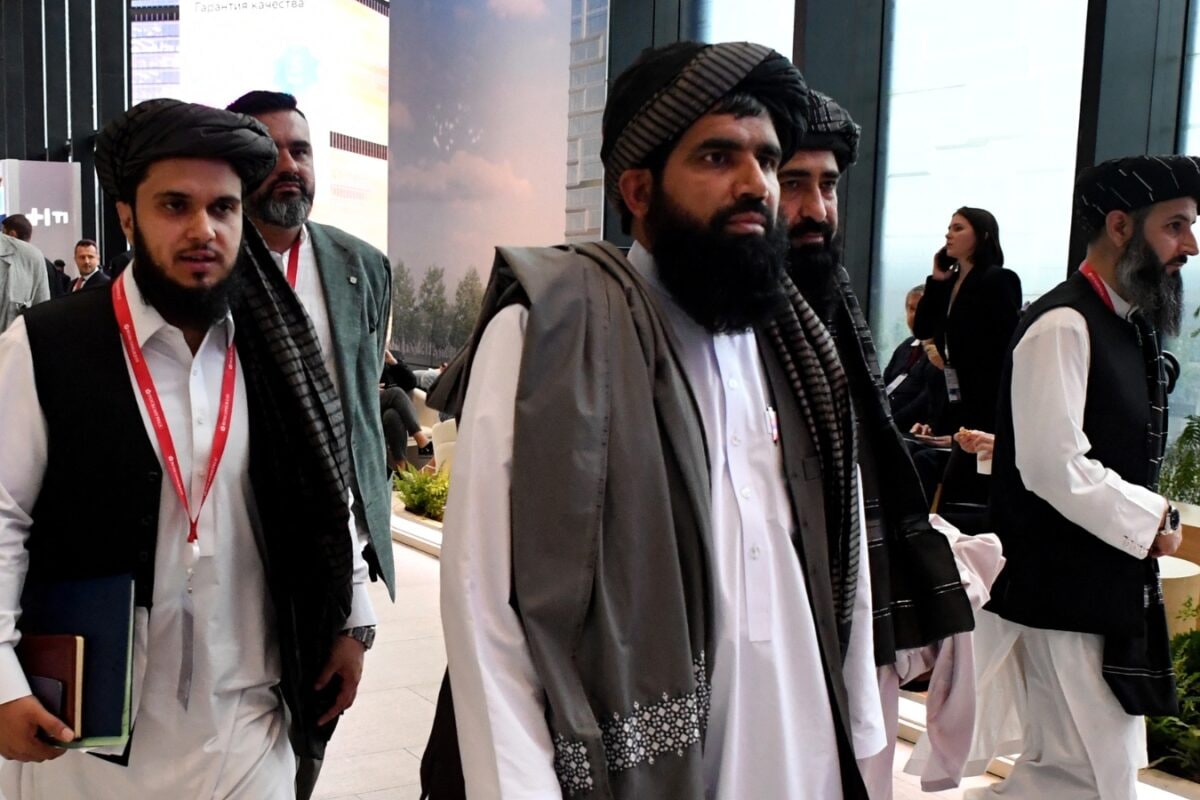
Taliban Holds 'Constructive' Talks With EU Amid Push To Deport Rejected Afghan Asylum Seekers Published By, Last Updated: June 23, 2026, 21:18 IST Taliban delegation holds constructive talks with EU in Brussels on deportations of failed Afghan asylum seekers amid criticism over human rights and Afghanistan humanitarian crisis A Taliban delegation attends the Saint Petersburg International Economic Forum (SPIEF) in Saint Petersburg on June 6, 2024. (Image Courtesy: Olga MALTSEVA/AFP) A Taliban delegation held what an Afghan official described as “constructive" talks with European Union representatives in Brussels on Tuesday, in a rare face-to-face engagement between the two sides as several EU member states seek to accelerate the return of failed Afghan asylum seekers. “The meetings were constructive and there is hope that they will lead to positive developments," an Afghan official with direct knowledge of the discussions told AFP, speaking on condition of anonymity because of the sensitivity of the talks. The meeting marks one of the few known instances of Taliban officials travelling to Brussels since the group returned to power in Afghanistan in August 2021.
Western governments, including EU member states, have not formally recognised the Taliban administration, though contacts have continued on issues ranging from humanitarian assistance to migration and security. The discussions come as migration has moved back to the centre of political debate across Europe. Afghans remain among the largest groups seeking asylum in the European Union, but several governments have pushed for faster deportations of individuals whose asylum applications have been rejected, particularly those convicted of crimes or considered security risks. A Taliban official had earlier confirmed that a delegation was travelling to Brussels for closed-door talks expected to focus on deportations. The European Commission has previously acknowledged efforts to establish technical-level discussions with Taliban authorities on the return of certain Afghan nationals, while insisting that such contacts do not amount to diplomatic recognition. Changes In Afghan Society After The 2021 Taliban Takeover European officials have argued that the talks are intended to address the return of people deemed security threats and to establish practical arrangements in cases where deportations are legally permitted.
Returns to Afghanistan have remained limited since the Taliban takeover because most European countries do not maintain formal diplomatic relations with Kabul. The prospect of deeper engagement with Taliban authorities on migration has drawn criticism from refugee and human rights organisations. Advocacy groups have warned that Afghanistan’s human rights situation remains fragile and have argued that deportations could expose returnees to significant risks. Since reclaiming power, the Taliban administration has imposed sweeping restrictions on women and girls, including limits on education, employment and public life. International rights groups and United Nations officials have repeatedly criticised those policies, while the Taliban has defended them as consistent with its interpretation of Islamic law. The talks also come as Afghanistan grapples with a severe humanitarian crisis. According to the United Nations World Food Programme, more than 17 million people in the country face food insecurity. At the same time, Afghanistan has absorbed large numbers of returnees from neighbouring Iran and Pakistan, adding pressure to an already strained economy and aid system.
 The BriefWire