Hormuz Is Reopening. So Why Can't More Than 600 Tankers Sail? Blame The Barnacles
Hormuz Is Reopening. So Why Can't More Than 600 Tankers Sail? Blame The Barnacles Published By, Last Updated: June 23, 2026, 19:04 IST The issue
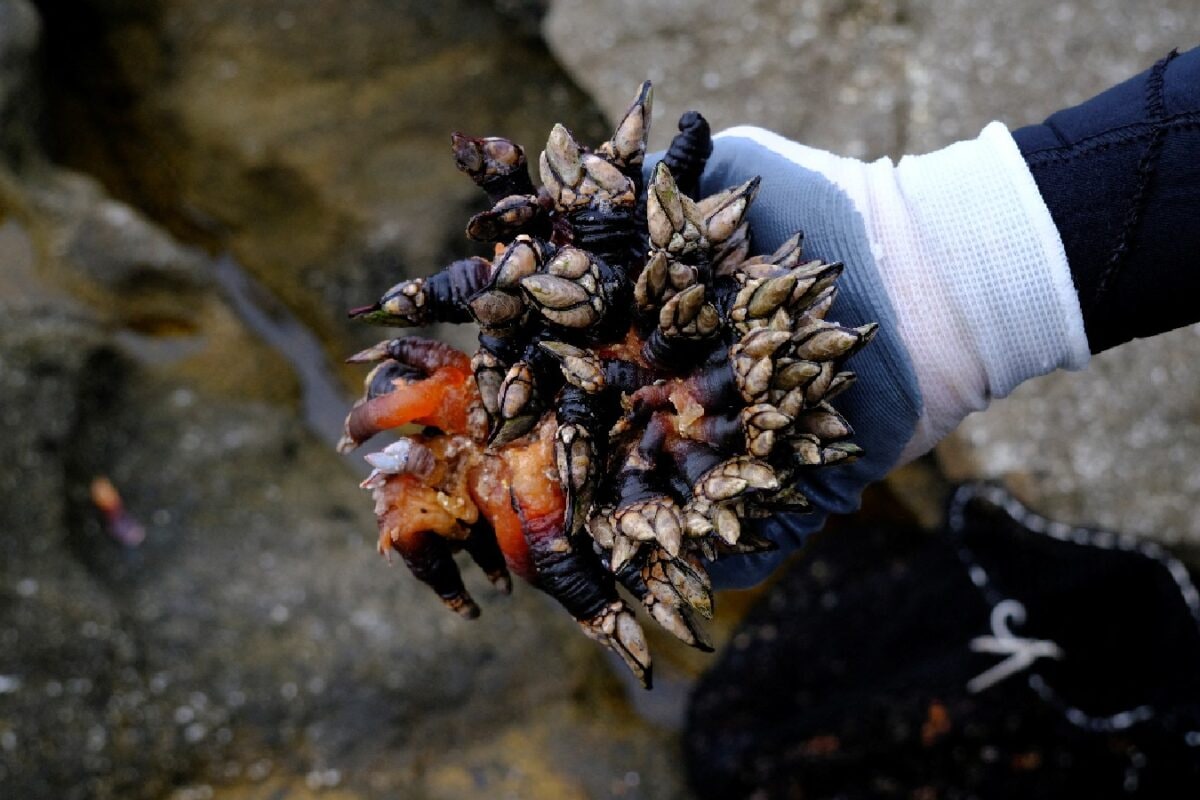
Hormuz Is Reopening. So Why Can't More Than 600 Tankers Sail? Blame The Barnacles Published By, Last Updated: June 23, 2026, 19:04 IST The issue is more serious than it appears. Commercial vessels are designed with fluid dynamics in mind, and excessive biofouling disrupts the smooth flow. Rapid Read Hundreds of tankers stranded during the US-Iran conflict now face an unlikely enemy straight out of a Tintin comic: blistering barnacles. (IMAGE: REUTERS FILE) Over 600 tankers remain stranded in the Strait of Hormuz even though the guns have fallen silent, at least for now, following last week’s US-Iran ceasefire. Among the many operational hurdles preventing a quick return to normalcy is an unexpected one: marine life. Barnacles, mussels, clams, algae and other warm-water organisms have attached themselves to hundreds of oil tankers that spent months anchored in the Persian Gulf during the four-month conflict. To borrow from Tintin’s Captain Haddock, it’s a case of “blistering barnacles" holding up the return of oil flows through Hormuz. Enter the “bottom cleaners" — specialist divers tasked with removing biofouling, the maritime industry’s term for the marine organisms that accumulate on a ship’s hull.
Industry experts say clearing the buildup from hundreds of vessels could take thousands of man-hours. The issue is more serious than it appears. Commercial vessels are designed with fluid dynamics in mind, and excessive biofouling disrupts the smooth flow of water around a ship’s hull. The result is greater drag, reduced fuel efficiency and higher operating costs — a significant concern for tankers carrying crude oil across thousands of nautical miles from West Asia to global markets. The scale of the task is enormous. Modern oil supertankers can stretch beyond 1,000 feet in length and have underwater hull surfaces spanning roughly 150,000 square feet. Cleaning a single vessel can require teams of five to six divers working for several hours with scrapers, pressure washers and specialised equipment to remove stubborn marine growth. Derek Hamm of Florida-based Obsessive Compulsive Divers told CNN that four months at anchor is “plenty of time for a lot of gross stuff to accumulate". Hamm is one of many professional divers whose work revolves around cleaning ship hulls. Brian McCauley, owner of McCauley Mooring and Diving in the United States, said the job itself is relatively straightforward, but the sheer size of modern tankers makes it a major undertaking.
Divers typically use specialised lances and scraping tools to remove marine growth from hulls. For particularly stubborn buildups — especially barnacles — they often rely on power sanders and hydraulically powered pressure-cleaning systems connected to onboard generators. The process requires precision as well as effort. Divers must avoid damaging the vessel’s paint and protective coatings, which are specifically designed to reduce marine growth. Any damage can create compliance issues under environmental regulations and may even trigger concerns under insurers’ maintenance and biofouling requirements. The sudden surge in demand has also turned bottom cleaning into a lucrative business. With hundreds of vessels needing urgent hull cleaning before they can resume operations, service providers have raised their rates by several thousand dollars. Teams are now charging well into five figures for cleaning a single ship, according to Aron Sørensen, chief environment officer at BIMCO, an international association representing shipowners and operators. “The work is straightforward and not complicated, but those ships are just way too big for individual divers," McCauley said. News18 Newsletter Handpicked stories, in your inbox A newsletter with the best of our journalism submit About the Author Shankhyaneel Sarkar Shankhyaneel Sarkar is a senior subeditor at News18.
 The BriefWire