Wanted: Jobs, critical minerals as Zambia's election nears
Zambians head to the polls in August with jobs and living costs at the top of their concerns. The outcome could also impact the ongoing
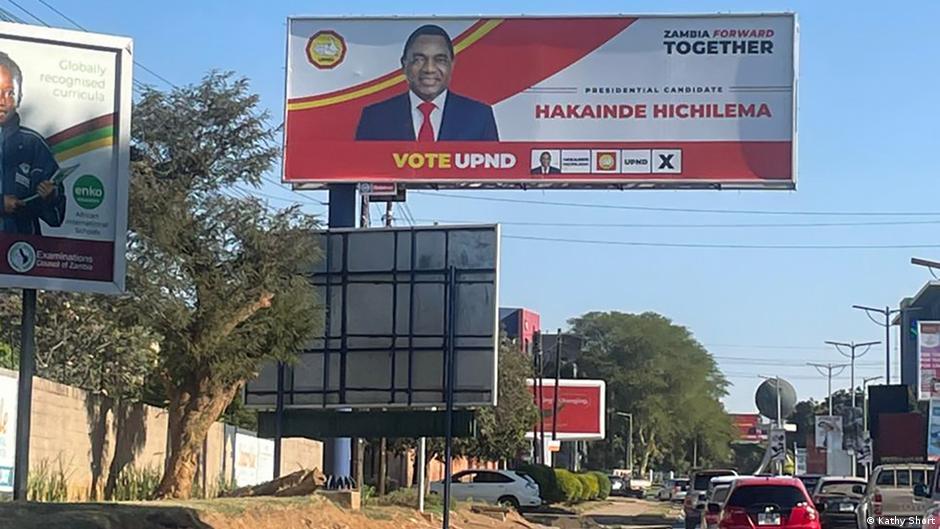
Zambians head to the polls in August with jobs and living costs at the top of their concerns. The outcome could also impact the ongoing global competition for critical minerals and redefine ties with China and the US. Zambia's general election is scheduled for August 13, 2026. For many Zambians, the main concerns are more jobs, particularly for young people. Inflationremains a major economic challenge, with double-digit price growth continuing to exacerbate the cost of living crisis. But the stakes go beyond Zambia's borders. The election result could impact investment in critical minerals and economic reforms. It could also shape Zambia's relationships with major global powers, such as the US, the EU, and China. Political parties are mobilizing nationwide, focusing on unemployment, poverty, electricity shortages, and healthcare. "These elections will shape Zambia's future and unity. Peace and stability are essential for economic growth and maintaining investor confidence in key sectors such as mining," Bizeck Jube Phiri, a historian and political analyst at the University of Zambia, told DW. Fourteen presidential candidates have been cleared to contest the election, underscoring Zambia's competitive political scene. Incumbent President Hakainde Hichilema of the ruling United Party for Development (UPND) is seeking a second term. Can Zambia's opposition deliver? To view this video please enable JavaScript, and consider upgrading to a web browser that supports HTML5 video His administration has prioritized debt restructuring and fiscal discipline.
He also hopes to attract more investment to mining. Supporters say these policies are strengthening the economy, while critics maintain the benefits have yet to reach ordinary households. Among President Hichilema's main challengers is Brian Mundubile, leader of the Tonse Pamodzi Alliance, campaigning on cost of living, job creation, and governance reforms. Other aspirants include Fred M'membe of the Socialist Party and Harry Kalaba of Citizens First. lawmaker Given Katuta is the only female candidate. Top issue on voters' minds For many Zambians, the election is about economic survival. Sydney Ngandu, a ruling party supporter, backs Hichilema's re-election. "President Hichilema is disciplined and hardworking. He should be given another term to continue developing the economy," Ngandu told DW. Frustration over rising prices is widespread. Security guard Richwell Mwambazi, an opposition supporter, said workers need urgent relief. "Life is difficult," Mwambazi said. "I want leaders who will improve wages, create jobs, and protect workers." Young voters are also demanding change. First-time voter Natasha Khazile told DW that her generation wants leaders who understand their struggles. "This is about the future we are inheriting. I want a leader who understands the challenges young people are facing, especially unemployment and the rising cost of living." Development expert Charity Musamba said tackling affordability must be the top priority. "The first issue this election should address is the cost-of-living crisis. People want solutions that will help them afford food and other necessities." Domestic issues aside, Zambia's election is attracting unusual international attention because of its role as Africa's second-largest copper producer, after the Democratic Republic of Congo (DRC).
 The BriefWire