Afghan Taliban clamp down on women, smartphones, protests
The Taliban are tightening the screws on women's clothing, shooting at protesters and ordering even their own officials to stop using smartphones. Behind the regime's
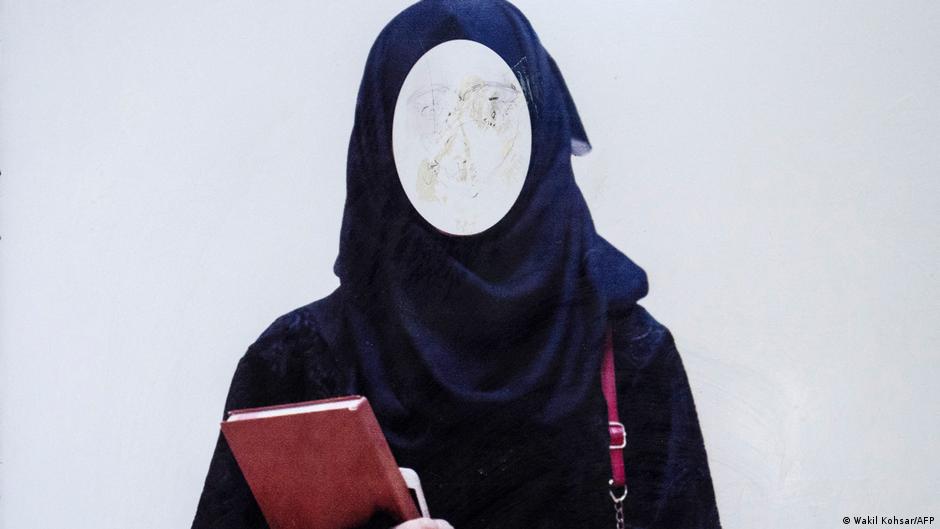
The Taliban are tightening the screws on women's clothing, shooting at protesters and ordering even their own officials to stop using smartphones. Behind the regime's omnipresent control, there are signs of deep anxiety. The news from Afghanistan — or at least the news that can be gleamed and pieced together through the screen of censorship imposed by the Taliban regime — is alarming. In early June, Taliban authorities detained at least 30 women in the western city of Herat over alleged violations of dress-code rules, according to the UN Assistance Mission in Afghanistan (UNAMA). The arrests triggered rare protests in Injil district, a predominantly Shiite area of Herat, a community already facing insecurity and discrimination at the hands of the extremist Sunni regime. Taliban forces responded with violence, shooting at protesters, according to UNAMA and human rights groups. At least two people were killed, including a child, and more than 20 others were injured. The Taliban have rejected reports of the arrests. But the news has sparked anger among women's rights activists and renewed concern about the regime's ever-expanding control on women and public spaces. Harsh dress codes hamper Afghan women's rights To view this video please enable JavaScript, and consider upgrading to a web browser that supports HTML5 video Herat protests show resistance Two female members of the Afghan Women's Movement Network, who asked to remain anonymous for security reasons, described the arrests as part of a broader system of repression. "Every woman arrested in Herat today is a symbol of the suffering of millions of Afghan women who live under the shadow of gender apartheid," one member told DW. "Women's freedom is their right. No to the Taliban!" Another member of the network said the Taliban were criminalizing women's most basic choices. "The Taliban are arresting women for the crime of choosing how to dress," she told DW. "This behavior is neither religious nor humane. It is oppression of women and a clear violation of human dignity." Out of Afghanistan: Roya Karimi’s road to Bodybuilding Elite To view this video please enable JavaScript, and consider upgrading to a web browser that supports HTML5 video The protests in Herat were therefore not only a response to the arrest of women.
They also showed that parts of Afghan society are still willing to challenge Taliban authority, despite the risks. "These protests also showcase the resistance of the Afghan people and Afghan women," Nigara Mirdad, a former Afghan diplomat and women's rights activist, told DW. She said they also highlight "the solidarity of Afghan men with the women of the country," adding that this challenges the narrative the Taliban have imposed through force and tyranny over the past five years. A symbolic fifth anniversary While Herat may seem as a local incident, it comes at a politically charged moment. In August, the Taliban will mark five years since their return to power. Their first stint in power, from 1996 to 2001, also lasted roughly five years before it collapsed after the US-led invasion in response to the September 11 attacks. Few observers expect a similar collapse now. The Taliban control state institutions, the security apparatus and most public life. Political opposition has been crushed. Independent media has been severely restricted. But the five-year mark carries historical weight. It reminds the people of Afghanistan that Taliban rule collapsed once before, despite appearing unshakable. Why the Taliban are tightening control Mohammad Osman Tariq, a religious scholar and deputy head of the Afghan Ulama Research Council, says the latest measures suggest anxiety inside the Taliban system. Exiled Afghanistan envoy still advocating for women's rights To view this video please enable JavaScript, and consider upgrading to a web browser that supports HTML5 video The Taliban present many of their restrictions on women as a religious matter. Tariq rejects this framing and argues that the clampdown is primarily about preserving power. "One reason why this current Taliban administration is tightening control and not allowing anyone — even women — to go out and protest, and why they even want to ban smartphones, is because they view all of this as a threat to their rule and existence," Tariq told DW. "Therefore, they are strictly avoiding it." He said the public mood in Afghanistan has changed since the first years of Taliban rule.
 The BriefWire