The furious dispute over what caused Air India flight 171 to crash
In theory, the inquiry should be impartial and informative – a learning process focused solely on improving passenger safety. But in the case of AI171
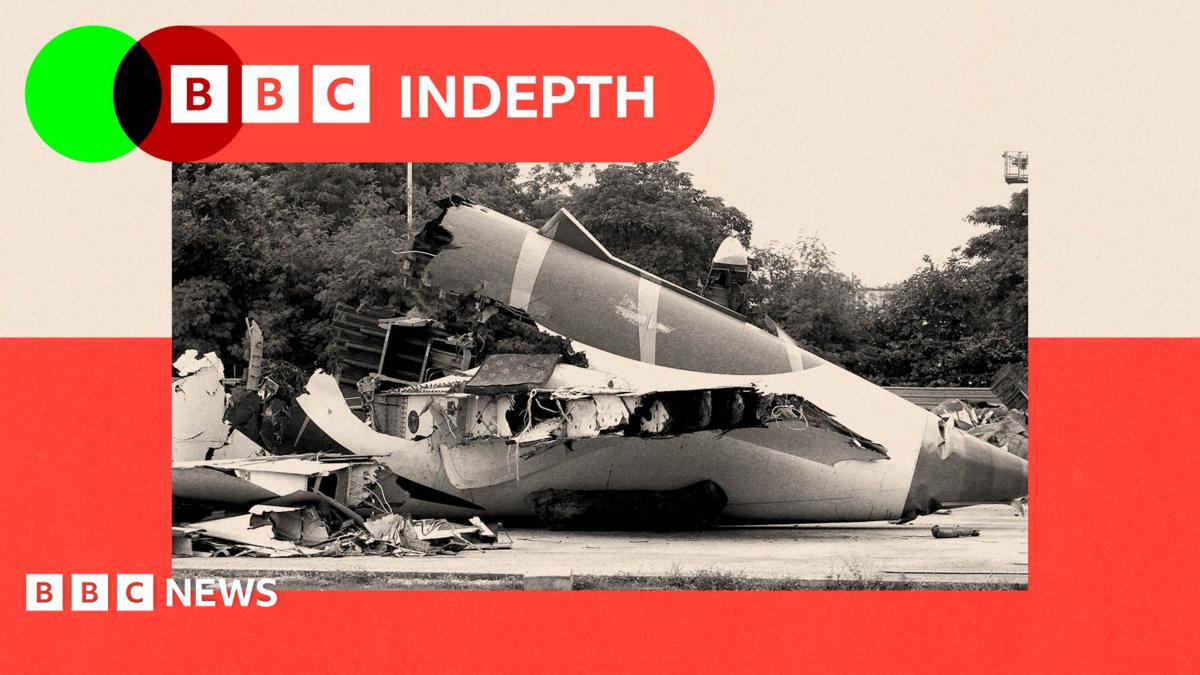
In theory, the inquiry should be impartial and informative – a learning process focused solely on improving passenger safety. But in the case of AI171, the information revealed by the investigation so far has triggered a major backlash from safety campaigners, pilots' groups and lawyers acting for the bereaved relatives. A key factor in this has been the preliminary report issued by the AAIB a month after the accident. The 15-page document did not draw any conclusions about the causes of the crash, or make any recommendations. Nonetheless, just two short paragraphs generated a great deal of controversy. First, it was noted that according to the aircraft's flight data recorder, the two fuel cutoff switches - normally used when starting the engines before a flight and shutting them down afterwards – transitioned from the run to the cutoff position seconds after take-off.
This would have deprived the engines of fuel, causing them to lose thrust rapidly. The report then says: "In the cockpit voice recording, one of the pilots is heard asking the other why did he cutoff. The other pilot responded that he did not do so." This brief statement, provided without a transcript or any indication of who was speaking, sparked intense speculation about the actions of the pilots. Newsweek, for example, focused on the "troubling possibility: that a seasoned captain may have deliberately doomed his jet – and nearly 250 lives". NTSB chairman Robert Sumwalt told CBS News the report showed "this was not a problem with the airplane or the engines. Instead…somebody in the cockpit shut the fuel off to those engines." A few days later, The Wall Street Journal weighed in.
Citing people familiar with the matter, it claimed that recordings of dialogue between the pilots suggested it was the Captain, Sumeet Sabharwal, who had flipped the fuel switches. It is important to note that this was merely a preliminary report, and within days, the AAIB issued a statement condemning "selective and unverified reporting" in the international press as "irresponsible". It urged the public and the media to "refrain from spreading premature narratives that risk undermining the integrity of the investigative process." By then, arguably, the damage had already been done. "When a pilot is alive he can defend himself" says Capt. CS Randhawa, president of the Federation of Indian Pilots (FIP). "When the pilot is dead, all the agencies can collude – and they put the blame on the pilot, to save the manufacturer.
And this is seen the world over. It's not the first time". His organisation, which represents around 6,000 pilots, condemned the preliminary report as "irrevocably compromised". Together with Sumeet Sabharwal's 91-year-old father, Pushkar Raj Sabharwal, they took their concerns to India's Supreme Court, demanding a judicial investigation into the crash.
 The BriefWire