Why I sold my business to my staff
A huge number of other US entrepreneurs are in the same boat as Salcido – they are approaching retirement age, and therefore having to decide
A huge number of other US entrepreneurs are in the same boat as Salcido – they are approaching retirement age, and therefore having to decide what to do with their businesses. The "baby boomer" owners of about six million American small and medium-sized companies will retire between now and 2035, says a report this year, external from business consulting firm McKinsey. Some commentators have dubbed this a "silver tsunami". McKinsey adds that this mass retirement will result in "a once-in-a-generation wave of ownership transitions". Ethan Rouen, associate professor at Harvard Business School, says: "I don't think a week goes by where I don't talk to an owner who is looking to sell their business." Their grown-up children often aren't interested in taking on the family venture, he adds.
Rouen and his Harvard colleagues believe a switch to employee ownership could help many firms survive, and that such a move often appeals to owners who care deeply about their employees, and worry about what would happen following a sale to a larger company or private equity firm. That was the case for William Stockwell, who wanted to protect the future of Stockwell Elastomerics, the Philadelphia-based manufacturer of industrial components that his great-grandfather started in 1919. Stockwell made the decision to sell to his employees after seeing what happened to other firms that had been bought out. "The new [outside] ownership might move the business, they might shut it down, or drastically change it in other ways, and the people remaining are stuck," he says.
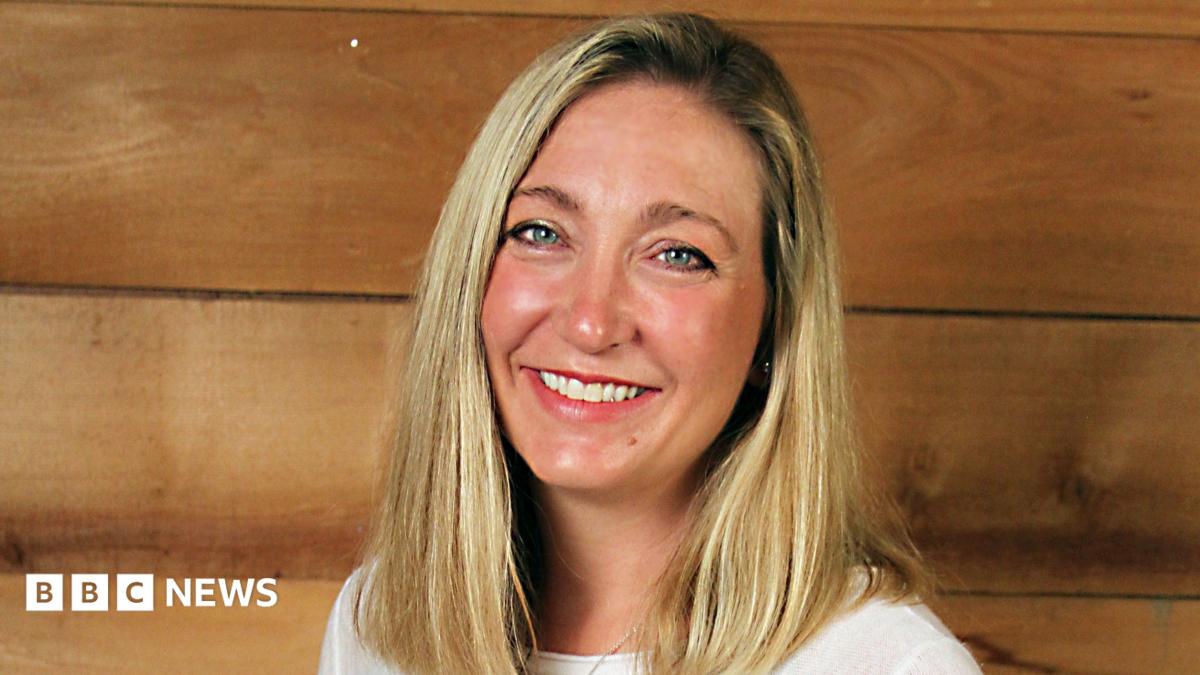
There are a number of different schemes available in the US by which a workforce can buy their company. At Softstar Shoes they used an Employee Ownership Trust (EOT). Under an EOT a trust is set up, which takes ownership of the business on behalf of the staff, removing the need for them to buy the business out of their own pockets. The trust then pays the former owner the agreed sale price of the business in instalments as a share of future profits. This means that Salcido has committed herself to a waiting game before she gets her money, with an element of risk on top – she needs the business to continue to be successful. "I carry the risk, in that if anything happens, I don't get paid," she says.
But she has faith in her team to deliver. They also get a share of annual profits. Stockwell, who now works part-time for Stockwell Elastomerics, opted for a slightly different method of transferring ownership to the staff – an Employee Stock Ownership Plan or ESOP. This also sees the business placed under trust ownership, but instead of staff sharing the annual profits, they get shares which they can only cash in when they leave the company. Meanwhile, the retiring owner also must wait for his or her money. "I'm accepting payments over 10 years," says Stockwell, who acknowledges he is making a "short-term financial sacrifice".
 The BriefWire