How 100 hospitals switched to pen and paper to defeat a national cyber-attack
One after another the calls came in from hospitals; criminals were infecting computer networks in a mass hack that was putting countless lives at risk
One after another the calls came in from hospitals; criminals were infecting computer networks in a mass hack that was putting countless lives at risk. At Bucharest's national cyber-security centre (DNSC) they watched helplessly as the hackers spread across Romania through a popular piece of medical software. Cyber-chief Dan Cimpean had a tough decision to make, but it was the only option they had.
The order went out to more than 100 hospitals. Disconnect from the internet, now. The cyber-attack on Romania's hospitals in February 2024 is one of the worst to target healthcare systems around the world, but these incidents are becoming increasingly common. Healthcare is now the most targeted area of critical national infrastructure, the FBI has said recently. Cutting off 100 hospitals in Romania from the internet stopped the hackers in their tracks, buying time to work out how bad the attack was.
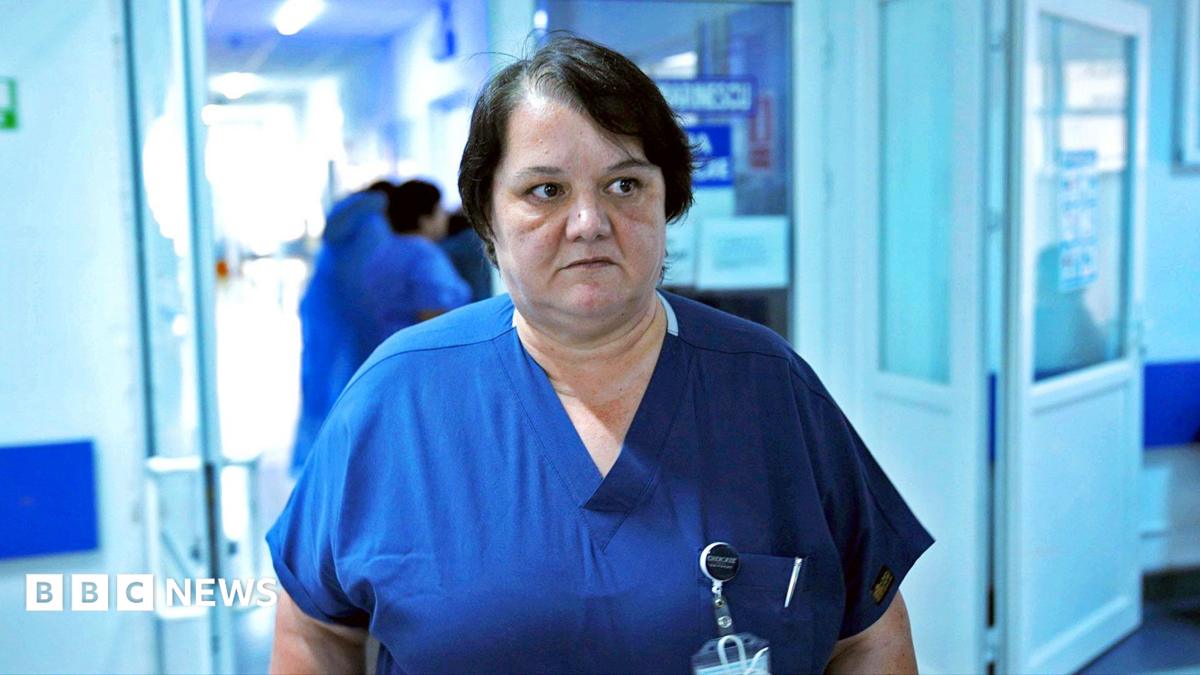
But it meant no connected devices, emails or web browsers. Medical staff had to switch to pen and paper, improvising workarounds to protect patients while IT teams scrambled and the national cyber response centre tried to find out how the hackers had got in - and how they could stop them. Their actions over four days from 10 February 2024, and those of the doctors and nurses, have been widely praised.
How they reacted and how they coped has become a test case for disaster planners internationally, as officials look for advice on responding to a mass hospital hack.
 The BriefWire