Powering resilience: How Indonesia is building a more secure energy future
In Indonesia, United Nations agencies have worked alongside the Government to build a more reliable and resilient energy system which is also helping communities to
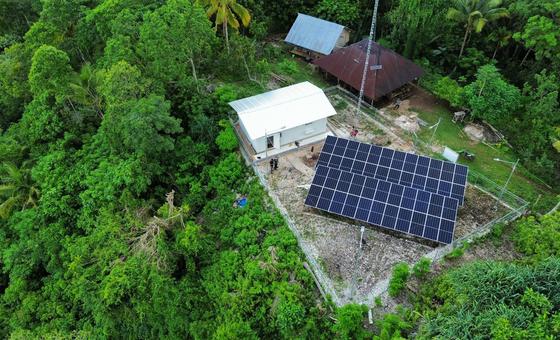
In Indonesia, United Nations agencies have worked alongside the Government to build a more reliable and resilient energy system which is also helping communities to adapt to a changing climate. Modernizing the electricity grid A reliable electricity grid is the backbone of energy security. To prepare for growing demand and integrate more renewable energy, the United Nations Office for Project Services (UNOPS) is working with the state-owned electricity company PLN to identify more than two gigawatts of solar energy potential that could be connected to the grid. Solar energy plus a new control centre will strengthen grid stability, reduce outages and lessen dependence on fossil fuels. UN Indonesia Using energy more efficiently One of the simplest ways to improve energy security is to reduce network losses. Working with government partners, UNOPS has supported energy-efficiency audits and policy reforms. These efforts help households, businesses and industries to optimize electricity use, which in turn lowers demand across the grid, ensuring more stable and affordable supply. Making industry less energy intensive Indonesia's industrial sector is one of the country's largest energy consumers, making efficiency gains particularly important. The United Nations Industrial Development Organization (UNIDO) is helping some of Indonesia's most energy-intensive industries cut energy use while improving productivity.
In the fertilizer sector, resource-efficient and cleaner production measures supported by UNIDO have helped participating companies avoid an estimated 328,000 tonnes of carbon emissions annually while reducing operating costs. UNIDO is also supporting the Ministry of Industry in developing eco-industrial parks, promoting energy efficiency, renewable energy use, wastewater recycling and improved waste management. Unlocking finance for the energy transition Indonesia has ambitious energy goals, including adding almost 43 gigawatts of renewable energy capacity by 2034. Achieving this target will require up to $188 billion in investment. © UNDP To attract capital for renewable energy projects, the United Nations Development Programme (UNDP) is working with the Government to develop innovative financing mechanisms, including blended finance approaches that combine public and private investment. Supporting workers through the transition Building a secure energy future is not only about technology and infrastructure. It also depends on people. The International Labour Organization (ILO) is helping regions across Indonesia prepare for the social and economic impacts of the energy transition. This includes identifying new employment opportunities, supporting skills development and protecting workers whose livelihoods may be affected by changes in the energy sector. By planning ahead, these initiatives help ensure that the transition strengthens communities rather than leaving workers behind.
 The BriefWire