Iran wants to sell oil to India after US waiver. Tankers are nearby, but will India buy?
Iran is moving quickly to reconnect with some of Asia's largest oil consumers, including India, after the United States granted a 60-day sanctions waiver, opening
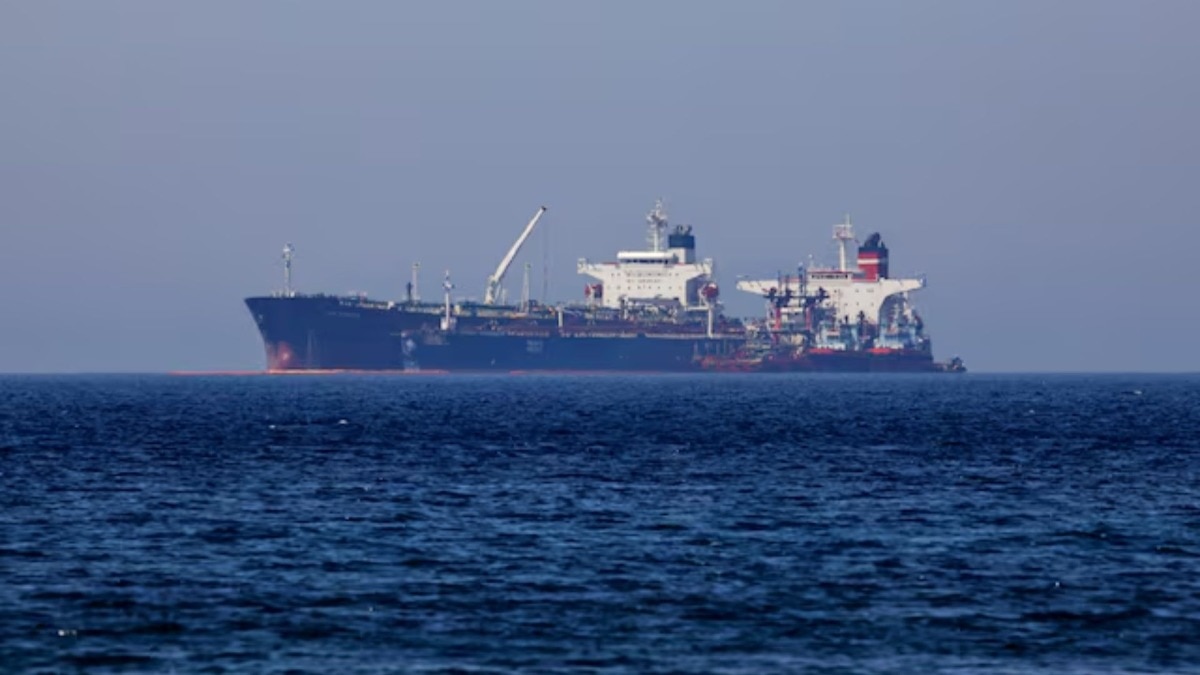
Iran is moving quickly to reconnect with some of Asia's largest oil consumers, including India, after the United States granted a 60-day sanctions waiver, opening a narrow window for Tehran to resume exports beyond its primary customer, China. According to Bloomberg, Iranian sellers, middlemen, and representatives of the Iranian Oil Company began reaching out to refiners in India, Japan, South Korea, and other Asian markets even before the waiver was officially announced, reflecting Tehran's urgency to restart trade and clear a growing stockpile of crude. Read Full Story At the heart of Iran's push is a massive volume of oil already floating at sea. Bloomberg, citing data from analytics firm Vortexa, reported that around 68 million barrels of Iranian crude and condensate were on tankers as of June 22. More than 80% of that volume reportedly has no clear destination, making it immediately available for potential buyers. With many of these cargoes already in regional waters, India is among the countries best positioned to take delivery quickly. The question, however, is whether India is ready to buy Iranian oil? For years, India was one of Iran's biggest oil customers before US sanctions forced refiners to halt purchases. While the new waiver theoretically allows trade to resume, Indian refiners are showing little urgency and may also not be willing to buy Iranian oil. Bloomberg reported that most Asian buyers have already secured alternative crude supplies after months of uncertainty surrounding shipping routes through the Strait of Hormuz.
Industry participants told Bloomberg that Indian refiners have largely covered their crude requirements through August, reducing the immediate need for Iranian oil. WHY ASIAN COUNTRIES MIGHT BE WARY OF IRANIAN OIL There are also concerns that the waiver might prove temporary. US policy toward Iran has shifted repeatedly in recent years, leaving buyers wary of entering into long-term agreements that could once again become subject to sanctions. In addition, European and British restrictions remain in force, creating complications for insurance, financing, and shipping. Many ports also remain reluctant to handle vessels associated with the "dark fleet" that has transported Iranian oil under sanctions. "The Asia market is unlikely to commit to Iranian crude imports while US policy on sanctions continues to flip-flop and the geopolitical situation remains highly fluid," Sumit Ritolia, Lead Analyst for Refining Supply and Modeling at Kpler, told Bloomberg. He noted that refiners across Asia, particularly outside China, have already secured additional crude supplies to ensure energy security. INDIAN SHORES CLOSER FOR IRANIAN CARGOES, BUT WILL NEW DELHI PURCHASE OIL? India occupies a unique position in Tehran's calculations to sell oil. Indian refiners have traditionally avoided sanctioned crude, but geography could work in Iran's favour, and it can also help Indian refiners have the negotiating cards. According to the Bloomberg report, some Iranian cargoes can reach Indian ports within just two to three days, making India one of the quickest destinations for the millions of barrels currently floating at sea.
 The BriefWire