Malayali filmmaker Kunjila Mascillamani on entering the TIFF Directors’ Lab for ‘Guptam’ and struggles of female indie filmmakers
Anticipations have been running high for Kunjila Mascillamani’s Guptam (The Last of Them Plagues) since ace filmmaker Payal Kapadia came on board for the film
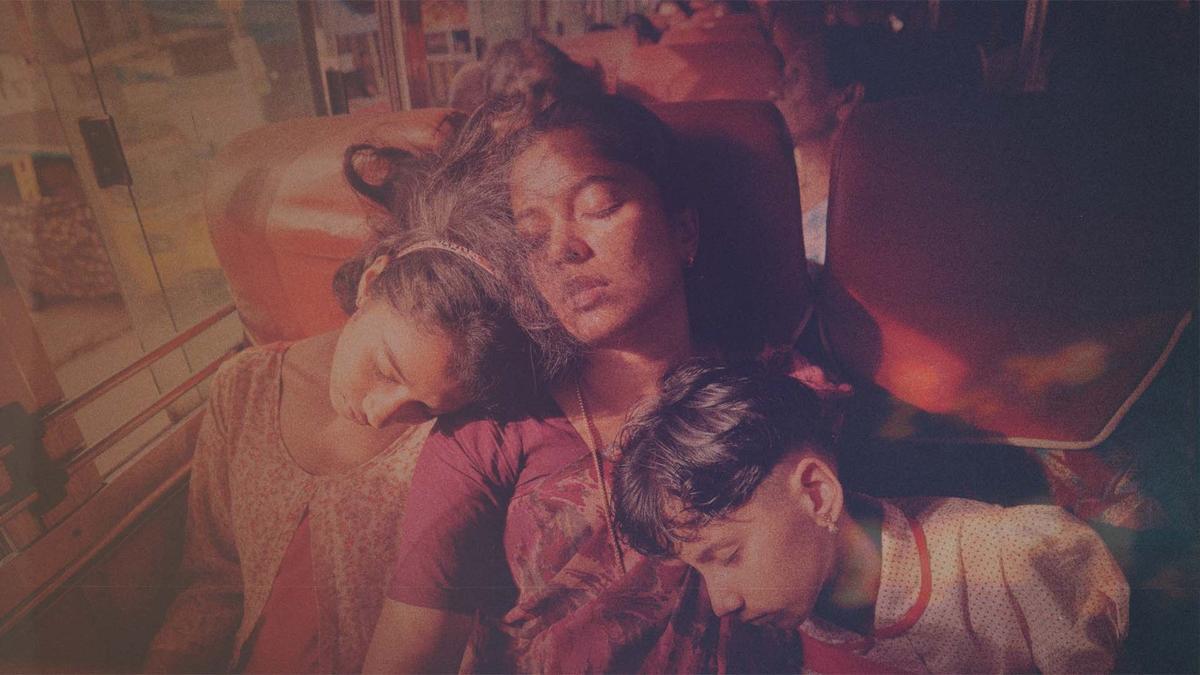
Anticipations have been running high for Kunjila Mascillamani’s Guptam (The Last of Them Plagues) since ace filmmaker Payal Kapadia came on board for the film in November 2024, when it was featured at the Film Bazaar Co-Production Market, by the Film Development Corporation of India, a platform that offers financial and artistic support for independent filmmakers. She joined a talented lineup of collaborators — Malayalam film director Jeo Baby, and actress Kani Kusruti, who headlined Payal’s award-winning film, All We Imagine as Light. Nearly a year later, Kunjila’s Guptam is still garnering global attention, and she is one of the 16 directors to participate in the Toronto International Film Festival’s (TIFF) Directors’ Lab. Guptam is also among the 30 official selections for the Asian Project Market at Busan International Film Festival, South Korea, which begins on September 20. “It feels great. I have never been outside India, attended TIFF or met any practising foreign filmmakers. It was an extremely enriching experience as far as my cinematic practice is concerned,” says Kunjila. Set in 1999, Guptam develops in Kunnamkulam in Thrissur district. It explores the life of a single, working mother who moves to the city with her older daughter, after her younger daughter goes mysteriously missing at a graveyard. “The protagonist is a woman from Kozhikode and is different from the rest of the people in her locality. For instance, she is the only woman there, wearing a churidar,” says Kunjila.
“All she does is look for her daughter, yet she ruffles a lot of feathers in her locality, coming across as an aberration in the community.” According to Guptam’s logline (a two-sentence summary of the film), the film is set in ‘Keralam’, with ‘god’s wrath’ (with an intentional small letter g) unleashed upon the residents of the village allegedly due to the protagonist, and she needs to prove her innocence to them. Kunjila credits the story idea to an epiphany she had, calling her mother “a remarkably resilient woman and a trailblazer in her own way. I wondered at her superhuman efforts to raise two girls all by herself in a highly moralistic society like Keralam,” she says in the director’s statement for TIFF, terming women “accidental revolutionaries”. She adds, “Guptam is a tribute to their battles.” When asked about creating films with strong female leads, Kunjila remarks, “I don’t always get the opportunity to tell the stories I want to narrate, so this public image remains that I only tell stories about powerful women. I am interested in making horror movies and thrillers, and some of them may be about kickass women, given the numerous amazing women around us. It is not a conscious choice; it is only because female filmmakers have often been stereotyped to make films about women.” Kunjila’s last directorial project, Asanghadithar, one of the five short films in the 2022 anthology film Freedom Fight, presented the plight of women working in shops at SM Street, Kozhikode, to access toilet facilities, based on a 2009 protest led by P Viji, a tailor-turned-activist.
 The BriefWire