Lucknow fire probe flags excess power load in building
The commercial building in Lucknow where a devastating fire claimed 15 lives was operating with an electricity load far above its approved capacity, according to
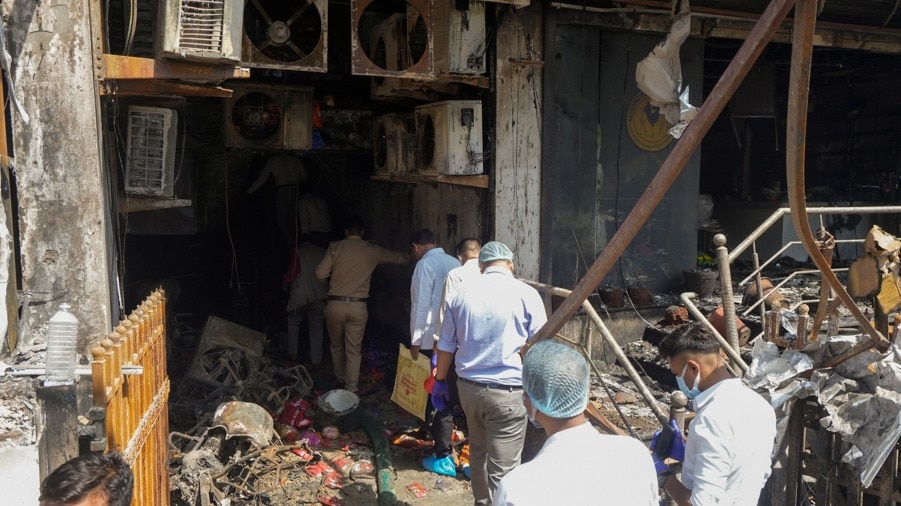
The commercial building in Lucknow where a devastating fire claimed 15 lives was operating with an electricity load far above its approved capacity, according to preliminary findings of an ongoing investigation. Officials examining the tragedy found that the building had a sanctioned commercial electricity load of 20 kilowatts. However, records show its actual load had risen to 34.10 kVA by June, putting the building's electrical infrastructure under scrutiny. Read Full Story The findings have emerged a day after a massive fire tore through the three-storey building in Aliganj's Sector D, trapping students, employees and visitors inside. Most of those killed were young students and professionals associated with an animation training centre and studio operating from the upper floors of the building. The fire triggered desperate scenes as trapped occupants called friends and family for help, some reportedly taking shelter inside bathrooms while others searched for escape routes through windows and adjoining structures.
Now, investigators are examining whether warning signs existed long before the tragedy. According to records being reviewed as part of the probe, the building's electricity load had already reached 24.30 kVA in April before increasing further over the following months. Experts associated with the investigation say sustained consumption beyond sanctioned limits can place additional pressure on electrical wiring, transformers and related infrastructure. Officials are also examining whether the intense summer heat may have further increased stress on the system. The Directorate of Electrical Safety and the Lucknow Electricity Supply Administration (LESA) have launched a technical investigation into the incident. One of the key questions before investigators is why no action was reportedly taken despite overloads being recorded for several months. Authorities are examining whether any process was initiated to regularise or enhance the sanctioned load and whether notices should have been issued regarding the excess consumption.
Investigators are also looking into why power supply was not interrupted through the building's Miniature Circuit Breaker (MCB) despite the reported increase in load. Local residents have claimed that tenants had repeatedly complained about MCB tripping and electricity-related issues. Some have alleged that these complaints were not taken seriously. As more portions of the building were rented out over the years, electricity consumption is believed to have increased steadily, prompting fresh questions about inspections and oversight. Another unusual detail has surfaced during the investigation. According to officials, records linked to the building's electricity connection reportedly mention January 1, 1911, instead of the year 2000. Authorities are examining the discrepancy as part of the ongoing inquiry. Officials are also verifying whether all necessary permissions were in place and whether any No Objection Certificate (NOC), if issued, was renewed periodically.
 The BriefWire