Dollar Door Opens For Iranian Oil: Why US Relief For Tehran Could Redraw World's Economic Map
Dollar Door Opens For Iranian Oil: Why US Relief For Tehran Could Redraw World's Economic Map Written By, Last Updated: June 23, 2026, 10:26 IST
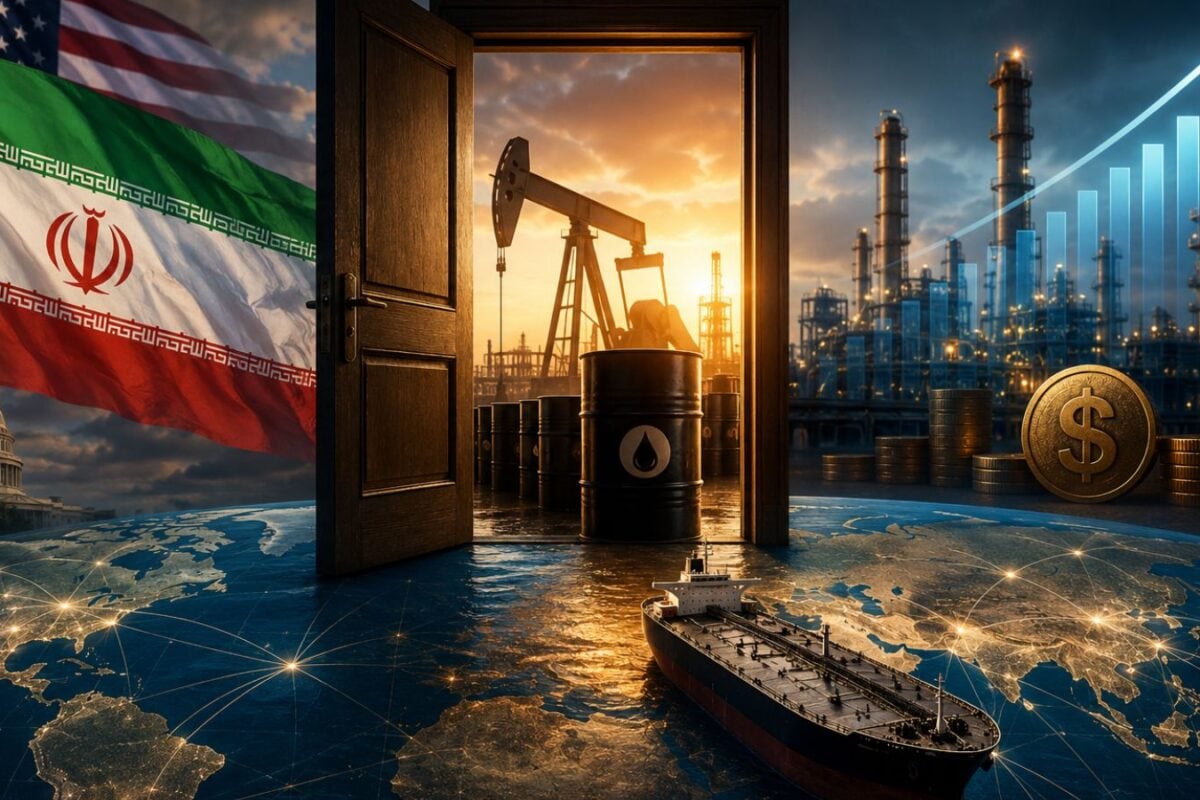
Dollar Door Opens For Iranian Oil: Why US Relief For Tehran Could Redraw World's Economic Map Written By, Last Updated: June 23, 2026, 10:26 IST Oil exports account for major share of Iran's foreign exchange earnings. Access to dollar-denominated transactions makes it easier for Iran to receive payment & stabilise reserves Rapid Read Access to dollar-denominated transactions makes it easier for Iran to receive payment, stabilise reserves and finance imports. (AI-Generated Image) For decades, cutting Iran off from the US dollar was one of Washington’s most potent economic weapons. Even when Tehran managed to keep exporting oil despite sanctions, it was largely forced to operate through opaque networks, alternative currencies and complex financial arrangements that made every transaction costlier. That may now be changing. As part of a tentative diplomatic breakthrough reached after talks in Switzerland, the United States has issued a temporary sanctions waiver allowing Iran to sell oil in dollars for the first time in decades. The move, coupled with plans to restore international nuclear inspections, marks one of the most significant economic concessions offered to Tehran since Washington abandoned the 2015 nuclear deal. The decision has implications far beyond the oil market. For Iran, it offers a potential economic lifeline at a time of mounting financial pressure. For the United States, it represents a calculated gamble that limited sanctions relief can secure nuclear transparency and regional stability. And for global energy markets, it could mean the return of more Iranian crude to legitimate international trade. Why Is It A Big Deal? Iran has never completely stopped selling oil. Even under sanctions, it continued exporting crude, primarily to China, through a network of intermediaries, discounted sales and non-dollar payment arrangements.
What sanctions did was make those sales cumbersome and expensive. ALSO READ | Trump Threatens Action If Iran Fails To Honour Agreement With US: ‘Will Do What I Have To Do’ Being cut off from the dollar system meant payments often had to be settled in local currencies, transactions moved through opaque banking channels, revenue was harder to repatriate, shipping and insurance costs rose sharply, and buyers faced the risk of secondary US sanctions. The new waiver removes many of those frictions, at least temporarily. By allowing banking transactions linked to Iranian oil sales, Washington is effectively reconnecting part of Iran’s energy trade to the global financial system. What Does It Mean For Iran’s Economy? For Tehran, the economic implications could be substantial. Oil exports account for a major share of Iran’s foreign exchange earnings. Access to dollar-denominated transactions makes it easier for Iran to receive payment, stabilise reserves and finance imports. The Wall Street Journal reported that the waiver also allows Tehran to reap the financial benefits of legitimate banking channels rather than relying on the costly “shadow fleet" and sanctions-evasion networks that have dominated its oil trade in recent years. The agreement could also help Iran increase oil production, expand exports beyond existing buyers, improve government revenues, ease pressure on the Iranian rial, and reduce transaction costs across the energy sector. ALSO READ | Oil Surplus Ahead? Could Cheaper Petrol Be Coming To India? Why Hormuz Holds The Key Some Iranian and international analysts speaking to The Wall Street Journal have described the move as the most significant sanctions easing since the US withdrew from the 2015 nuclear deal and re-imposed restrictions in 2018.
 The BriefWire