Who Are Nihang Sikhs? History, Tradition And Warrior Order In Focus After Uttarakhand Gurdwara Standoff
Who Are Nihang Sikhs? History, Tradition And Warrior Order In Focus After Uttarakhand Gurdwara Standoff Published By, Last Updated: June 23, 2026, 09:56 IST Nihang
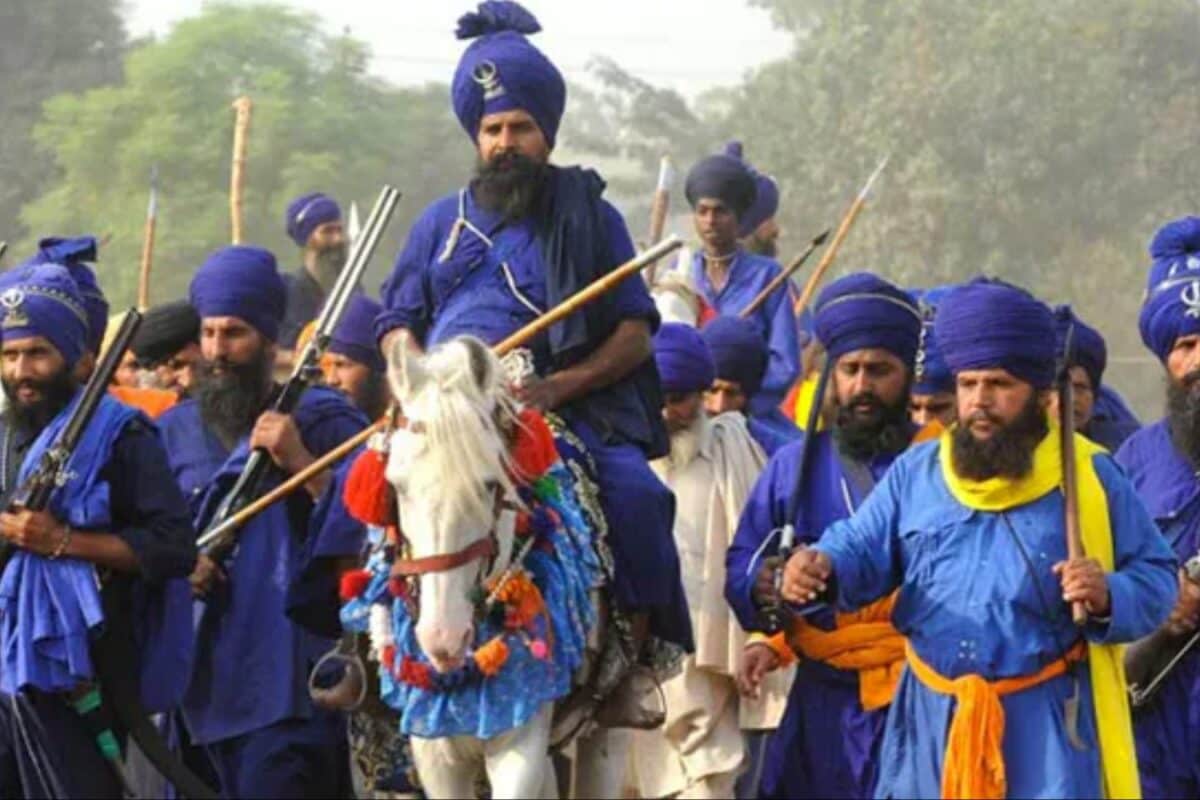
Who Are Nihang Sikhs? History, Tradition And Warrior Order In Focus After Uttarakhand Gurdwara Standoff Published By, Last Updated: June 23, 2026, 09:56 IST Nihang Sikhs, known for their martial traditions and distinctive blue attire, trace their roots to the Sikh Gurus and remain a prominent warrior order today. A file photo of Nihang Sikhs (AP) The ongoing standoff involving a group of Nihang Sikhs at Nagarasu Gurdwara in Uttarakhand’s Rudraprayag district has once again brought national attention to one of Sikhism’s most distinctive and historically significant warrior traditions. While recent headlines have focused on the confrontation between the Nihangs and the administration, the Nihang order itself has a centuries-old history rooted in Sikh military and religious traditions. Around half a dozen Nihang Sikhs had occupied the roof of the Nagarasu Gurdwara while demanding the release of fellow Nihangs arrested following a clash in Karnaprayag earlier this month. Police said on Monday that talks were yielding positive results and that two Nihangs had already come down from the roof. The administration has maintained that the Hemkund Sahib pilgrimage and religious activities at the gurdwara continue peacefully. ORIGINS OF THE NIHANG ORDER Nihangs, also known as Akali Nihangs, are a traditional Sikh warrior order whose origins are generally traced to the militarisation of the Sikh community under the Sikh Gurus.
Historians and Sikh scholars associate their emergence with the martial traditions established by Guru Hargobind, the sixth Sikh Guru, and later strengthened by Guru Gobind Singh, the founder of the Khalsa in 1699. The word “Akali" means “immortal" or “belonging to the Timeless One (Akal)," while the term “Nihang" is often interpreted as fearless, unattached and ever-ready for battle. Traditionally, Nihangs served as the armed defenders of the Sikh faith and played a crucial role during periods of conflict in northern India. DISTINCTIVE APPEARANCE Nihang Sikhs are instantly recognisable by their deep blue attire, large turbans known as dumalas and the weapons they carry as part of their martial tradition. Their turbans are often adorned with steel quoits known as chakrams, while swords, spears and other traditional weapons form an important part of their identity. The blue colour has long been associated with the warrior traditions of the Khalsa. Many Nihangs continue to preserve customs, dress codes and practices that they believe closely reflect the lifestyle of Sikh warriors during the era of the Gurus. ROLE IN SIKH HISTORY The Nihangs earned a formidable reputation during the 18th century when Sikh forces faced repeated invasions and persecution.
 The BriefWire