335 Days Behind Bars: Why The Jailing Of Bangladesh’s Former Chief Justice Matters
335 Days Behind Bars: Why The Jailing Of Bangladesh’s Chief Justice Matters Reported By, Last Updated: June 23, 2026, 08:42 IST Democracies must distinguish between
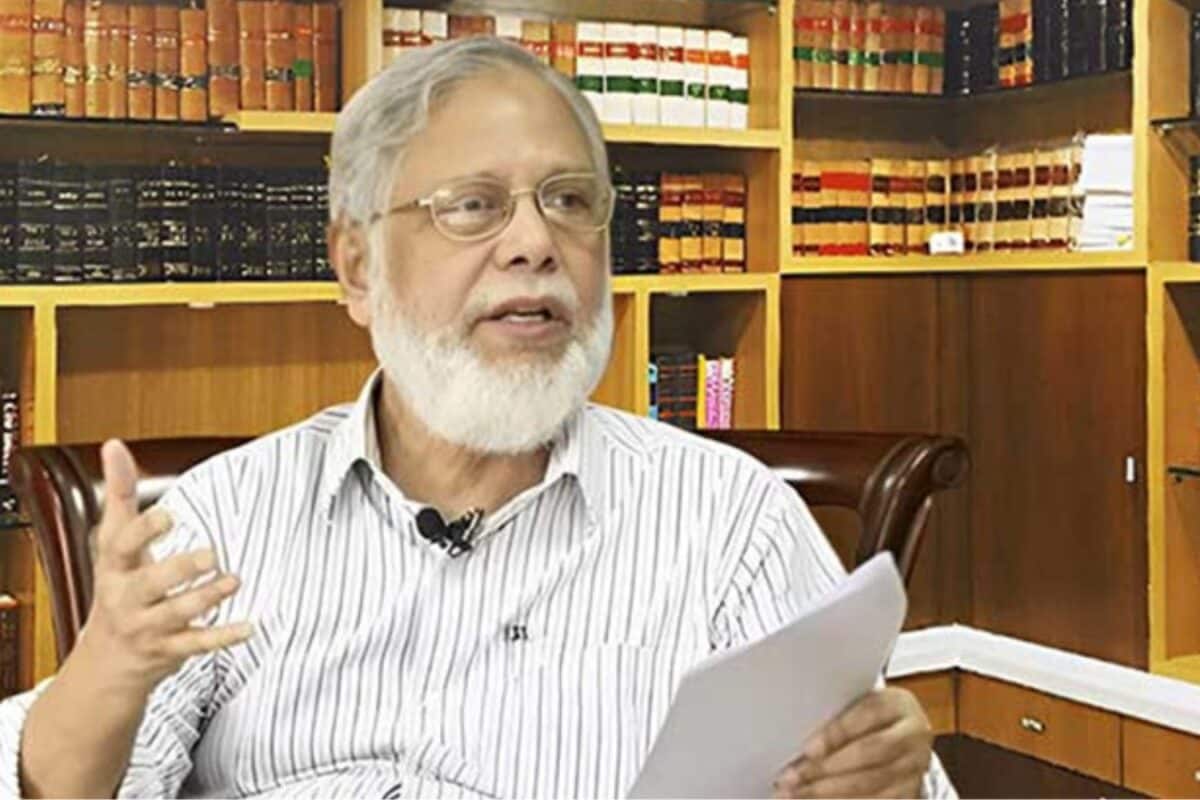
335 Days Behind Bars: Why The Jailing Of Bangladesh’s Chief Justice Matters Reported By, Last Updated: June 23, 2026, 08:42 IST Democracies must distinguish between punishing a person for alleged crimes and punishing a jurist for the consequences of a judicial decision Rapid Read Bangladesh Chief Justice ABM Khairul Haque. (X) The imprisonment of former Bangladesh Chief Justice ABM Khairul Haque has evolved into something larger than just a criminal case. Whether one agrees with his judicial record or not, the continued detention of 335 days and counting of an 82-year-old former head of the judiciary raises uncomfortable questions about the relationship between law, politics, and judicial independence in contemporary Bangladesh. Justice Haque is no ordinary litigant. He is a former Chief Justice whose judgments shaped some of the most consequential constitutional debates in Bangladesh’s history. According to his supporters, his detention stems not merely from criminal allegations but from political resentment over his role in the landmark verdict on the 13th Amendment and the caretaker government system. His critics, meanwhile, argue that no individual, however distinguished, should be beyond legal scrutiny. Both can be true. Democracies should have room to investigate their judges too. But the facts that have emerged are troubling. Justice Haque, now 82, reportedly suffers from multiple age-related ailments that have worsened during his incarceration. His supporters note that although the Appellate Division upheld bail in several cases, he continues to remain imprisoned because of fresh additional cases that are slapped on him to keep him in detention and whose proceedings continue in lower courts.
They describe this as a “revolving door" of litigation that effectively prevents his release. Whether or not one accepts that characterisation, the optics are difficult to ignore: a former Chief Justice, elderly and reportedly in declining health, remains behind bars despite obtaining relief in some proceedings. The symbolism matters. Courts derive their authority from public confidence across the globe. So, when a former Chief Justice appears unable to secure the protections that the legal system ordinarily guarantees, observers inevitably begin asking what message is being sent to serving judges. The concern is not merely about one individual; it is about whether judicial office offers any protection from future political retaliation once a judge leaves the bench. Mohibul Hassan Chowdhoury, who was Bangladesh’s education minister in the Sheikh Hasina Cabinet, tells News18, “It is a message to the entire judiciary in Bangladesh that if you show spine in politically sensitive cases, your fate will be the same as his. The BNP-Jamat-NCP are together in this. Internationally, no such instances can be heard in a functioning democracy where a Chief Justice is jailed like that. Even Amnesty International has taken cognisance of this case." Justice Haque’s legacy itself is deeply contested. His supporters point to a career marked by constitutional interventions, environmental rulings, gender-rights judgments, and decisions that challenged the legal foundations of military rule. They also emphasise his role in compensation efforts following the Rana Plaza disaster and his reputation for personal transparency.
 The BriefWire