Jobs, Industry, Identity: Finance Minister Swapan Dasgupta On BJP's Bengal Vision | Exclusive
Jobs, Industry, Identity: Finance Minister Swapan Dasgupta On BJP's Bengal Vision | Exclusive Reported By, Edited By Last Updated: June 23, 2026, 08:20 IST At
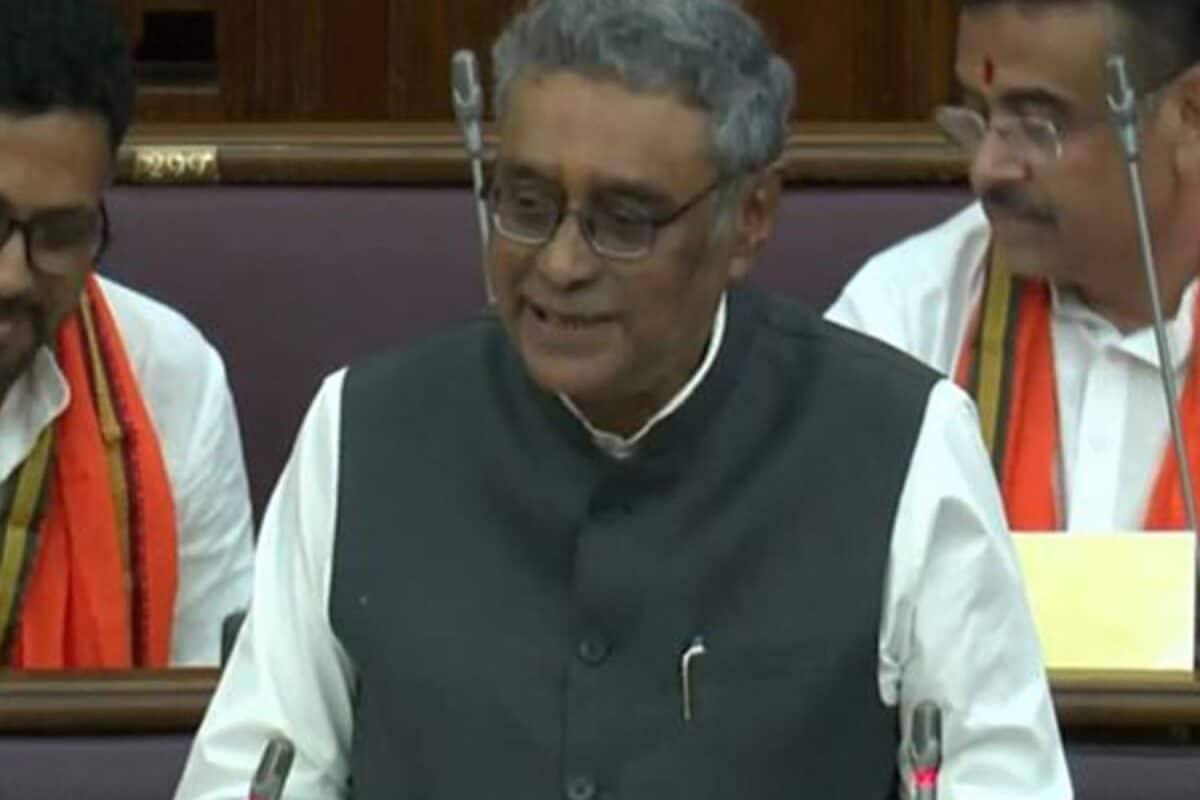
Jobs, Industry, Identity: Finance Minister Swapan Dasgupta On BJP's Bengal Vision | Exclusive Reported By, Edited By Last Updated: June 23, 2026, 08:20 IST At the heart of the government’s pitch is a promise to restore confidence among businesses wary of investing in the state & young Bengalis looking for opportunities closer to home Rapid Read Finance Minister Swapan Dasgupta presents BJP's first Bengal budget. (PTI) The BJP government’s first full budget in West Bengal is as much a political statement as it is an economic roadmap. Presented amid high expectations following the party’s ascent to power, the budget seeks to address some of Bengal’s most persistent challenges—sluggish industrial growth, outmigration of young talent, investor hesitancy and a mounting debt burden. At the heart of the government’s pitch is a promise to restore confidence: confidence among businesses wary of investing in the state, among young Bengalis looking for opportunities closer to home, and among citizens who feel Bengal has fallen behind its potential. The budget pairs economic proposals such as a strengthened single-window clearance system and action against the syndicate culture with a broader emphasis on governance reforms and regional development. In an exclusive conversation with News18, finance minister Swapan Dasgupta explains the thinking behind the government’s first budget, the strategy for attracting investment, tackling corruption and reviving North Bengal, as well as the ideological vision underpinning initiatives such as the Syama Prasad Mookerjee holiday and the proposed Vande Mataram Museum. Edited Excerpts What was the core goal behind this budget?
Every budget reflects the aspirations of the people who elected a government. People have voted for us with great expectations. We believe Bengal’s economic and institutional foundations have been severely damaged over the years. Education has suffered, young people have been forced to leave the state in search of opportunities, and investor confidence has eroded. The perception problem is real. Many people still recall that if a company like Tata could not continue its project in Singur, it sent a negative signal to potential investors. As a result, industrial growth did not take off. This budget seeks to address those concerns and restore confidence among citizens and investors alike. The budget proposes a strengthened single-window clearance mechanism. How will it work? We are committed to making it effective in the true sense of the term. Businesses have often complained that obtaining approvals—from fire licences to various regulatory clearances—involved delays and corruption. Before the budget, I visited Asansol, where entrepreneurs told me they had to spend enormous amounts of money merely to secure a fire licence. That system has to change. Our goal is that if someone wants to establish an industry, all required clearances should be processed within a month through a transparent and accountable system. You have announced legal measures against the syndicate system. How serious is the government about this? We are extremely serious. The proposed legislation demonstrates how committed we are to attracting investment and ensuring zero tolerance towards syndicate practices. Industrialists need confidence that they can operate without intimidation or unofficial costs.
 The BriefWire