Malay proverb of the day on humility and resilience: Follow the nature of the rice plant; the more grains it bears, the lower it bows
Proverb of the day: The more grains it bears, the lower it bows Origin of this Malay proverb Empty vessels make the most noise Why
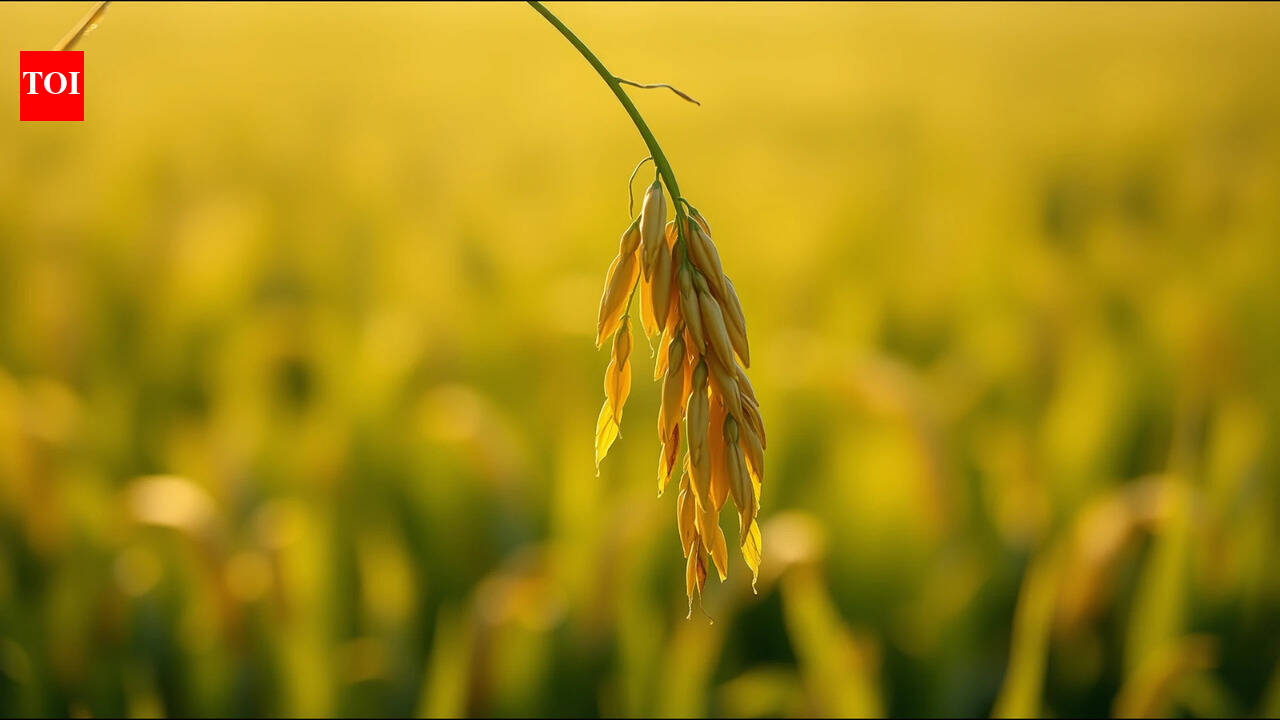
Proverb of the day: The more grains it bears, the lower it bows Origin of this Malay proverb Empty vessels make the most noise Why does this proverb ring so true even outside Malay culture? Magnificent but humble Some evergreen sayings are there in all countries and cultures; only the words are different and local. In the traditional villages of the Malay Archipelago, wealth was historically measured not in gold coins or digital ledger balances, but in the yield of the wet rice paddies. Rice was the lifecycle, the sustenance, and the direct link between human labor and the favor of nature. From this intimate, generations-long relationship with agriculture emerged one of the most culturally significant pieces of Southeast Asian wisdom:Today's Malay proverb of the day is: "Ikut resmi padi, makin berisi makin tunduk."Follow the nature of the rice plant; the more grains it bears, the lower it bows.This proverb serves as a foundational ethical guide across Malaysia, Indonesia, Brunei, and Singapore. It addresses a universal human vulnerability: the tendency for pride to inflate alongside personal achievement. Through the elegant mechanics of a simple stalk of rice, the proverb provides a timeless framework for understanding why true stature is always accompanied by humility.To understand the origin of this proverb, one must look at the physical landscape of traditional Malay agrarian life.Unlike nomadic or hunting cultures, rice farmers were bound to a meticulous, communal cycle. Planting, irrigating, weeding, and harvesting required absolute cooperation among villagers.During the early stages of the rice lifecycle, the stalks stand straight, green, and completely rigid.
At this point, the head of the plant is empty. It has no substance, no weight, and no real value to the community. Yet, it sticks straight up into the air, seemingly proud and demanding attention.As the season progresses, the grains fill with starch, turning a rich, heavy golden hue. As the plant reaches its peak value — possessing the very grain that will sustain the village through the coming months—the sheer weight of its own success forces the stalk to bend downward, bowing gracefully toward the mud from which it grew.The ancestral farmers observed this physical reality and recognized it as a flawless mirror for human character. They saw that the upright, rigid stalk was a symbol of the ignorant, the empty, and the boastful. Conversely, the bowing stalk was the physical manifestation of wisdom, capability, and maturity.What this Malay proverb intends to convey is nothing new. There are many similar sayings in English: like empty vessels make the most noise. The meaning is that an empty person feels a subconscious need to project importance. Because they lack internal depth, knowledge, or genuine achievements, they stand rigid—much like the empty rice stalk. They boast, inflate their credentials, and look down on others to artificially elevate their own status.True success, however, changes a person's center of gravity. When you genuinely possess knowledge, wealth, or high status, you no longer feel the desperate urge to prove it to the world. The internal substance creates a natural, unforced weight that anchors you, manifesting externally as a quiet, dignified modesty.But the allegory of the rice makes it stand out and is so rooted in Malay culture.The mature rice plant bows directly toward the earth and the water that nourished its roots.
 The BriefWire