Rs 38,000 crore at stake: Delhi govt vs discoms court battle over audit continues
The Delhi High Court on Monday declined to interfere with the Delhi government's proposal to initiate a Comptroller and Auditor General (CAG) audit of the
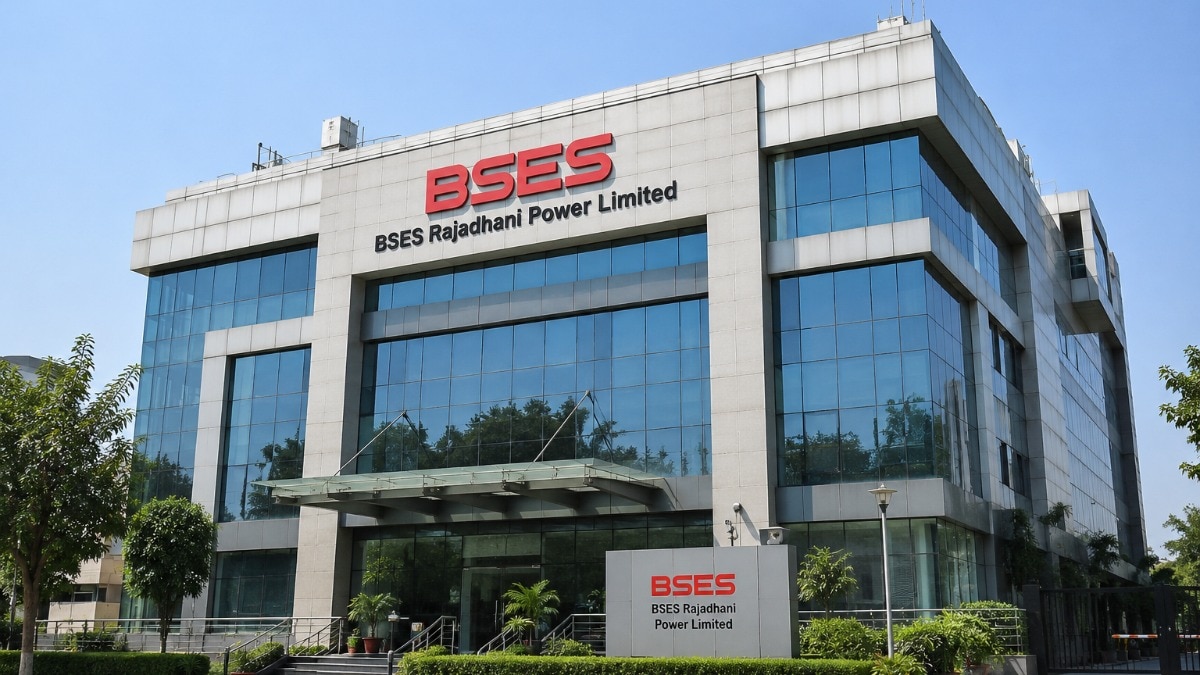
The Delhi High Court on Monday declined to interfere with the Delhi government's proposal to initiate a Comptroller and Auditor General (CAG) audit of the national capital's major power distribution companies, BSES Rajdhani Power Ltd and BSES Yamuna Power Ltd, holding that the challenge was premature as no audit had yet commenced. A vacation bench of Justice Tejas Karia dismissed BSES Rajdhani's petition, observing that the June 6 notice issued by the Delhi government under the CAG Act was merely a preliminary step giving the discoms an opportunity to present their objections before any decision is taken on entrusting the audit to the CAG. Read Full Story The order comes amid a multi-forum legal battle over more than Rs 38,000 crore in accumulated regulatory assets, with proceedings currently pending before the Supreme Court, the Appellate Tribunal for Electricity (APTEL) and the Delhi High Court. "The Impugned Notice, therefore, cannot be regarded as adverse to the Petitioners. Rather, it is in furtherance of the statutory requirement under Section 20(3) of the CAG Act, which contemplates an opportunity of being heard before entrustment of audit to the CAG by the Hon’ble LieutenantGovernor," the court observed. Dismissing the petition on maintainability grounds, the High Court reiterated that courts ordinarily do not interfere with a show-cause notice unless it is shown to be without jurisdiction, perverse or otherwise legally unsustainable. RS 38,000 CRORE REGULATORY ASSETS IN FOCUS The case centres on "regulatory assets", which are dues owed to power distribution companies when electricity tariffs are kept below the actual cost of supply due to regulatory or government policy decisions.
In its 2025 judgment, the Supreme Court directed electricity regulators across the country to take steps to liquidate such accumulated regulatory assets. In Delhi alone, the outstanding regulatory assets exceed Rs 38,000 crore. While the Delhi government has sought a CAG audit of the discoms, the companies contend that the Supreme Court envisaged an independent audit by a chartered accountant, not by the constitutional auditor. The June 6 notice directed BSES Rajdhani and BSES Yamuna to submit written representations and appear before the government regarding the proposal to entrust the audit to the CAG under Section 20 of the CAG Act. Monday's High Court order effectively cleared the way for those proceedings. LARGER LEGAL QUESTION OPENS While refusing to quash the notice, the High Court also addressed the discoms' broader challenge to the legality of a CAG audit. BSES relied on the Delhi High Court's 2015 judgment in the URJA case, which ruled that the CAG did not have the mandate to audit private power distribution companies (discoms) in the capital under the existing provisions of the Electricity Act. It further submitted that the Supreme Court's 2025 ruling on regulatory assets required the Delhi Electricity Regulatory Commission (DERC) to appoint an independent chartered accountant to examine the issue. The High Court, however, observed that there was "no legal impediment" to the Delhi government or the DERC initiating the process for a CAG audit, provided the requirements of Section 20 of the CAG Act are complied with. The court also noted that the Supreme Court's regulatory assets judgment did not specify which agency should conduct the audit.
 The BriefWire