Keir Starmer resigns: How Brexit pushed 6 UK PMs out the exit door in 10 years
From Cameron to Starmer, every prime minister since 2016 has been shaped in some way by Brexit (Photo credit: AP) Six prime ministers, one wound
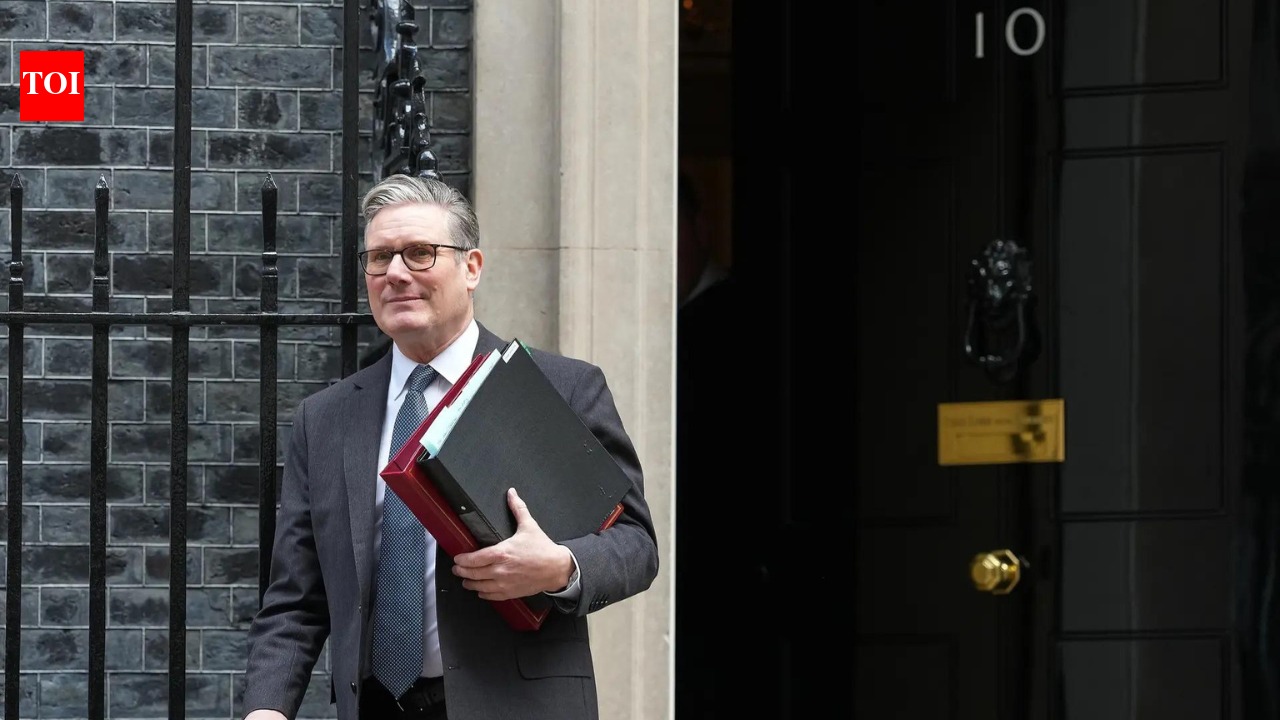
From Cameron to Starmer, every prime minister since 2016 has been shaped in some way by Brexit (Photo credit: AP) Six prime ministers, one wound The man who promised stability, and couldn't deliver it Having won a freakish majority, Sir Keir made little use of it. He left scant impression on our kingdom and is likely to be filed among history’s feeblest non-entity PMs. Quentin Letts in an Op-ed for the Daily Mail. Brexit's bill comes due Reform rising, Labour falling What comes next Once again, a British prime minister walked out of Number 10 Downing Street to announce an early departure. As Keir Starmer confirmed he would step down after less than two years in office, one familiar resident remained unmoved by the drama: Larry the Cat, Downing Street’s long-serving feline, now preparing to welcome a seventh prime minister during his tenure.Starmer’s resignation is the latest chapter in a remarkable decade of political instability that began with the Brexit referendum in 2016. Since Britons voted to leave the European Union, six prime ministers have come and gone: David Cameron, Theresa May, Boris Johnson, Liz Truss, Rishi Sunak and now Starmer. Each entered office promising solutions to the country’s challenges, only to find themselves battling the political and economic aftershocks of Brexit.The churn at the top has been relentless. David Cameron (2010–2016) resigned the morning after the referendum result came in. Theresa May (2016–2019) spent three bruising years trying to pass a withdrawal agreement that Parliament rejected six times before she too quit. Boris Johnson (2019–2022) eventually secured a deal, only to be toppled by a cascade of self-inflicted scandals. Liz Truss (2022) lasted just 45 days, her tenure ending in a catastrophic mini-budget that sent the pound into freefall.Rishi Sunak (2022–2024) attempted a reset, but could not overcome the accumulated exhaustion the electorate felt towards the Conservative Party.Starmer arrived in July 2024 carrying the promise of an ending.
Labour's landslide 411 seats out of 650 was the largest parliamentary majority in a generation. Standing on the steps of Downing Street, he pledged to "restore respect to politics" and lead a government of "public service". After years of soap opera, Britain wanted boring. Starmer intended to deliver it.He did not.Starmer's selling point was his very lack of drama. A former human rights lawyer who rose to become Director of Public Prosecutions — Britain's chief prosecutor — he entered Parliament in 2015 at the age of 52. He was methodical, forensic, and deeply serious.The early signs were not good. A furore over accepting free gifts, designer spectacles, Taylor Swift concert tickets, damaged him before he had properly begun. Policy reversals followed, including a deeply unpopular decision to cut winter fuel payments to pensioners. His popularity, already fragile — Labour had won with only 34% of the popular vote, many of those ballots cast by voters angered at the Conservatives rather than enthused by Labour, never really recovered.What ultimately finished him was the appointment of Lord Peter Mandelson as Britain's ambassador to Washington. Mandelson, a veteran Labour figure, was seen as well-placed to navigate Donald Trump's second term. It seemed shrewd. It proved catastrophic. Documents published in September 2025 revealed the depth of Mandelson's ties to the convicted sex offender Jeffrey Epstein. Starmer sacked him, but further revelations followed — including suggestions that Mandelson had shared sensitive government information with Epstein — and the crisis deepened. The final blow came when it emerged Mandelson had been appointed despite failing security checks for the role. Starmer's insistence that he had not known rang increasingly hollow.Starmer's downfall unfolded against an economic backdrop that Brexit has done much to shape. A landmark study by economists at Stanford University and the Bank of England, published ahead of the referendum's tenth anniversary, estimates that Brexit has reduced UK GDP by between 6% and 8% over the past decade.
 The BriefWire