Germany and UK rebuilding ties 10 years after Brexit vote
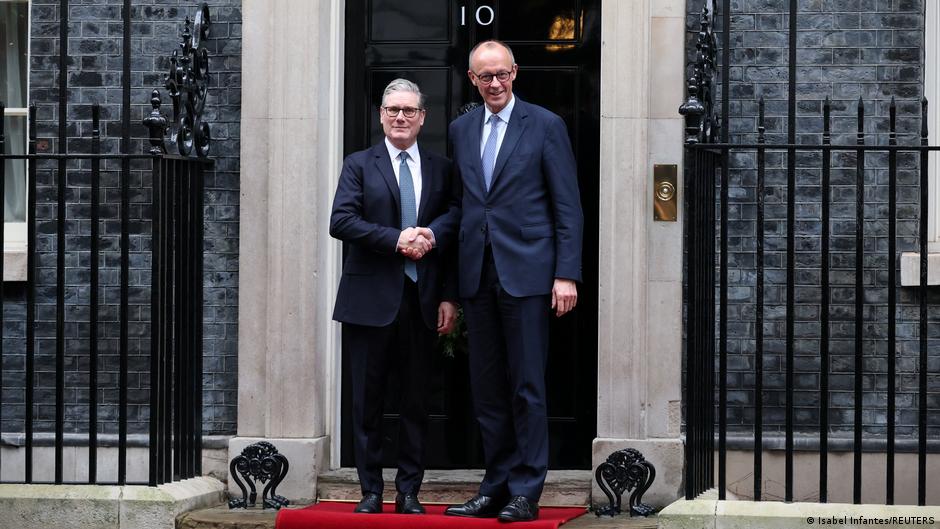
Ten years after the referendum, the two countries are strengthening their ties once again. The stability of these ties is now being put to the
Ten years after the referendum, the two countries are strengthening their ties once again. The stability of these ties is now being put to the test with Keir Starmer to be replaced as prime minister. Following intense pressure from his fellow Labour Party members, British Prime Minister Keir Starmer has announced his resignation. In Berlin, the news of Starmer's departure has left some feeling a bit heavy-hearted. "For the German government, Keir Starmer has always been a reliable and close partner on foreign policy issues, especially concerning Ukraine," said government spokesperson Stefan Kornelius on Monday (June 22). And German politicians are well aware that it was Starmer, in particular, who worked to rebuild relations with the EU, especially with Germany, in the wake of Brexit. It has now been ten years since Britain held a referendum on leaving the EU. When the results were announced on the morning of June 24, 2016, shockwaves rippled through the European Union — and especially Germany. Just under 52% had voted to leave the European Union, while 48% voted against it. The then-German Foreign Minister and current Federal President Frank-Walter Steinmeier called it a "disaster," while then-Chancellor Angela Merkel described it as a profound turning point for Europe. Bye-bye Love: Reactions to Brexit To view this video please enable JavaScript, and consider upgrading to a web browser that supports HTML5 video Few in Germany had been anticipating such an outcome. For most politicians and journalists, leaving the EU, and with it the benefits of the European single market, simply seemed too outlandish. However, the British campaign to "take back control" — led primarily by Boris Johnson of the Conservative Party — had been seriously underestimated, especially in Germany. Supporters of Brexit also wanted to reassert control over immigration.
On this issue, Germany bore some significance for the outcome of the referendum. Merkel's open-border policy, implemented in September 2015, meant that naturalized migrants automatically had the right to settle in the United Kingdom as well. "Migration policy was a decisive factor in the Brexit decision," says Christophe Fricker of the University of Bristol in England, who has published extensively on the topic of Brexit. However, he also pointed out, "It's ironic that since Brexit, immigration figures have risen significantly once again — just not from the EU." German-British trade has plummeted After years of negotiations, the United Kingdom officially left the European Union on January 31, 2020, but it was not until January 1, 2021, that the country finally severed all ties with the single market and the customs union. Perhaps the best indication of what has changed since is how trade between Germany and the United Kingdom has been affected. According to the German Chamber of Industry and Commerce, trade has declined significantly since Brexit. While the United Kingdom was Germany's fifth-largest trading partner in 2016, today it ranks only ninth. However, according to Christophe Fricker, Germany has not only lost a strong trade partner: "What we've lost is a strong defense partner. This is now the key issue around which cooperation is beginning again. And, of course, we've lost friends. There used to be very, very close relationships, both on a personal level and across civil society. And that has become more difficult and less frequent." He laments that, for German youth, the United Kingdom has simply "vanished off the map." UK,Germany back Ukraine amid tensions over US peace plan To view this video please enable JavaScript, and consider upgrading to a web browser that supports HTML5 video New cooperation in defense In the meantime, however, the two countries have been moving closer together for some time now.
 The BriefWire