How inflation undermines Nigeria's sugar tax
Nigeria's sugary drinks tax was meant to stop rising diabetes rates, but soaring inflation has eroded its impact. Experts say the levy is too small
Nigeria's sugary drinks tax was meant to stop rising diabetes rates, but soaring inflation has eroded its impact. Experts say the levy is too small to change behavior and urge higher rates and reforms. Non-communicable diseases (NCDs) account for 29% of deaths in Nigeria and place a heavy burden on the country's health systems, according to the World Health Organization (WHO). Leading experts warn that NCDs are quietly becoming a major health concern, particularly in cities where ultra-processed foods high in salt, unhealthy fats, and sugar have become increasingly common. Approximately 11 million Nigerians are living with diabetes, but millions more are likely undiagnosed. The country currently ranks among the leading African countries in terms of prevalence. In 2022, the Nigerian government introduced a tax on sugar-sweetened beverages (SSB) to curb the rising cases of diabetes and other diet-related non-communicable diseases (NCDs). The tax, at 10 Naira ($0.65, €0.57 cents) per liter, was expected to discourage excessive sugar consumption while generating revenue for healthcare. But four years later, public health advocates and economists say the levy has become too weak to influence consumer behavior and change health outcomes. As Nigeria's inflation" soars and drives up the cost of goods, it raises questions about whether the country's SSB tax is functioning as an effective health policy. "Nigeria's 10 (Naira) per liter, which translates to barely 2% of the retail price, is pocket change, not policy," Ikemesit Effiong, Managing Partner at SBM Intelligence, told DW, alluding to the WHO-recommended 20%. Some experts say increasing the current SSB excise tax from 10 Naira per liter to 130 Naira would raise retail prices by about 39% and potentially reduce annual per-capita sugary beverage consumption by 29%.
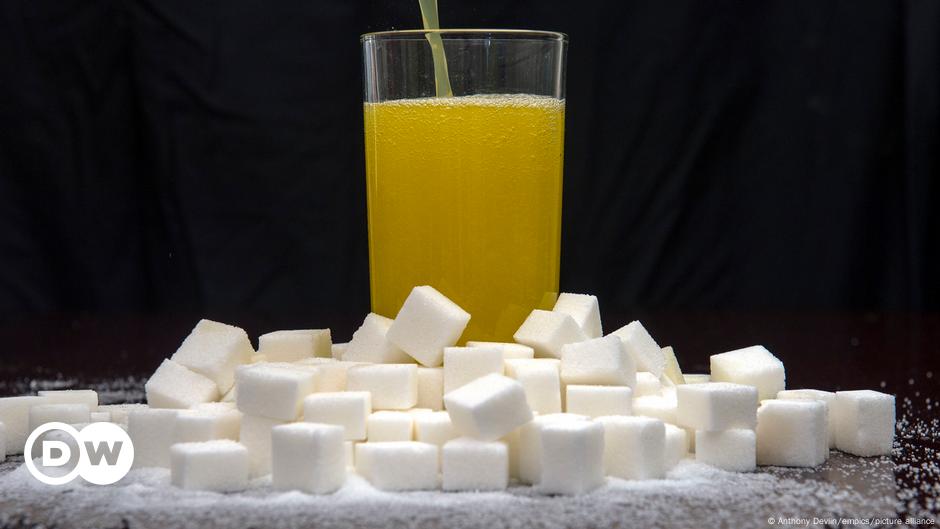
Nigeria's Coordinating Minister of Health and Social Welfare, Muhammad Pate, noted that the government could secure at least 40% of the revenue generated to fund health programs. Nigeria faces a silent diabetes epidemic To view this video please enable JavaScript, and consider upgrading to a web browser that supports HTML5 video According to a study led by the Center for the Study of Economies of Africa on SSB consumption patterns in the country, Nigeria ranks 4th globally in SSB consumption, with annual sales of about 38.6 million liters (10.2 million gallons) and a projected market value growth of 16.63% Impact of inflation on Nigeria's sugar tax Since the tax was introduced, Nigeria has experienced a cocktail of economic shocks, especially following the removal of the fuel subsidy, which has further exacerbated the country's cost-of-living crisis. Food prices have soared, while the prices of beverages and household items have equally climbed sharply. For many Nigerians, the cost of soft drinks has more than doubled over the last few years, largely due to inflation and rising production costs rather than the sugar tax itself. "The common drink size in the country is 50cl (centiliter) or smaller, meaning the tax adds only about 5 Naira or less per bottle. Because it is not percentage-based, the levy does not adjust for inflation or manufacturers' price hikes. So, its impact erodes over time," Opeyemi Ibitoye, Program Officer on SSB Tax Campaign at the Corporate Accountability and Public Participation Africa (CAPPA)," told DW. High consumption of sugar and sweetened beverages is linked to type 2 diabetes Image: Peter Byrne/empics/picture alliance The SSB tax currently represents just 2% of a bottle's cost, down from 6.7% five years ago, when the tax was introduced, Adewunmi Emoruwa, Lead Strategist at Gatefield, said.
 The BriefWire