Why is Bulgaria threatening to veto EU's Russia sanctions?
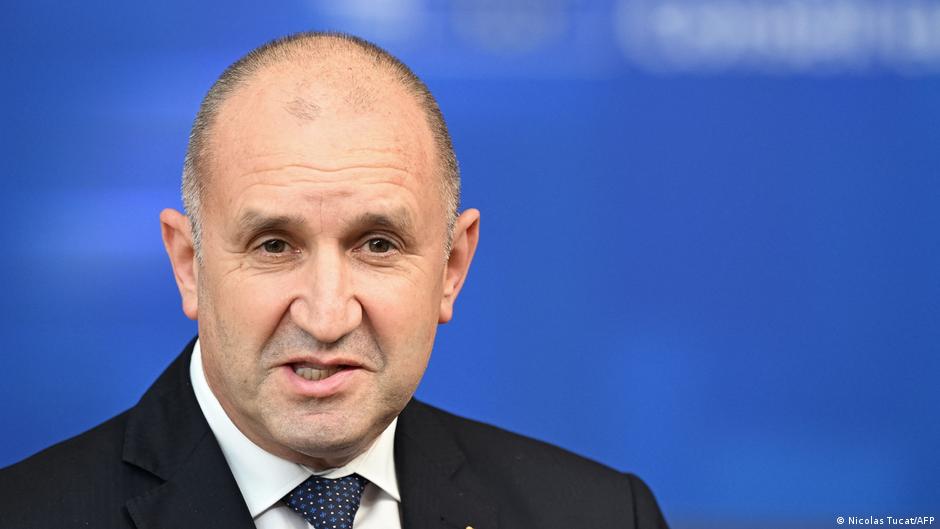
Bulgarian PM Rumen Radev has vowed to veto the EU's latest sanctions against Russia because they include Russian Orthodox Patriarch Kirill and former Lukoil president
Bulgarian PM Rumen Radev has vowed to veto the EU's latest sanctions against Russia because they include Russian Orthodox Patriarch Kirill and former Lukoil president Vagit Alekperov. What's behind his opposition? When the EU moved to include Patriarch Kirill, the head of the Russian Orthodox Church, and former Lukoil president Vagit Alekperov in its latest package of sanctions against Russia, only one member state objected: Bulgaria. During his first European Council meeting as Bulgarian prime minister on June 18, Rumen Radev said his country would veto the package, which includes 34 individuals and 47 entities, unless both Russians were removed from the list. While Radev supported the opening of EU accession talks with Ukraine and met Ukrainian President Volodymyr Zelenskyy in Brussels to discuss energy security and drone manufacturing, he also publicly defended the Russian Orthodox Church's role in Bulgarian history and described Alekperov as someone who had invested "resources and efforts" in Bulgaria's sole oil refinery. Radev's veto threat comes just nine days after Bulgaria banned state arms supplies to Kyiv and days after a Russian drone struck the Kyiv Pechersk Lavra monastery, raising concerns that Bulgaria's foreign policy may increasingly prioritize domestic affairs over EU unity on Russia. What is Bulgaria's link to Lukoil? "We won't allow sanctions that harm Bulgaria and its economy," Radev told Bulgarian journalists in Brussels in a doorstep interview on June 18. Vagit Alekperov (pictured here in 2021) stepped down as president of Lukoil and resigned from its board of directors in 2022 Image: Sergei Ilnitsky/AP/picture alliance He said the measures could disrupt supplies of fertilizers and spare parts for the Sofia metro but added that his main concern was the risk to Lukoil's oil refinery operations in Burgas. Following US sanctions on the Russian company in 2025, Bulgaria took control of its domestic operations by appointing a special state administrator.
In response, Litasco, Lukoil's Swiss subsidiary and the formal owner of its Bulgarian assets, argued that the move was unlawful expropriation and warned it could pursue legal remedies. Why the objection to sanctions against Alekperov? According to Bularia's Economics Minister Aleksander Pulev, the dispute could expose Bulgaria to up to €3 billion ($3.43 billion) in liability. Although local media report that there is as yet no official confirmation of arbitration, Radev pointed to the potential dispute to argue that sanctioning Lukoil founder Vagit Alekperov, who stepped down as company president and resigned from its board of directors in 2022, would be akin to "shooting oneself in the foot." The prime minister fell short of explaining how sanctions against Alekperov would affect Lukoil's operations in Bulgaria or why defending him in Brussels would influence any potential legal dispute. Radev's religious arguments While Radev advocated for politics to stay out of religious questions, he also said the Bulgarian Orthodox Church should have a say on sanctions against Russian Patriarch Kirill. Patriarch Kirill, head of the Russian Orthodox Church (right, pictured here with Vladimir Putin), is seen as a loyal supporter of Russia's war in Ukraine Image: Vyacheslav Prokofyev/AFP However, seeing as Bulgaria is constitutionally a secular state, the Church has no say on Bulgaria's foreign policy. Confronted with the fact that the Russian patriarch is one of the most loyal supporters of Russia's aggression in Ukraine, Radev replied that he "does not care about him but about the Russian Orthodox Church itself." He then linked his opposition to the sanctions to the Church's contribution to Bulgaria's liberation from Ottoman rule following the Russo-Turkish war in 1878, saying that "we are one family." Patriarch Kirill avoided sanctions in 2022 after the then Hungarian prime minister, Viktor Orban, threatened to veto another EU sanctions package against Russia.
 The BriefWire