Why Bengal's DA Was So Far Behind Central Rates: The Fiscal Stress, Deferred Hikes Explained
Why Bengal's DA Was So Far Behind Central Rates: The Fiscal Stress, Deferred Hikes Explained Written By, Last Updated: June 22, 2026, 17:20 IST Bengal
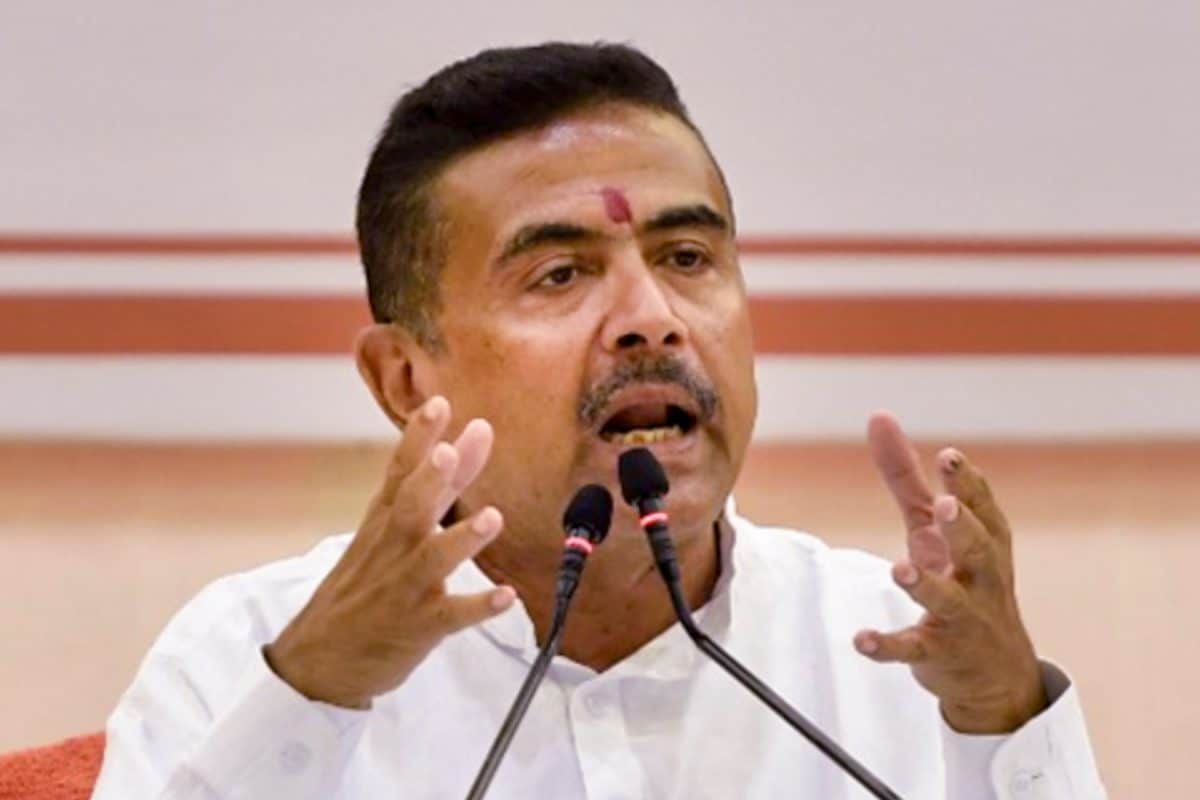
Why Bengal's DA Was So Far Behind Central Rates: The Fiscal Stress, Deferred Hikes Explained Written By, Last Updated: June 22, 2026, 17:20 IST Bengal announces 20% DA hike: Experts call the rates a product of severe institutional debt, heavy spending on social welfare programs, and delays in adopting newer Pay Commissions Rapid Read West Bengal CM Suvendu Adhikari. (PTI/File) Finance Minister Swapan Dasgupta on Monday announced an unprecedented 20% DA hike for serving employees and retired pensioners. Why has West Bengal’s Dearness Allowance (DA) lagged behind Central Government rates? Experts call it a product of severe institutional debt, heavy spending on social welfare programs, and systemic delays in adopting newer Pay Commissions. Historically, this created a substantial financial gap where central employees received significantly higher inflation adjustments than their state counterparts. However, a landmark Supreme Court mandate in early 2026 legally solidified DA as an employee right, ultimately forcing structural policy shifts. Reasons behind the historical DA disparity 1. Pay Commission Disconnect: While Central Government employees transitioned to the 7th Pay Commission (and prepared for the 8th), West Bengal long operated under the older 6th Pay Commission rules (Revision of Pay and Allowances, or ROPA 2009).
Under the 6th Pay Commission framework, state DA calculation baselines were fundamentally lower, keeping the percentage rates stagnant. 2. Deep-Rooted Fiscal Stress and Institutional Debt: West Bengal has battled an accumulation of debt for decades, spanning the 34-year Left Front regime and intensifying under the Trinamool Congress (TMC) administration. According to reports by NITI Aayog, West Bengal’s revenue deficit (hovering around 2.6% of GSDP) and fiscal deficit (3.3%–4.0%) regularly breached the average limits of other Indian states. The administration frequently argued in court that it lacked the financial liquidity to clear massive employee liabilities. 3. Prioritisation of Social Welfare Over Revenue Expenditure: The state committed a massive portion of its revenue receipts to cash transfer programs and heavily funded public subsidies. Spending billions annually on popular public welfare initiatives left nominal cash reserves to fund routine hikes in salary components like DA for the state’s estimated 12 to 20 lakh employees and pensioners. The legal turning point The crisis reached its peak when employee unions, including the Confederation of State Government Employees, initiated a prolonged legal battle.
 The BriefWire