From Brexit To 'Bregret': Why More Britons Now Think Leaving The EU Was A Mistake
From Brexit To 'Bregret': Why More Britons Now Think Leaving The EU Was A Mistake Written By, Last Updated: June 22, 2026, 16:21 IST A
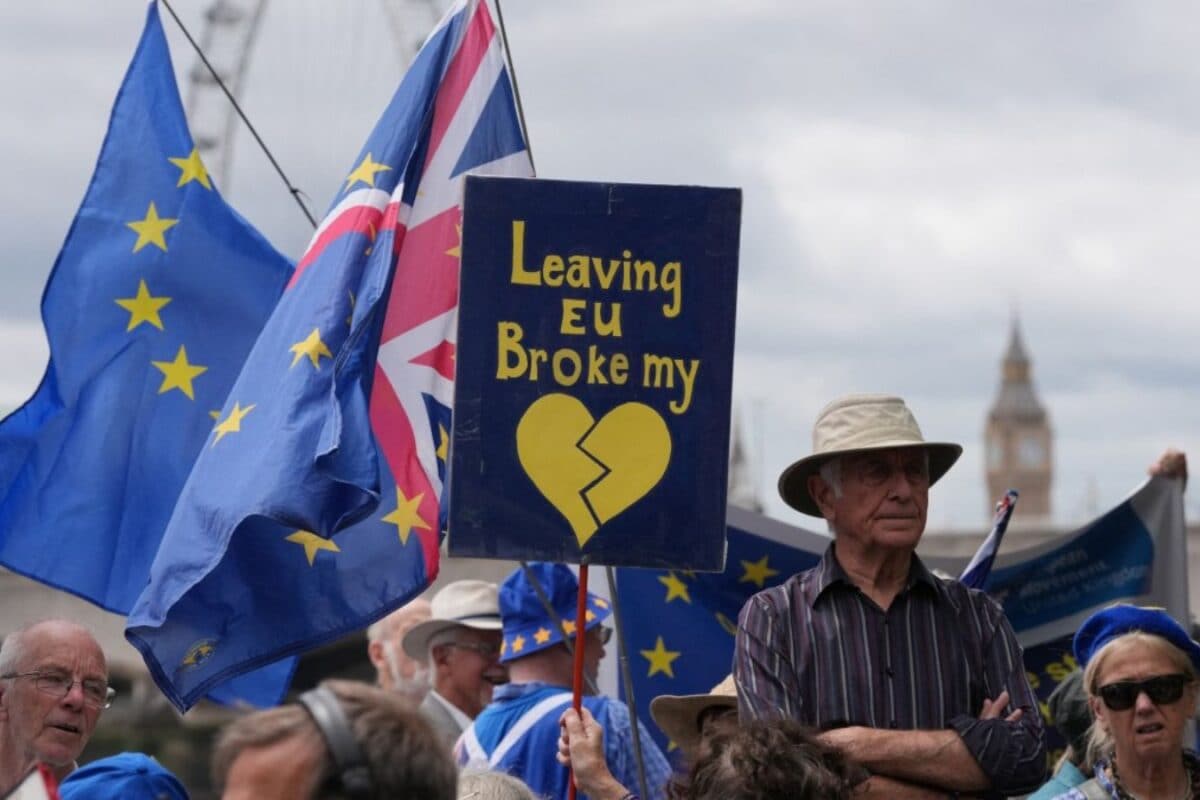
From Brexit To 'Bregret': Why More Britons Now Think Leaving The EU Was A Mistake Written By, Last Updated: June 22, 2026, 16:21 IST A decade after Britons left the EU, Brexit remains one of the key political decisions of the 21st century. But as economic challenges remain, many Britons are regretting Brexit Rapid Read A new poll shows up to two thirds of British voters believe Britain's decision to leave the European Union has had a negative impact on the country. (AFP Photo) UK Prime Minister Keir Starmer’s resignation on Monday, following days of intense pressure from Labour MPs, has once again thrust Britain into political uncertainty and reignited an old debate over Brexit. Ten years after the UK voted to leave the European Union, the referendum continues to shape elections, economic policy, immigration and Britain’s place in the world. What was sold as a path to greater sovereignty and prosperity has evolved into a national conversation defined by “Bregret" — the growing feeling among many voters that Brexit has failed to deliver what it promised. Thus, it is no longer just about Britain leaving the European Union. It is about why a referendum fought on promises of taking back control continues to divide the country and why its economic and political consequences remain impossible to ignore. How Brexit Changed Britain The Brexit referendum was built around a simple message: “Take Back Control". Supporters argued that leaving the European Union would allow Britain to regain control over its laws, borders and economy. They promised fewer regulations, stronger public services, more independent trade policies and tighter immigration controls. For many voters, Brexit represented an opportunity to reclaim national sovereignty after decades of European integration. The referendum delivered a narrow but historic victory for the Leave campaign, fundamentally reshaping Britain’s relationship with its largest trading partner and triggering one of the most significant political realignments in modern European history. Britain formally left the European Union on December 31, 2020, ending a sometimes turbulent 47-year relationship with the world’s largest trading bloc. The departure marked the culmination of years of political negotiations, parliamentary battles and deep national divisions that reshaped British politics.
Nearly six years later, Brexit’s economic impact remains a subject of intense debate, but many economists agree that it has weighed on Britain’s growth by increasing trade barriers and business costs. The country has also witnessed an unprecedented churn in political leadership, with the country seeing six prime minister change in the last 10 years. Brexit A ‘Constant Drag’ On The UK Economy While Brexit has given London greater freedom to negotiate its own trade deals and set independent rules in areas such as financial services and artificial intelligence, many Britons say those benefits have yet to translate into tangible improvements in their everyday lives. Britain has also pursued bilateral partnerships with countries including India, Australia and New Zealand. Yet Brexit has introduced new trade barriers with the European Union — Britain’s largest export market. Michel Barnier, the EU’s negotiator on the Brexit deal and a former French prime minister, told Reuters that not all of Britain’s challenges were due to it leaving the EU. “I think that each and every difficulty in the UK is more serious because of Brexit," he added. Businesses now navigate customs declarations, regulatory checks and additional paperwork that did not exist before 2020. Small exporters have been particularly affected, with many struggling to absorb higher compliance costs. The UK’s fiscal watchdog has estimated that Brexit could reduce the country’s long-term economic output by around 4% compared with continued EU membership, making it one of the most significant structural changes to Britain’s economy in decades. According to a paper by the Bureau of Economic Research, by the end of 2025, Brexit had reduced UK GDP by 6% to 8%, with the impact accumulating steadily over time. Moreover, investment was reduced by 12% to 13%, employment by 3% to 4% and productivity by 3% to 4%. “Brexit is a constant drag on the economy," said Michael Saunders, a senior adviser at consultancy Oxford Economics and a former Bank of England official. It “continues to reduce the level of gross domestic product compared to what it would otherwise be," diminishing government revenue and prompting tax hikes and spending cuts, he told CNN.
 The BriefWire