Did explorers really find Egyptian-style artefacts in the Grand Canyon? Why experts remain sceptical
Image: AI Generated The alleged Grand Canyon discovery that sparked decades of speculation Were mummies found in the Grand Canyon by ancient people Why the
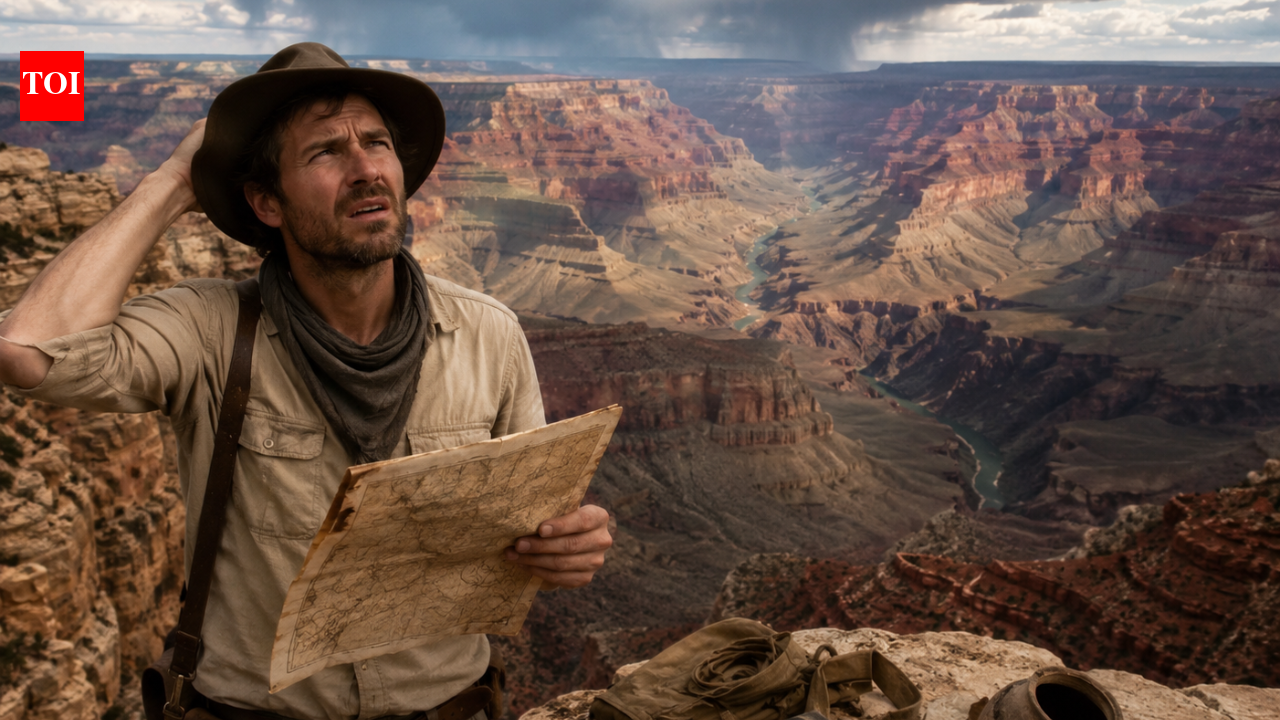
Image: AI Generated The alleged Grand Canyon discovery that sparked decades of speculation Were mummies found in the Grand Canyon by ancient people Why the Grand Canyon mystery still captures the attention of researchers and explorers He entered a remote cave expecting to find little more than geological formations and mineral deposits. Instead, according to one of the most debated stories in American archaeology, the expedition reportedly uncovered ancient artefacts, unusual inscriptions and evidence that appeared to challenge conventional understandings of North American history.The claims were extraordinary. Reports described chambers filled with relics, strange symbols resembling those found in ancient Egypt and artefacts unlike anything previously documented in the region. Yet almost as quickly as the story emerged, it seemed to disappear from public view. Official confirmation never followed, access to the alleged site remained elusive, and generations of researchers have questioned whether the discovery was genuine, exaggerated or entirely fabricated.More than a century later, the tale continues to captivate historians, explorers and conspiracy theorists alike. At the centre of the mystery is a simple question: was something remarkable found deep within the Grand Canyon, or did one of archaeology’s most persistent legends grow from a misunderstanding that took on a life of its own?According to the Shaka Guide, the story dates back to 1909, when an article published in The Arizona Gazette claimed that an explorer named G.E.Kinkaid had discovered a vast cave system within the Grand Canyon.According to the report, the cavern contained numerous chambers carved into the rock, along with statues, weapons, copper tools and what were described as mummies.
The article further claimed that some artefacts appeared to show Egyptian influences, fuelling speculation about ancient transoceanic contact long before European exploration of the Americas.The account quickly drew attention because of the scale of the alleged discovery. If accurate, it would have represented one of the most significant archaeological finds ever reported in North America.Yet problems soon emerged. No independent archaeological records confirmed the existence of the cave. Researchers have never located the site described in the newspaper account, and no verified artefacts matching the report have surfaced in museum collections.The lack of proof has prompted many historians to believe that the story is either exaggerated or wholly made up. Nevertheless, the puzzle has continued for more than a hundred years since there are still certain things about the case that can’t be explained with certainty.One of the most interesting parts of this case concerns the claim that mummies have been found inside the cave.There were claims about the presence of burial chambers with well-preserved bodies and artifacts inside along with various inscriptions. These claims, especially since the artifacts were said to have resembled those of ancient Egyptians, certainly caught a lot of attention.Archaeologists, however, have found no credible evidence supporting these assertions.
 The BriefWire