UK saw the fall of 6 PMs in less than a decade
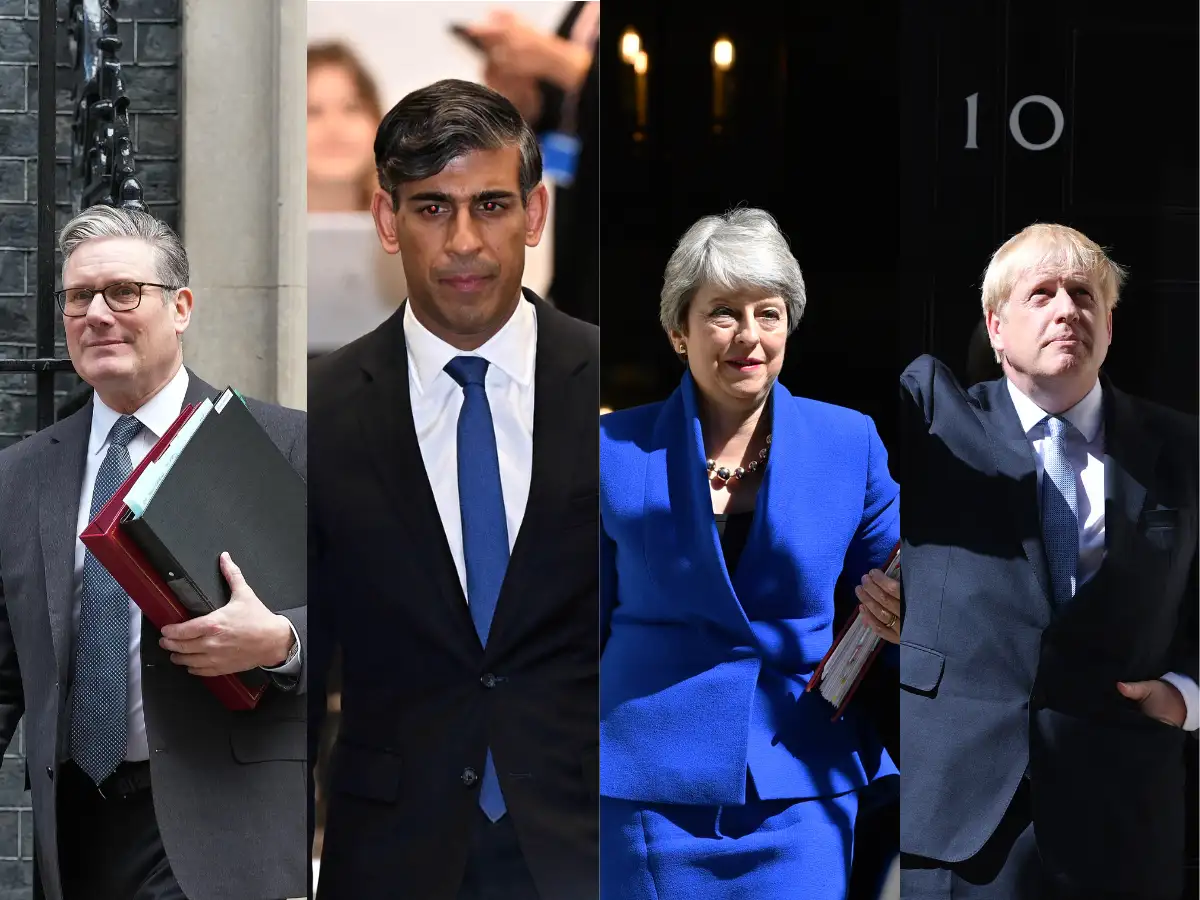
With Keir Starmer announcing his resignation, Britain is preparing for its seventh prime minister in a decade. Since the Brexit referendum in 2016, six prime
With Keir Starmer announcing his resignation, Britain is preparing for its seventh prime minister in a decade. Since the Brexit referendum in 2016, six prime ministers have left office, each brought down by a different combination of political, economic and electoral pressures.The period has seen Brexit negotiations, the Covid-19 pandemic, market turmoil, leadership challenges and general election defeats reshape British politics. No prime minister since David Cameron has completed a full term in office, making the past decade one of the most turbulent periods for leadership changes in recent UK history.The extraordinary turnover means Britain has changed prime ministers almost every 18 months on average over the past decade. No other period in modern British political history has witnessed such rapid leadership change outside wartime.From David Cameron's resignation after losing the Brexit referendum to Starmer's downfall following Labour's internal rebellion, each departure tells the story of a country struggling to navigate one crisis after another.Also Read| Keir Starmer steps down as Labour Party leader, says will remain UK PM until successor chosenDavid Cameron (May 2010 – July 2016)Time in office: 6 years, 2 monthsDavid Cameron triggered the chain of events that would reshape British politics. Seeking to settle divisions within his Conservative Party, he called a referendum on Britain's membership of the European Union.The gamble failed. On June 23, 2016, voters backed Brexit by 52 percent to 48 percent. Cameron, who had campaigned to remain in the EU, concluded that he could not lead the negotiations for a policy he opposed.Less than 24 hours after the result, he announced his resignation.His departure marked the beginning of a decade dominated by Brexit and political instability.Theresa May (July 2016 – July 2019)Time in office: 3 yearsTheresa May inherited one of the most difficult tasks faced by any modern British leader: taking the country out of the European Union while keeping Parliament united.She negotiated a Brexit withdrawal agreement with Brussels, but lawmakers rejected the deal three times.
Hardline Brexit supporters argued it kept Britain too closely tied to Europe, while pro-European MPs believed it would damage the economy.Unable to break the deadlock and facing growing pressure from her own party, May announced her resignation in May 2019.Boris Johnson (July 2019 – September 2022)Time in office: 3 years, 2 monthsBoris Johnson came to power promising to end the Brexit stalemate. He secured a large parliamentary majority and completed Britain's exit from the European Union.However, his premiership became overshadowed by controversy.The most damaging scandal involved reports that parties and social gatherings had taken place inside government buildings while strict COVID-19 restrictions were in force. The "Partygate" affair triggered investigations, fines and widespread public anger.The final blow came when dozens of ministers resigned from his government in July 2022, arguing he could no longer govern effectively. Johnson resigned soon after.Liz Truss (September 2022 – October 2022)Time in office: 49 daysLiz Truss became prime minister promising tax cuts and faster economic growth.Her government unveiled a major package of unfunded tax reductions and borrowing plans known as the "mini-budget." Financial markets reacted sharply. The pound fell, government borrowing costs surged and pension funds faced severe stress.The economic shock rattled investors and Conservative MPs alike.Support for Truss collapsed within weeks. She resigned after just 49 days, becoming the shortest-serving prime minister in British history.Rishi Sunak (October 2022 – July 2024)Time in office: About 1 year, 9 monthsRishi Sunak took over with a promise to restore stability after the Truss crisis.While his government helped calm financial markets and reduce inflation, voters remained frustrated by rising living costs, strained public services and slow economic growth.After months of poor polling, Sunak called a general election in 2024.The Conservatives suffered a historic defeat, ending 14 years in power.
 The BriefWire