Keir Starmer Quits As UK PM Amid Labour Revolt, Sixth Premier Forced Out In 10 Years
Keir Starmer Quits As UK PM Amid Labour Revolt, Sixth Premier Forced Out In 10 Years Published By, Last Updated: June 22, 2026, 14:21 IST
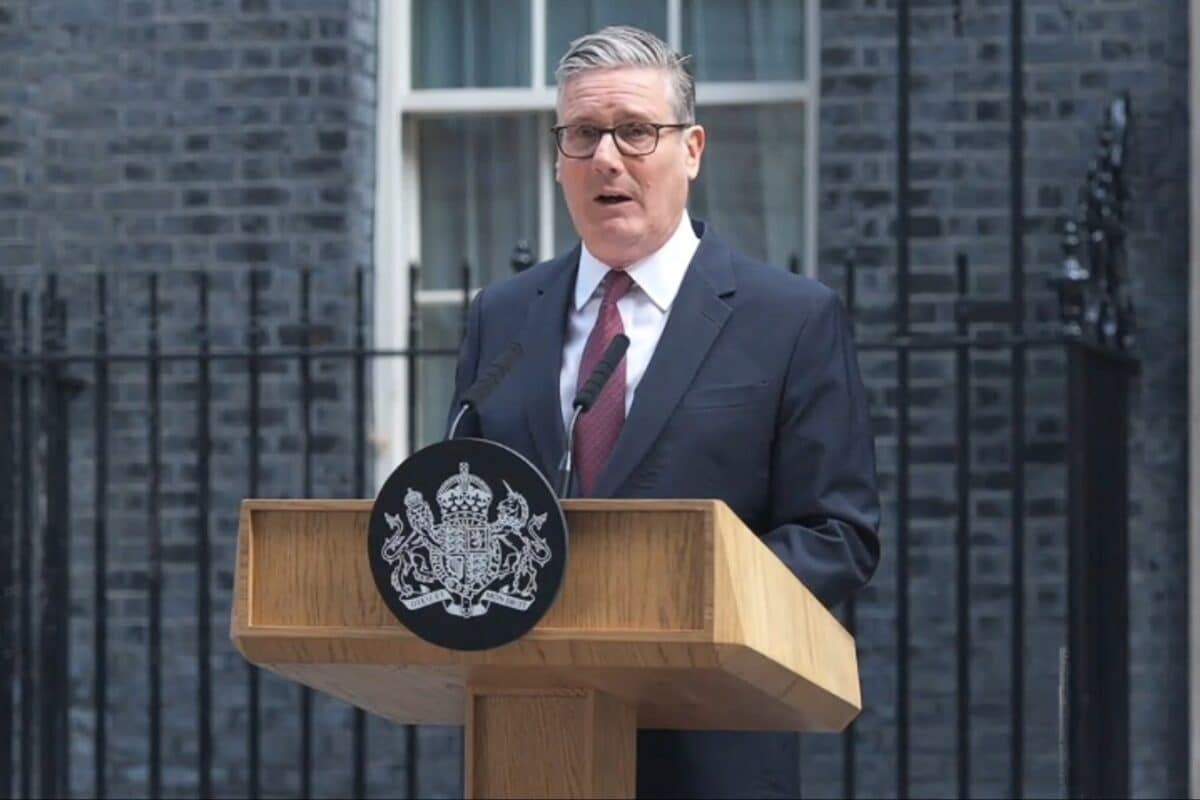
Keir Starmer Quits As UK PM Amid Labour Revolt, Sixth Premier Forced Out In 10 Years Published By, Last Updated: June 22, 2026, 14:21 IST Keir Starmer stepped down as UK Prime Minister after mounting pressure within Labour, saying he had "heard the answer" on whether he should lead the party into the next election. Rapid Read UK Prime Minister Keir Starmer announces resignation (Video screengrab) British Prime Minister Keir Starmer on Monday announced his resignation, bowing to mounting pressure within the Labour Party after months of declining popularity and growing calls for a leadership change. With his departure, Starmer becomes the sixth British Prime Minister in the past 10 years to be forced from office before completing a full term. In a statement delivered outside 10 Downing Street, Starmer said he had listened to concerns within the party and decided to step aside, while remaining in office until a successor is chosen. Reflecting on his tenure as Labour leader and Prime Minister, Starmer defended his record in government and highlighted what he described as major achievements in the economy, workers’ rights and poverty reduction. His departure comes less than two years after leading Labour to a landslide victory in the July 2024 general election, marking a dramatic turn in British politics.
STARMER ANNOUNCES EXIT Addressing the nation, Starmer recalled the challenges he faced when he took over the Labour Party. “Six years ago, I inherited the Labour Party. I was told time and time again that my party is finished. We proved people wrong. We changed our party," he said. Starmer added that “hard work" had transformed the party and helped it pursue a vision of a fairer Britain. “Hard work changed our party. To build a fair country with dignity and respect. Wealth and opportunity for all, not for privileged ones," he said. The outgoing Prime Minister also pointed to his government’s economic record. “We achieved an economy stronger, wages growing faster, investments secured, an end to austerity, the biggest improvement of rights to workers," Starmer said. He further claimed that his administration had lifted “half a million people out of poverty" and ensured that Britain continued standing for “dignity and respect." Starmer acknowledged that questions over his future had increasingly dominated political discussions within Labour. “The question my party is asking now is whether I am best placed to lead us to the next election," he said. “I have heard the answer." Confirming his decision, Starmer declared, “I resign." However, he said he would continue to serve as the Prime Minister during the transition period.
 The BriefWire