After removing 200 bags of waste from a polluted river, UK lawyer now faces prosecution
How the UK lawyer removed 200 bags of waste from a polluted river Wildlife quickly returned after the cleanup Why is the Environment Agency investigating?
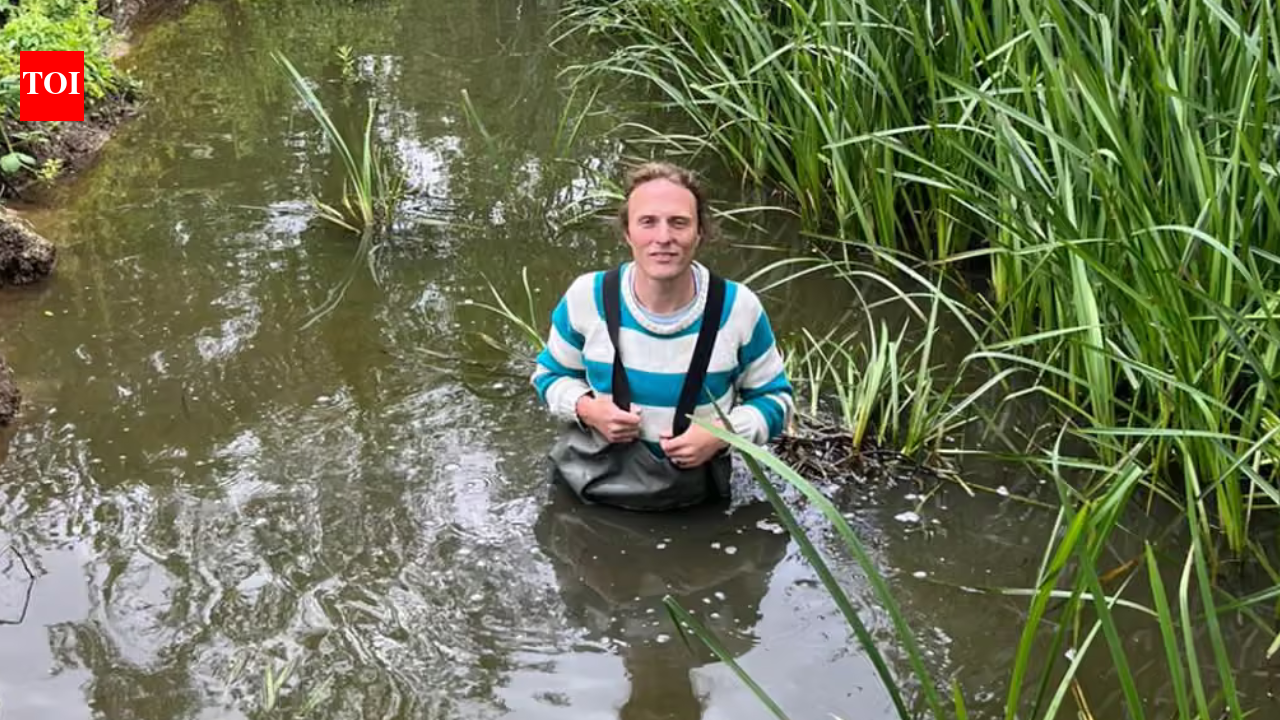
How the UK lawyer removed 200 bags of waste from a polluted river Wildlife quickly returned after the cleanup Why is the Environment Agency investigating? What does Paul Powlesland say? The River Roding faces serious pollution problems What has the Environment Agency said? A wider debate over community-led conservation A UK lawyer and environmental campaigner who spent days helping volunteers clean a neglected river is now facing the possibility of prosecution. Paul Powlesland, founder of the River Roding Trust, led a 10-day effort to remove more than 200 bags of rubbish, weeds and silt from Alders Brook, a tributary of the River Roding in Essex and east London. The cleanup reportedly helped restore water flow and brought back wildlife including fish, dragonflies and birds. However, the Environment Agency has launched an investigation, claiming the work may have breached environmental regulations because it was carried out without the required permits.Paul Powlesland is a barrister, environmental campaigner and founder of the River Roding Trust. He lives on a boat on the River Roding and has spent years campaigning to improve the health of the waterway.According to Powlesland, he repeatedly asked authorities to address pollution and illegal dumping along the river, but little action was taken.
Frustrated by years of inaction, he and a team of volunteers decided to organise a cleanup themselves.Earlier this year, volunteers from the River Roding Trust spent 10 days clearing Alders Brook, a tributary of the River Roding. They removed more than 200 bags of rubbish, branches, weeds and silt from the waterway.The group also tackled invasive Japanese knotweed and restored water flow to sections that had become clogged with sludge and debris. Powlesland said the cleanup was part of a wider volunteer effort that had been taking place over the past five years.According to Powlesland, the restored section of the river soon began showing signs of recovery. Fish, dragonflies, herons and nesting birds were seen returning to the area after years of neglect.Supporters of the project say the cleanup transformed a section of the river that had been heavily affected by pollution, sewage discharges and illegal waste dumping. Images shared by volunteers showed clearer water and improved vegetation along the banks.The Environment Agency has accused the group of carrying out unauthorised work without an environmental permit, which is required under the Environmental Permitting (England and Wales) Regulations 2016.In a letter seen by The Guardian, the agency said unpermitted works had taken place and alleged that dredging had been carried out and waste had been left on the floodplain, potentially creating flood risks.
 The BriefWire